Контакты кнопок «NO» и «NC»: основы работы нормально открытых и нормально закрытых контактов
Контакты NO и NC обеспечивают противоположное поведение системы управления. Цепи запуска, остановки, сброса и сигнализации неисправности зависят от выбора подходящего контактного блока.
Контакт кнопки нормально открытого (NO) типа находится в разомкнутом состоянии в покое и замыкает цепь при нажатии. Контакт кнопки нормально закрытого (NC) типа находится в замкнутом состоянии в покое и размыкается при нажатии. Эти два типа контактов являются основными элементами любой промышленной схемы управления — от логики запуска и остановки двигателя до контуров аварийной остановки. Выбор неправильного типа приводит либо к неработоспособности цепи, либо, в случаях, критичных с точки зрения безопасности, к невозможности надёжного отключения питания оборудования. В данном руководстве объясняются принципы работы механизмов переключения, условные обозначения на схемах по стандарту МЭК, нумерация клемм, критерии выбора, типичные ошибки при подключении, а также информация, необходимая инженерам-проектировщикам и закупщикам OEM-производителей перед тем, как определять спецификации кнопочных контактов NO и NC для панели управления.
Что такое кнопочные контакты NO и NC?
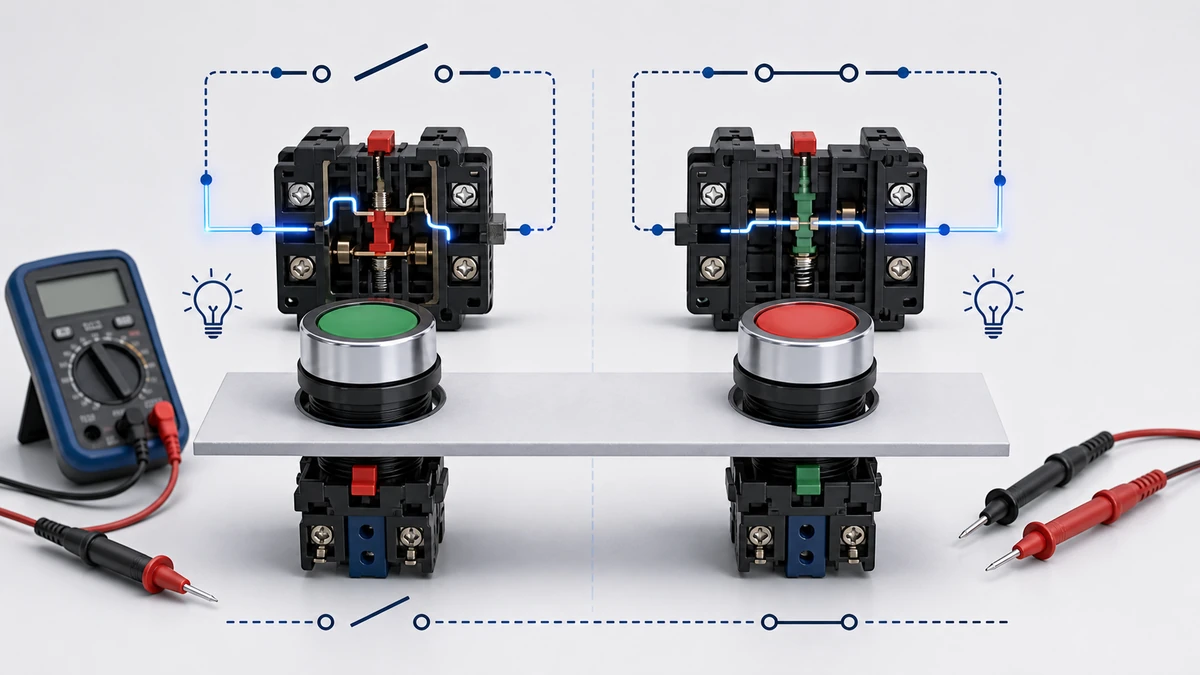
Контактный блок кнопочного переключателя состоит из подвижного проводящего мостика и двух неподвижных контактных площадок. Единственным параметром, определяющим тип контакта, является положение этого мостика в состоянии покоя кнопки.
В нормально разомкнутом контакте мостик физически удерживается в отдельном положении от фиксированных клемм благодаря возвратной пружине. В состоянии покоя ток не протекает. Нажатие на привод приводит к соприкосновению мостика с клеммами, замыкая цепь. Отпускание кнопки позволяет пружине вернуть мостик в разомкнутое положение покоя.
В нормально замкнутом состоянии мостик упирается в обе фиксированные клеммы, обеспечивая непрерывный путь прохождения тока. При нажатии на привод мостик отходит от клемм, размыкая цепь. При отпускании кнопки цепь восстанавливается.
Оба состояния определяются относительно обесточенного, неприведенного в действие положения кнопки. Каждое обозначение NO и NC на схеме или в техническом паспорте производителя описывает состояние контактов до приложения какого-либо усилия к приводу — это исходная конвенция, закрепленная в стандарте IEC 60947-5-1, стандарта, регулирующего устройства низковольтных цепей управления и коммутационные элементы, включая номинальный рабочий ток, замыкающую и размыкающую способность, механическую стойкость и требования к зазору между контактами.
Рисунок 1. Основная концепция выбора контактов кнопочных переключателей типа «NO NC».
Как два типа контактов ведут себя в логике схемы
Понимание механизмов с точки зрения поведения цепи — а не только физического движения — позволяет без труда принять правильное решение при выборе.
Логика нормально открытого контакта
При отсутствии прилагаемого усилия цепь через контакт типа «нормально открытый» (NO) измеряется как разомкнутая. Зазор между контактами в нерабочем состоянии поддерживается на заданном минимальном уровне для обеспечения надёжной изоляции при номинальном напряжении изоляции; точное значение является конструктивным параметром, указанным в техническом паспорте производителя, а не универсальной константой. Когда оператор нажимает кнопку, подвижный мост замыкается на неподвижные контакты, замыкая цепь. Ток протекает только в течение времени активного нажатия кнопки. Отпускание кнопки восстанавливает размыкаемое состояние.
В соответствии с этой логикой «контакты NO» являются стандартным выбором для команд запуска, мгновенных триггеров и импульсных входов — то есть для любых функций, в которых состояние цепи по умолчанию должно быть обесточенным, а прохождение тока требует сознательного действия.
Логика «нормально замкнутого контакта»
Контакт NC меняет логику действия пружины. В состоянии покоя мост находится в постоянном контакте с обеими контактными площадками. Сопротивление контакта в замкнутом состоянии покоя зависит от усилие замыкания, материала контактов и условий эксплуатации; допустимый диапазон для данного контактного блока при его номинальной нагрузке указан в техническом паспорте производителя и должен быть проверен с помощью омметра с низким сопротивлением при вводе в эксплуатацию, а не приниматься за данность на основе общих данных.
Нажатие кнопки приводит к отсоединению моста от клемм, что размыкает цепь. Отпускание кнопки снова замыкает цепь.
Именно благодаря своему поведению при неисправности нормально закрытые (NC) контакты подходят для выполнения функций безопасности. Обрыв провода, отсоединение проводника или выход из строя пружины приводят к тому же результату, что и намеренное нажатие: цепь размыкается, и нагрузка обесточивается. Именно эта присущая им отказоустойчивая характеристика является причиной того, что стандарт IEC 60204-1 — стандарт безопасности машин, регулирующий целостность цепи аварийной остановки — требует использования контактов нормально закрытого типа в цепях аварийной остановки. Обрыв провода не может привести к тому, что машина останется под напряжением, если контакт в состоянии покоя был замкнут.
Узлы кнопок с двумя контактами
Во многих промышленных кнопочных блоках за одной и той же головкой привода установлены как блок контактов нормально открытого (NO), так и блок контактов нормально закрытого (NC) типа. Один ход плунжера приводит в действие оба блока одновременно. Такая конфигурация позволяет одной кнопке запускать одну цепь и останавливать другую одним нажатием — это типичная схема, используемая в блокировках прямого/обратного хода двигателя и в лестничной логике блокировки защитных дверей. Расположение контактных блоков в многоярусном узле соответствует нумерации клемм по стандарту МЭК, подробно описанной в разделе «Подключение» ниже.
Контакты NO и NC: сравнительная таблица для выбора
В приведенной ниже таблице представлены параметры, определяющие, какой тип контакта следует использовать в конкретной позиции цепи.
Параметр
НЕТ контакта
Контакты NC
Состояние покоя
Раскрыто, цепь не работает
Закрыто, цепь активна
Состояние привода
Закрыто, цепь активна
Раскрыто, цепь не работает
Текущее состояние по умолчанию
Ток не протекает
Ток протекает непрерывно
Типичная функция
Запуск, срабатывание, подача питания
Остановка, аварийная остановка, блокировка
Тип отказа
Открывается при выходе из строя пружины
Срабатывает при отрыве пружины или обрыве провода
По своей сути отказоустойчивый?
Нет
Да
Обозначение клемм по стандарту МЭК
13/14, 23/24, 33/34
11/12, 21/22, 31/32
Схематический символ
Расстояние между двумя строками
Косая черта, пересекающая соединенные линии
Категория использования
AC-15 (AC) или DC-13 (DC) в соответствии со стандартом IEC 60947-5-1
AC-15 (AC) или DC-13 (DC) в соответствии со стандартом IEC 60947-5-1
Категория использования является важнейшим параметром при закупке. Категория AC-15 определяет управление электромагнитными нагрузками переменного тока, такими как катушки контакторов. Категория DC-13 определяет управление электромагнитными нагрузками постоянного тока, такими как соленоидные клапаны и катушки реле ПЛК. Энергия дуги при размыкании в цепях DC-13 значительно выше, чем в цепях AC-15 при одинаковых номинальном токе и напряжении — поэтому проверка правильности указания категории использования в техническом паспорте производителя является обязательной, если контактный блок используется на шинах постоянного тока.
Логика отбора на практике
Для команд типа «запуск» — запуск двигателя, подача питания на соленоид, срабатывание входов ПЛК — следует использовать размыкающий контакт. Ток протекает только при нажатии оператором, что снижает риск непреднамеренного замыкания цепи из-за неисправностей в проводке или сварки контактов в замкнутом состоянии.
Для функций остановки или безопасности — остановка двигателя, аварийная остановка, блокировка безопасности — следует использовать контакт «нормально закрытый» (NC). При обрыве проводника или ослаблении зажима цепь переходит в обесточенное, безопасное состояние, а не оставляет нагрузку под напряжением.
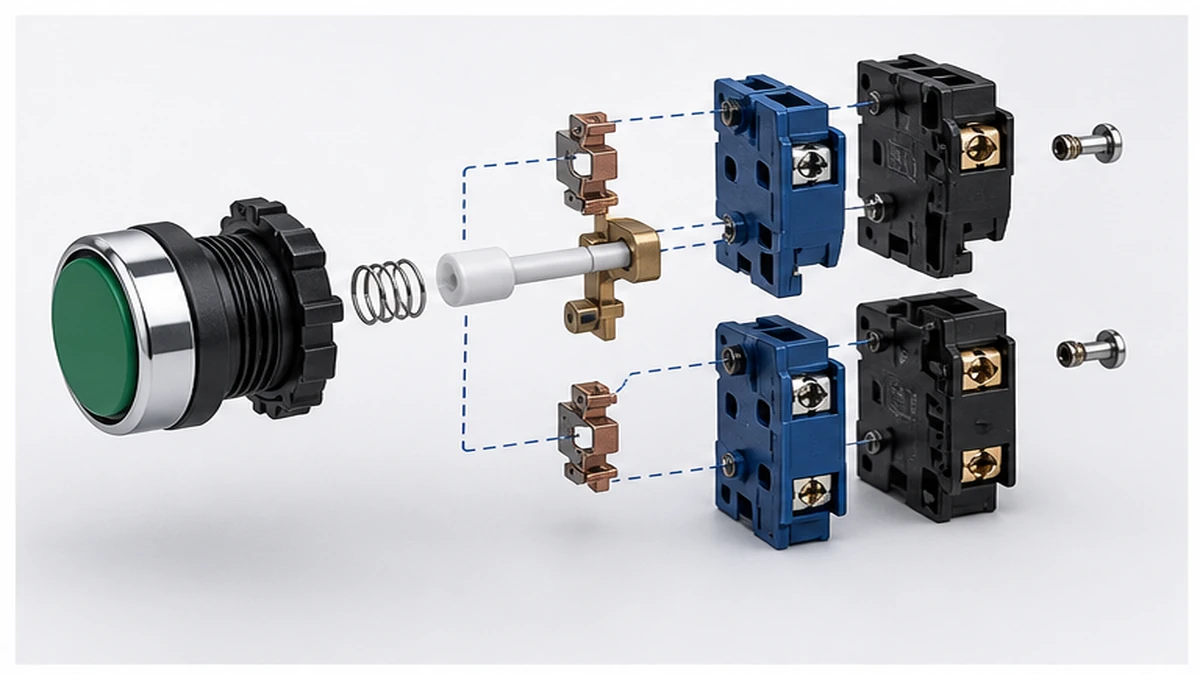
Для применений, в которых требуется одновременное выполнение обеих функций одним приводом, следует выбрать комбинацию контактных блоков 1NO+1NC. Это стандартная опция для кнопочных выключателей серии Shieldhz SH-B2, которая позволяет обойтись без двух отдельных вырезов в панели для реализации полной логики запуска/остановки.
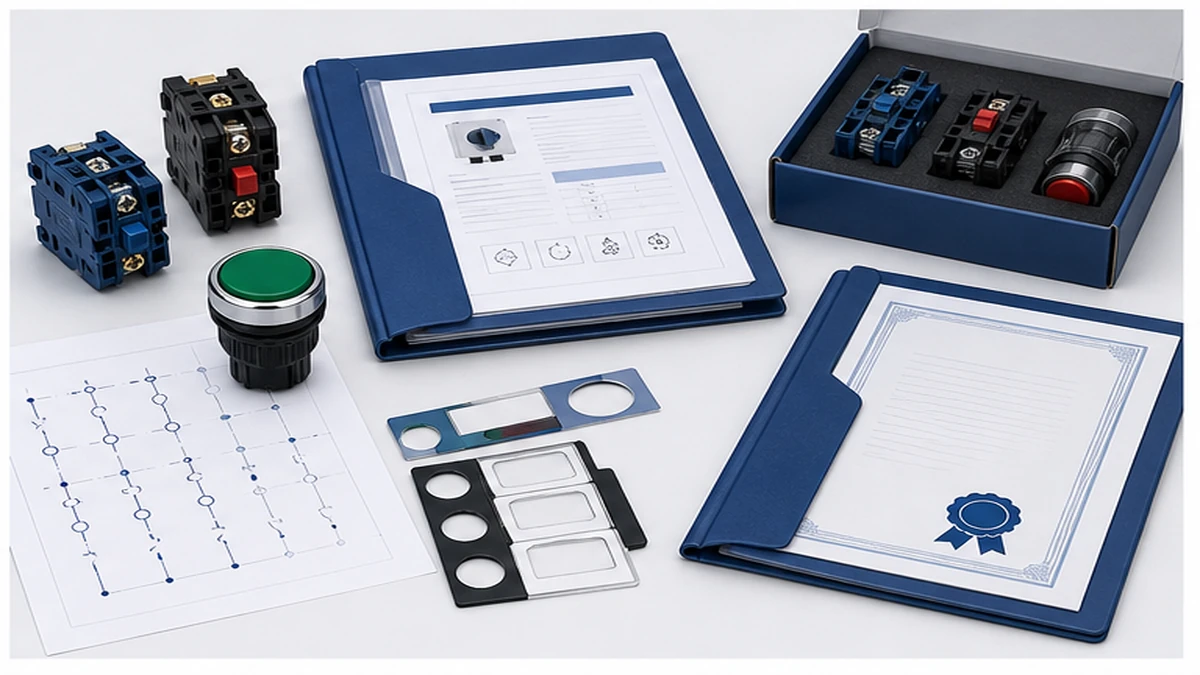
Рисунок 2. При выборе необходимо учитывать размер привода, тип контакта, напряжение лампы, цвет, степень защиты по стандарту IP, размеры выреза в панели и сопроводительную документацию.
Практическое применение NO- и NC-контактов в панелях управления
Вышеизложенная теория обретает практическое значение при соотнесении с конкретными позициями схемных элементов, которые встречаются в схемах промышленных панелей.
Контакты «NO»: запуск двигателя, триггеры конвейера и входы ПЛК
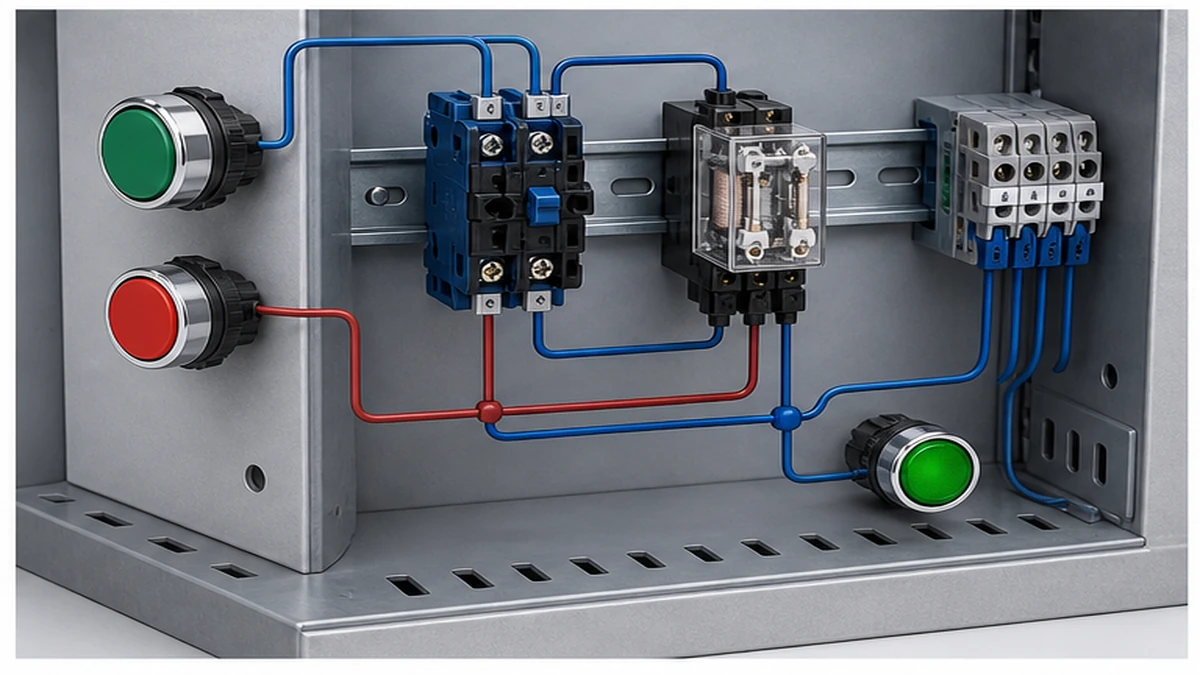
В центре управления двигателем кнопочный выключатель с мгновенным контактом «нормально открытый» (NO) подключается последовательно к цепи катушки контактора. Нажатие кнопки «СТАРТ» замыкает контакт NO, подает питание на катушку, и контактор замыкается. Параллельный вспомогательный контакт NO самого контактора фиксирует цепь, удерживая двигатель в рабочем состоянии после того, как оператор отпустит кнопку запуска. Кнопка пропускает только управляющий ток катушки — как правило, 24 В постоянного тока или 120 В переменного тока при силе тока значительно менее 1 А — но не ток нагрузки двигателя. Низкий уровень энергии означает, что контактный блок может выполнять тысячи циклов работы без образования дуги, характерной для переключений с более высоким уровнем энергии.
В конвейерных системах, упаковочных линиях и насосных станциях контакты NO также используются в концевых выключателях и в положениях селекторных переключателей, где цепь должна оставаться разомкнутой до тех пор, пока не будет выполнено заданное механическое условие.
Контакты NC: команды остановки, аварийные остановки и термосброс
Кнопка аварийной остановки с нормально замкнутым контактом (NC) поддерживает питание катушки контактора за счет постоянно замкнутой цепи. При нажатии кнопки аварийной остановки нормально замкнутый контакт размыкается, напряжение на катушке падает до нуля, и контактор отключается. Стандартные контакторы переменного тока, соответствующие требованиям стандарта IEC 60947-4-1, рассчитаны на отключение в течение определённого временного интервала после размыкания цепи обмотки — точное значение для конкретной модели контактора указано в техническом паспорте данного изделия, а не определяется на основе общего значения. Критически важным свойством с точки зрения безопасности является то, что обрыв провода или неисправное соединение приводят к одинаковому результату: машина останавливается.
Во многих схемах расположения элементов на панели кнопки сброса реле тепловой перегрузки также используют контакты размыкающего типа (NC). Контакт размыкающего типа в цепи сброса позволяет оператору вручную повторно включить катушку контактора только после охлаждения теплового элемента и устранения неисправности, что предотвращает автоматический перезапуск после срабатывания реле из-за перегрузки.
Кнопочные переключатели с двумя контактами и встроенной индикацией
Типичная схема размещения на панели сочетает в себе нормально открытый (NO) контакт для команды запуска и нормально закрытый (NC) контакт для блокировки в случае неисправности, оба из которых расположены за одной кнопкой диаметром 22 мм. Если модуль индикаторных ламп панели встроен в тот же узел привода, нормально закрытый контакт может управлять индикаторной лампой, сигнализирующей об отсутствии питания, в то время как нормально открытый контакт управляет входом перезапуска. Такая конфигурация позволяет уменьшить количество вырезов в панели и разместить всю связанную логику на одной лицевой панели. Перед сборкой необходимо убедиться, что номинальное напряжение модуля индикации соответствует напряжению питания системы управления — несоответствие приводит к незаметному выходу из строя светодиодных модулей, не влияя на работу контактов.
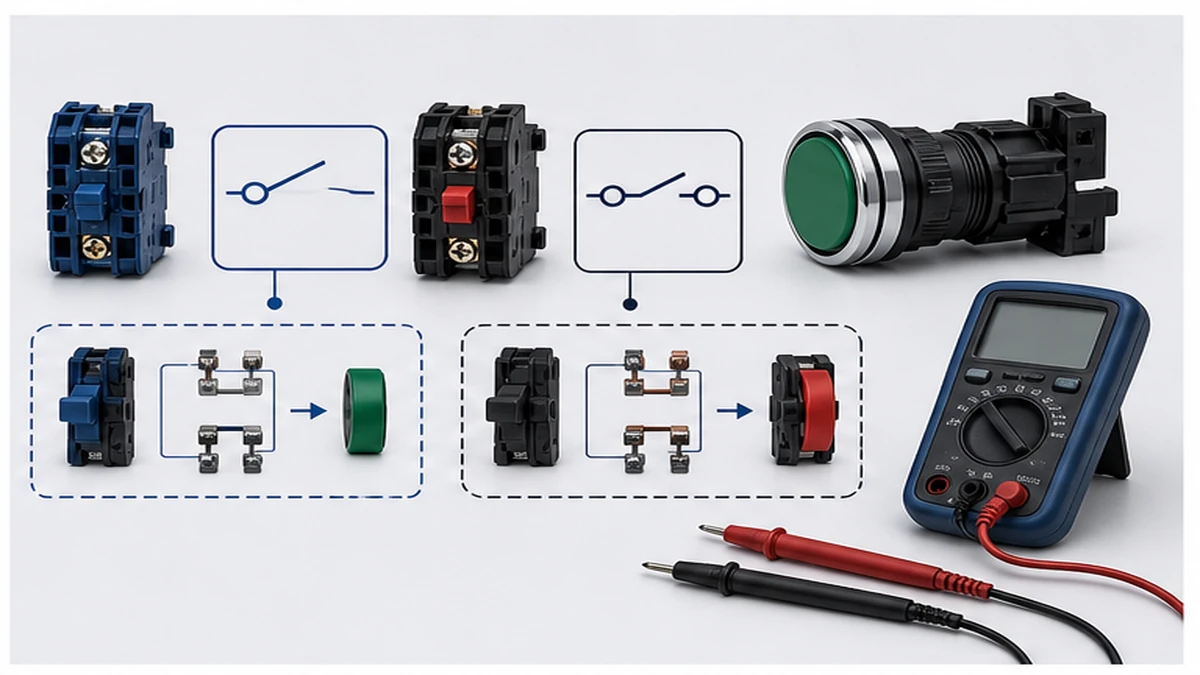
Рисунок 3. Перед подачей напряжения необходимо сверить контекст подключения с контактной схемой производителя.
Как читать схемы подключения кнопок: символы, номера клемм и условные обозначения на схемах
Специалист по сборке панелей должен уметь читать электрическую схему и соотносить её с физическим блоком контактов, прежде чем прикасаться к проводнику. Условные обозначения МЭК, регулирующие символы кнопок и нумерацию клемм, являются едиными для всех производителей, что позволяет читать чертежи разных поставщиков без перевода, как только эти условные обозначения будут поняты.
Символы схем МЭК для контактов NO и NC
В соответствии со стандартом МЭК 60617, стандартные графические символы, используемые в электрических схемах:
Символ «НЕТ контакта»: Две короткие параллельные линии, разделенные заметным зазором, обозначающие размыкание цепи в обесточенном состоянии.
Символ контактов NC: Две короткие параллельные линии, пересекаемые диагональной линией, обозначающие замкнутую цепь в обесточенном состоянии.
Диагональная линия, проходящая через символ NC, служит визуальным указанием на то, что контакт замыкается в состоянии покоя. Все схемы управления, выполненные в соответствии с условными обозначениями стандарта IEC 60617, используют этот набор символов, поэтому тип контакта можно определить по чертежу без обращения к спецификации.
Нумерация клемм по стандарту МЭК для контактных блоков кнопочных переключателей
Стандарт IEC 60947-5-1 определяет стандартизированную схему нумерации клемм, которая исключает неоднозначность при подключении:
Блоки «NO contact»: Пары клемм 13–14, 23–24, 33–34 для последовательных блоков в многоярусной сборке.
Контактные блоки NC: Пары клемм 11–12, 21–22, 31–32 для последовательных блоков.
Цифра десятков обозначает положение контактного блока в стопке, считая от первого блока, расположенного за головкой привода. Цифра единиц обозначает сторону клемм в данном блоке: нечетные номера соответствуют входной стороне (стороне линии), четные — выходной стороне (стороне нагрузки).
Стандартная кнопка диаметром 22 мм, в которой за одной головкой привода установлены один блок NO и один блок NC, имеет с задней стороны четыре вывода: 13 и 14 от блока NO и 11 и 12 от блока NC. Если установлен второй блок NO, его выводы — 23 и 24.
Проверка типа соединения перед подключением
Ошибочное восприятие блока NC как NO — особенно на клеммной паре 11–12 — является одной из наиболее частых ошибок при монтаже панели управления, поскольку номера клемм похожи, а сами блоки с лицевой стороны могут выглядеть одинаково. Перед подключением любого проводника:
Уточните тип схематического символа для каждой пары выводов отдельно.
Сверьте обозначение с номером клеммы — 13/14 должны быть NO, 11/12 должны быть NC.
Сравните физическую маркировку на корпусе контактного блока с обоими вариантами. На многих контактных блоках символ нанесен непосредственно на пластиковый корпус.
Перед подключением проводов проверьте состояние блоков с помощью мультиметра в режиме проверки целостности цепи в состоянии покоя — блоки NO не показывают целостности цепи в состоянии покоя, а блоки NC издают непрерывный звуковой сигнал.
Эта проверка, состоящая из четырёх этапов, занимает менее двух минут на каждый блок и позволяет предотвратить ошибки, приводящие к тому, что цепи включаются при подаче питания без срабатывания автоматического выключателя, но работают с обратной логикой.
Чтобы получить более полное представление о том, как конфигурация контактов взаимодействует с различными типами переключателей, помимо кнопочных переключателей, — в том числе в многопозиционных системах, — см. Ассортимент кнопочных выключателей и Кнопочный выключатель SH-B2 предлагают таблицы схем контактов, составленные в соответствии с теми же правилами нумерации клемм по стандарту МЭК, что является полезным справочным материалом при подборе панели, в которой сочетаются оба типа выключателей. Для получения наглядного объяснения того, как контакты с кулачковым приводом ведут себя в различных положениях выключателя, см. Что такое кнопочный выключатель? В данном техническом руководстве подробно описана последовательность контактов кулачков.
Распространенные ошибки при подключении контактов NO/NC и способы их предотвращения
Даже опытные сборщики панелей допускают ошибки при подключении контактов NO/NC. Поскольку в результате такой ошибки часто получается цепь, которая включается при подаче питания, но не вызывает срабатывания автоматического выключателя, ошибки могут оставаться незамеченными до тех пор, пока не произойдет непреднамеренное движение оборудования или не сработает функция безопасности.
Наиболее распространенные ошибки относятся к предсказуемому набору, и с помощью систематического контрольного списка большинство из них удается устранить ещё до первого включения питания.
Контрольный список для проверки предварительной прокладки кабелей
Перед подключением любого проводника к контактной колодке кнопочного выключателя:
Уточните тип контакта по символу на схеме: Контакты NO обозначаются пробелом между линиями; контакты NC — диагональю, проходящей через соединенные линии. Соотнесите символ с функцией цепи: команды запуска используют контакты NO, а команды остановки и аварийной остановки — контакты NC.
Проверьте номера терминалов: Убедитесь, что провода подключены к клеммам с правильными номерами в соответствии с требованиями МЭК. Не полагайтесь исключительно на цвет проводов при определении типа контактов.
Определите общие выводы: В некоторых узлах кнопочных переключателей общий вывод используется как для блока контактов NO, так и для блока контактов NC. Неправильная идентификация общего вывода приводит к тому, что один из типов контактов остается постоянно замкнутым или постоянно разомкнутым независимо от состояния кнопки.
Уточните категорию использования в техническом паспорте: Контактный блок, маркированный только как AC-15, не подтвержден для цепей DC-13. Для шин питания ПЛК на 24 В постоянного тока или управления электромагнитными клапанами номинальные параметры DC-13 должны быть явно указаны в техническом паспорте производителя.
Контрольный список для проверки целостности цепей после прокладки кабелей
После подключения всех проводников и перед подачей управляющего напряжения:
НЕТ контакта, кнопка отпущена: Проводимость отсутствует. Проводимость в состоянии покоя означает, что проводник подключен к клемме нормально закрытого типа.
Контакт NC, кнопка отпущена: Должна быть цепь. Отсутствие цепи в состоянии покоя означает, что проводник подключен к клемме «NO» или что сам контактный блок размыкается из-за повреждения или неправильной сборки.
Проверка состояния привода: Нажмите и удерживайте кнопку во время проверки. При блоках «NO» должен раздаваться звуковой сигнал. При блоках «NC» звук должен исчезнуть. Обе проверки должны пройти успешно, чтобы цепь считалась правильно подключенной.
Проверка поведения с использованием инвертированной логики: В работе панели управления нагрузка, которая включается при отпускании кнопки, а не при её нажатии, является наиболее очевидным признаком перепутывания контактов NO/NC. Немедленно отключите питание, повторно проверьте нумерацию клемм и исправьте ошибку перед повторным включением питания.
Проверка целостности системы блокировки: В схемах запуска и остановки двигателя случайная установка двух нормально открытых (NO) контактов вместо одного нормально закрытого (NC) блокирующего контакта приводит к полной потере электрической блокировки. Проверка работоспособности при номинальном управляющем напряжении с отключенным двигателем является надежным способом выявления этой неисправности до ввода в эксплуатацию.
В цепях аварийной остановки, где переключение контактов создает непосредственную угрозу безопасности, перед входом персонала в опасную зону необходимо провести функциональное испытание при номинальном управляющем напряжении. Требования к рабочим характеристикам и ресурсу контактов, применимые к кнопочным выключателям в цепях управления, связанных с безопасностью, определены в Стандарт IEC 60947-5-1, опубликованный МЭК.
Рисунок 4. Полный запрос должен включать номинал, последовательность контактов, монтаж, корпус и требования к документам.
Как компания Shieldhz проверяет конфигурацию NO- и NC-контактов при заказе кнопок
Shieldhz — экспортный бренд компании «Zhejiang Shihe Electric Co., Ltd.», основанной в 2014 году и расположенной в городе Юэцин (провинция Чжэцзян) — регионе, где сосредоточено производство низковольтных электрических компонентов. Компания располагает заводом площадью более 5 000 м² с штатом более 100 сотрудников и парком из более чем 40 производственных и испытательных станков. Продукция сертифицирована по стандартам ISO 9001, CE, RoHS, CCC, CB, TUV, UL и UKCA, где это применимо; наличие сертификатов, необходимых для конкретного продукта и рынка сбыта, подтверждается для каждой модели и каждого заказа отдельно, а не считается универсальным.
Указание конфигурации контактов для заказа кнопочного переключателя не является выбором по умолчанию — это обязательный параметр, от которого зависят все последующие этапы монтажа и обеспечение безопасности в распределительном щите. Компания Shieldhz рассматривает его как обязательный параметр заказа, а не как допущение.
Что проверяет Shieldhz перед запуском в производство
Когда покупатель отправляет запрос на кнопки серии SH-B2 или другие модели из ассортимента кнопок, стандартная процедура компании Shieldhz предусматривает сбор следующих данных перед подтверждением программы контактов:
Настройки контактов: Независимо от того, требуется ли для данного применения 1 NO, 1 NC или 1 NO + 1 NC на каждое положение привода. Если покупатель предоставит схему электрической цепи или компоновку панели, компания Shieldhz сможет перед запуском в производство проверить, соответствует ли указанная схема замыкания логике, изображенной на чертеже, — что позволит избежать несоответствий логических состояний, таких как подключение блока 1 NC к положению команды запуска.
Номинальное напряжение и ток: Рабочее напряжение, номинальный рабочий ток и категория использования (AC-15 для электромагнитных нагрузок переменного тока, DC-13 для электромагнитных нагрузок постоянного тока) должны соответствовать номинальным характеристикам контактного блока, указанным в техническом паспорте изделия. Покупателям, планирующим использовать ПЛК на шине 24 В постоянного тока, рекомендуется явно подтвердить соответствие требованию DC-13.
Тип привода: Конфигурация — мгновенная (возврат в исходное положение при отпускании) или фиксированная (сохранение положения) — определяет механическое поведение контактного блока в цепи. Это уточняется на этапе запроса с учетом описания области применения.
Требования к классу защиты по IP: Серия SH-B2 представлена как стандартными вариантами для монтажа в панель, так и герметичными вариантами с классом защиты IP67; конкретный класс защиты IP должен соответствовать условиям эксплуатации корпуса, указанным в технических характеристиках панели. Компания Shieldhz подтверждает соответствие класса защиты IP требованиям к защите корпуса от проникновения посторонних веществ, указанным заказчиком.
Пакет сертификатов и документации: Требуемый тип сертификата (CE, CCC, UL, CB, UKCA или их комбинации) и любые требования к сопроводительной документации — электрические схемы, чертежи с размерами, протоколы испытаний — уточняются при оформлении заказа. Покупателям, заказывающим оборудование для рынков, подпадающих под регулирование, или для экспортных рынков, рекомендуется указывать требования к документации на этапе запроса, а не после завершения производства.
Поставка схемы подключения и таблицы контактов: Компания Shieldhz предоставляет схемы подключения и таблицы контактов для подтвержденных конфигураций в составе стандартного пакета документации. Для панелей с несколькими кнопками, требующих наличия функций запуска и остановки на всех сопоставленных узлах «привод-блок», по запросу предоставляется полная таблица схемы подключения, охватывающая все положения на панели.
Производители панелей, закупщики-OEM и инженеры по закупкам, работающие с Кнопочный выключатель SH-B2 Вы можете указать номинальную нагрузку, количество полюсов, комбинацию контактов, категорию использования и требования к степени защиты корпуса (IP), чтобы получить техническое описание и коммерческое предложение с учетом конкретной конфигурации. Предоставление схемы цепи на этапе запроса сокращает количество циклов согласования и является рекомендуемой практикой при заказе многопозиционных панелей.
Для приложений, в которых функция переключения выходит за рамки кнопочных переключателей и включает многопозиционное управление — например, панели переключения источников питания или выбор направления вращения двигателя — Металлический кнопочный выключатель GQ и Основы стандарта IEC 60947-5-1 «Кнопочные переключатели» использовать ту же схему подключения и те же правила нумерации клемм, что обеспечит единообразный подход к документированию всего набора выключателей на панели.
Часто задаваемые вопросы
В чём заключается разница между нормально открытым и нормально закрытым контактом кнопки?
Контакт кнопки, находящийся в нормально разомкнутом состоянии, в покое не пропускает ток и замыкает цепь только при нажатии кнопки. Контакт кнопки, находящийся в нормально замкнутом состоянии, в покое непрерывно пропускает ток и размыкает цепь при нажатии. Это различие определяет, инициирует ли кнопка действие цепи или прерывает его, и оно должно соответствовать функциональным требованиям конкретного положения цепи до начала любого монтажа.
Почему кнопки аварийной остановки должны иметь нормально замкнутые контакты?
Подключение кнопки аварийной остановки в режиме «нормально замкнутый» означает, что любое прерывание цепи — нажатие кнопки, обрыв проводника, отсоединение клеммы или неисправность контактной пружины — приводит к размыканию цепи и отключению питания управляемого оборудования. Такое отказоустойчивое поведение требуется стандартом IEC 60204-1, поскольку оно гарантирует, что машина не сможет оставаться под напряжением при неисправности в проводке. Аварийная остановка типа «нормально разомкнутый» (NO), подключенная в обратном порядке, привела бы к продолжению работы машины в случае обрыва проводника, что является недопустимым с точки зрения безопасности.
Может ли одна кнопка одновременно обеспечивать работу как нормально открытых (NO), так и нормально закрытых (NC) контактов?
Да. Кнопочные узлы с двухконтактными блоками имеют блоки «нормально открытый» (NO) и «нормально закрытый» (NC), установленные за одной и той же головкой привода. Один ход плунжера приводит в действие оба блока одновременно, что позволяет одной кнопке замыкать одну цепь и размыкать другую одним нажатием. Это стандартная конфигурация для блокировок пуска/останова двигателя и схем безопасности дверей, где оба действия должны быть механически связаны.
Как определить выводы NO и NC на кнопке без схемы?
Установите мультиметр в режим проверки целостности цепи и проверьте каждую пару клемм, когда кнопка находится в полностью свободном положении и устройство не подключено к источнику питания. Пара, при которой в состоянии покоя раздается непрерывный звуковой сигнал, является нормально замкнутым контактом. Пара, которая не подает сигнала в состоянии покоя и издает звуковой сигнал только при удерживании кнопки, является нормально разомкнутым контактом. После определения типа контакта с помощью теста сопоставьте результат с нумерацией клемм по стандарту IEC: 11/12 должны быть первым блоком NC, 13/14 — первым блоком NO. Несоответствие между результатом проверки и номером клеммы указывает на ошибку в проводке или на нестандартный контактный блок, что требует подтверждения по техническому паспорту.
Какой стандарт МЭК регулирует номинальные характеристики кнопок и требования к их эксплуатационным характеристикам?
Стандарт IEC 60947-5-1 регулирует устройства низковольтных цепей управления и коммутационные элементы. В нём определены номинальный рабочий ток, замыкающая и размыкающая способность, механическая прочность, требования к зазору между контактами, а также категории использования кнопочных выключателей, применяемых в промышленных панелях управления. Это основной стандарт, на который следует опираться при оценке заявленных характеристик контактных блоков на соответствие требованиям конкретных условий эксплуатации.
Что означают номера клемм IEC 13/14 и 11/12 на контактном блоке кнопки?
Эти обозначения соответствуют системе нумерации клемм, приведенной в стандарте IEC 60947-5-1. Цифра десятков указывает на положение контактного блока в многоярусном узле — первый блок занимает положение 1, поэтому для этой позиции цифра десятков равна 1. Разряд единиц указывает, какой именно клеммный блок: нечётные номера (1 и 3) относятся к входной или сетевой стороне; чётные номера (2 и 4) — к выходной или нагрузочной стороне. Таким образом, пара клемм 13–14 представляет собой первый блок NO (цифра десятков 1 = первая позиция, цифры единиц 3 и 4 = пара NO). Пара клемм 11–12 представляет собой первый блок NC (цифра десятков 1 = первая позиция, цифры единиц 1 и 2 = пара NC).
Что произойдет, если нормально открытый контакт случайно подключить там, где требуется нормально закрытый контакт?
Схема работает по обратной логике. Нагрузка будет отключена в состоянии покоя и включаться только при удерживании кнопки, а не находиться в включенном состоянии до тех пор, пока кнопка не будет нажата. В положении «остановка двигателя» это означает, что нажатие кнопки остановки не размыкает цепь — оно на мгновение прерывает цепь и восстанавливает её при отпускании, что не оказывает влияния на контактор с фиксацией. В положении «аварийная остановка» такая инверсия означает, что машину невозможно обесточить нажатием кнопки аварийной остановки, что представляет прямую угрозу безопасности. Любое перепутывание контактов «нормально открытых» (NO) и «нормально закрытых» (NC) в цепи остановки или безопасности требует немедленного исправления и полного функционального тестирования при номинальном управляющем напряжении, прежде чем панель будет вновь введена в эксплуатацию.
Ши, Мукси
Ши, Мукси пишет технические статьи Shieldhz для покупателей промышленных систем управления и электрических компонентов, охватывая поворотные кулачковые переключатели, разъединители, PV DC разъединители, кнопки, индикаторные лампы, водонепроницаемые корпуса и клеммные блоки. Статьи основаны на опыте производства и экспорта компании Zhejiang Shihe Electric Co., Ltd., с практическим акцентом на выборе модели, технических характеристиках, чертежах, сертификации, рейтингах IP и деталях запроса, которые покупатели должны подтвердить перед заказом.