ما هو صندوق العازل المقاوم للماء؟ الضميمات وتقييمات IP ومسارات التبديل
يُعتبر صندوق العزل المقاوم للماء إما معطلاً أو سليمًا باعتباره وحدة كاملة، وليس مجرد مفتاح داخل غلاف بلاستيكي. ويُعد إحكام إغلاق الكابل جزءًا من التصنيف.
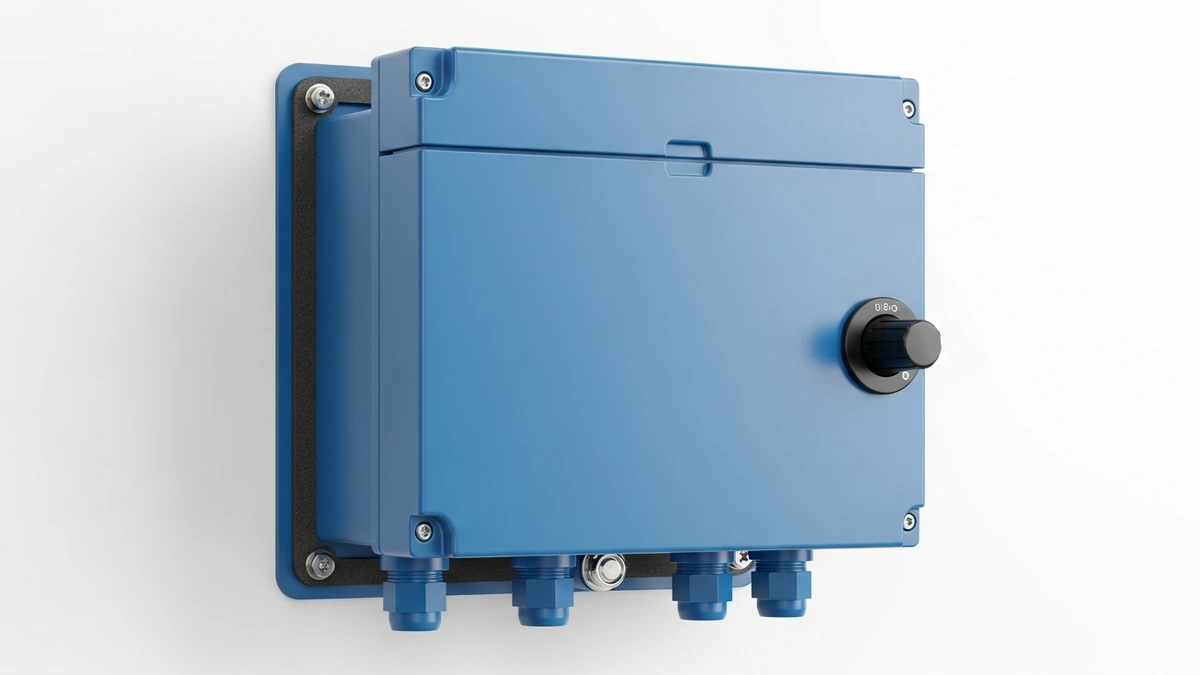
إذا سبق لك أن تتبعت عطلًا ما إلى عازل متآكل داخل حاوية مغمورة بالمياه، فأنت تفهم بالفعل سبب أهمية الصندوق بقدر أهمية المفتاح الموجود بداخله. صندوق العازل المقاوم للماء عبارة عن ضميمة محكمة الغلق تضم مفتاح أو أكثر من مفاتيح العزل وتحميها من دخول الماء والغبار والتعرض للأشعة فوق البنفسجية والتلف الميكانيكي. يتم استخدامه في أي مكان تحتاج فيه الدائرة إلى نقطة فصل آمنة يسهل الوصول إليها في بيئة لا يمكن للحاوية الداخلية القياسية التعامل معها.
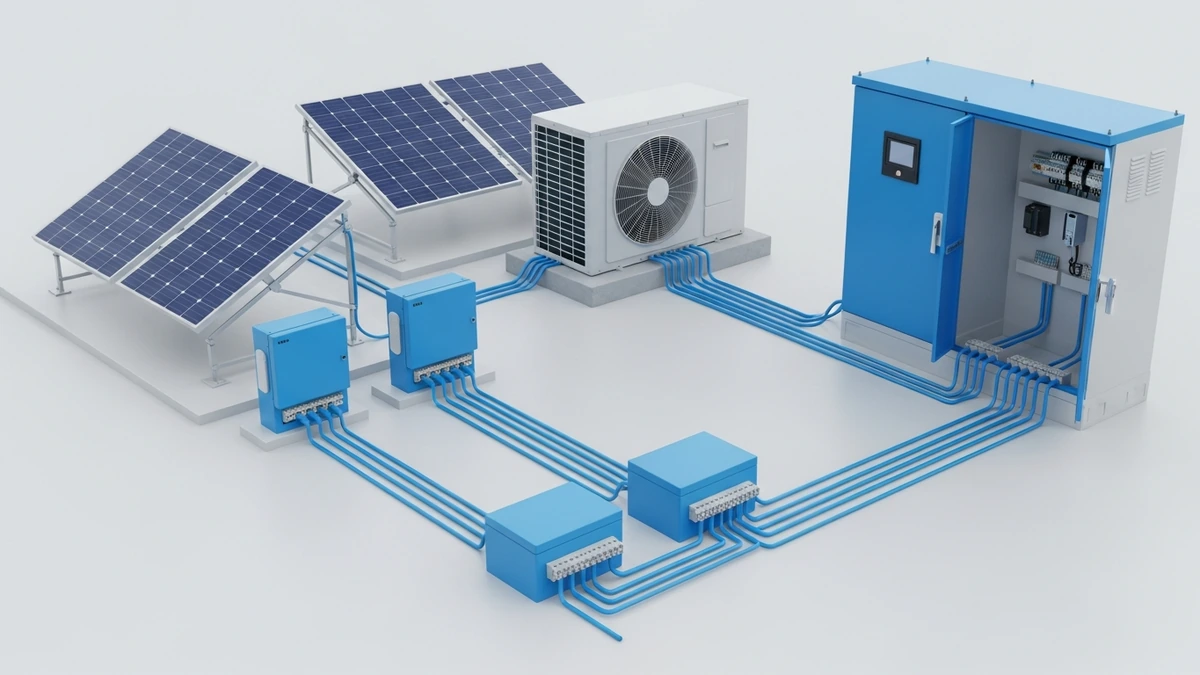
تشرح هذه المقالة ما هي هذه الضميمة، وكيف تعمل تصنيفات IP عمليًا، وما الذي يجعل الضميمة نظامًا كاملاً وليس مجرد غلاف بلاستيكي، وكيفية اختيار التكوين المناسب لمصفوفات الطاقة الشمسية ومحطة التدفئة والتهوية وتكييف الهواء والتبريد والتكييف والتوزيع الخارجي والتطبيقات المماثلة.
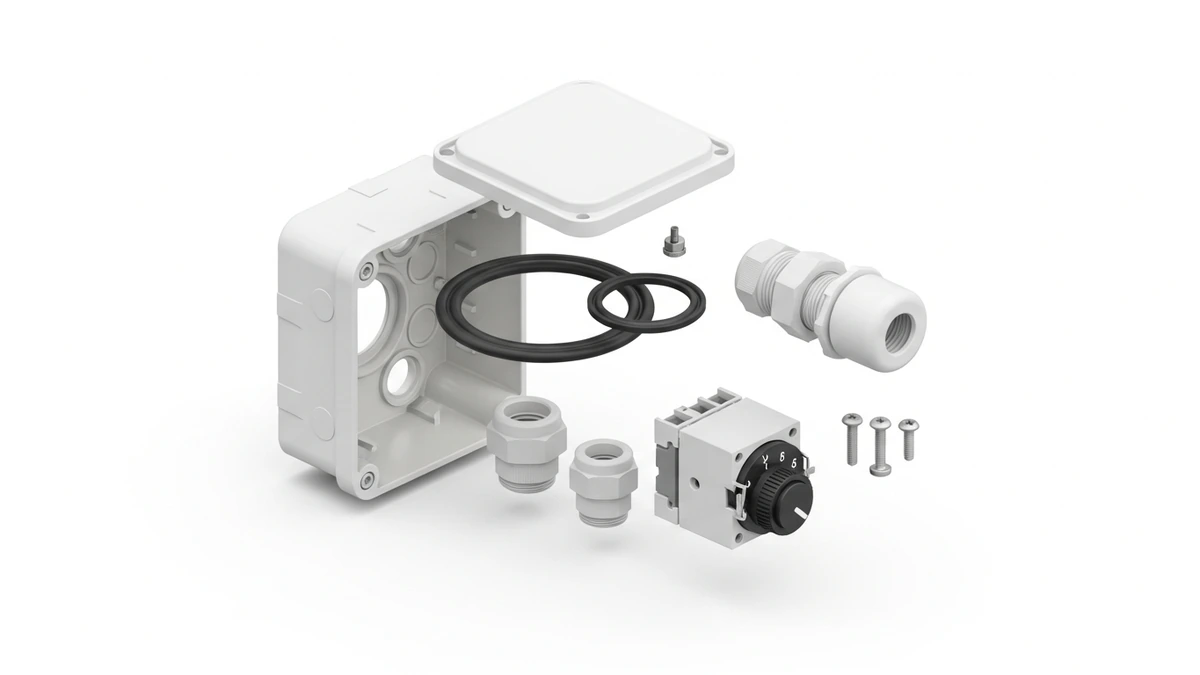
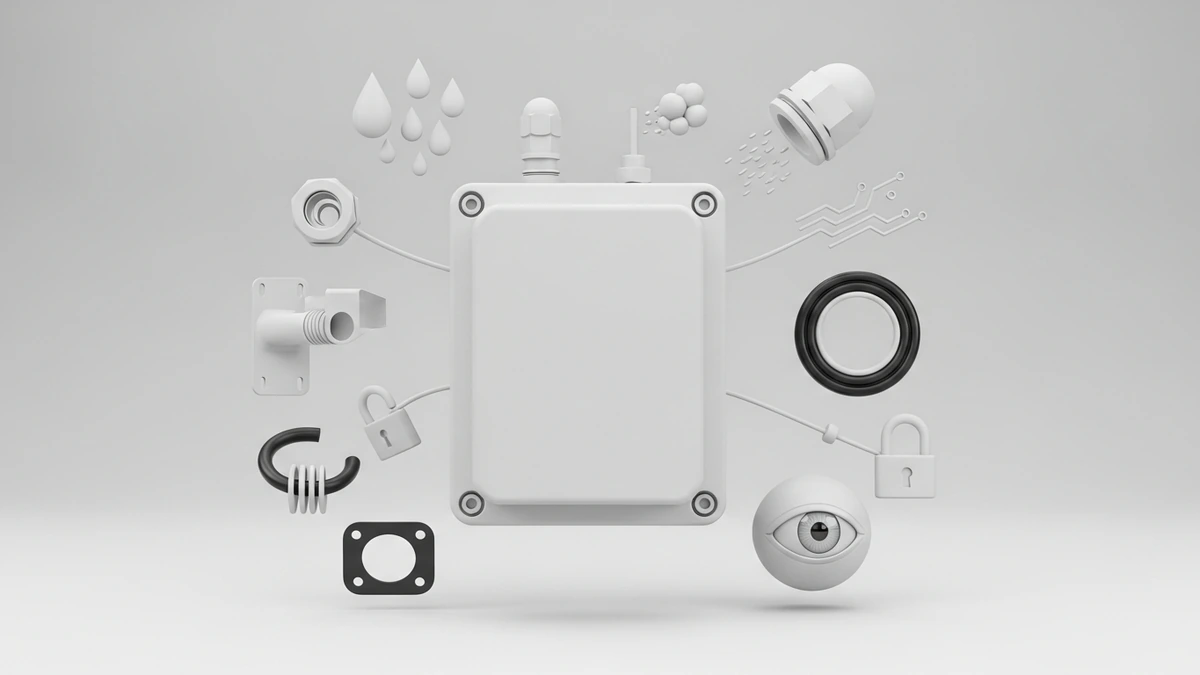
يجب أن تعمل الضميمة، والحشية، وغدد الكابلات، والتركيب، وجسم المفتاح معًا للحفاظ على الحماية.
ما الذي يفعله صندوق العازل المقاوم للماء في الواقع
يخدم صندوق العازل وظيفتين في آن واحد. أولاً، يمنح مفتاح العزل نقطة تركيب مع خلوص كهربائي محدد وحماية ميكانيكية. وثانياً، يخلق بيئة محكومة حول أطراف التوصيل الحية بحيث لا تصل إليها الرطوبة والتكثيف والحشرات والملوثات المحمولة جواً.
في التركيبات الخارجية أو في المناطق الرطبة لا تكون الضميمة حاوية غير نشطة. إنها جزء نشط من نظام الحماية. تدير الضميمة عالية الجودة:
دخول الجسيمات السائلة والصلبة من خلال مانع التسرب المصنف IP
التمدد والانكماش الحراري من خلال اختيار المواد وتصميم الحشية
سلامة دخول الكابل من خلال غدد الكابلات ذات المقاس الصحيح والمشدودة بشكل صحيح
التحلل من الأشعة فوق البنفسجية من خلال البولي كربونات المثبتة أو البولي غارنيتات الخضراء
التكثيف من خلال أحكام التصريف أو فتحات التهوية
متطلبات العبث وإغلاق القفل والإغلاق من خلال أحكام القفل أو المقابض الجاهزة للقفل
قم بإزالة أي من هذه العناصر ويمكن أن تتعطل الضميمة حتى لو كان تصنيف IP الموجود على الملصق صحيحًا.
يرمز IP إلى الحماية من الدخول. يتم تعريف التصنيف حسب IEC 60529, وهي المواصفة القياسية الدولية التي تحدد طرق الاختبار ومستويات الأداء للحاويات التي تحمي المعدات الكهربائية من الجسيمات الصلبة والسوائل.
يحمل كل رقمين بعد “IP” معنى محدداً.
الرقم الأول - الحماية من الجسيمات الصلبة (من 0 إلى 6)
الرقم الأول
مستوى الحماية
0
لا توجد حماية
4
محمية ضد الأجسام الصلبة 1 مم وأكبر
5
محمية من الغبار - لم يتم منع دخول الغبار بشكل كامل ولكن ليس بما يكفي للتدخل في التشغيل
6
محكم الغبار - لا يوجد دخول للغبار في ظروف الاختبار
بالنسبة للحاويات العازلة المستخدمة في الهواء الطلق أو في غرف المنشآت الصناعية، فإن الرقم الأول من 6 هو الحد الأدنى العملي. يتسبب الغبار الذي يصل إلى المحطات الطرفية الحية في حدوث أعطال في التتبع ويسرع التآكل.
الرقم الثاني - حماية السائل (من 0 إلى 9)
الرقم الثاني
مستوى الحماية
الاختبار النموذجي
4
رش الماء من أي اتجاه
رذاذ متذبذب
5
نفاثات مياه من أي اتجاه
فوهة 6.3 مم، 12.5 لتر/دقيقة
6
نفاثات مياه قوية
فوهة 12.5 مم، 100 لتر/دقيقة
7
غمر مؤقت حتى عمق 1 متر لمدة 30 دقيقة
الغمر الساكن
8
غمر مستمر يتجاوز 1 م
متفق عليه بين الشركة المصنعة والمستخدم
ما الذي لا تخبرك به تقييمات IP
تصنيفات IP هي نتائج اختبار، وليست ضمانات للأداء الميداني. يتم إجراء الاختبار على حاوية جديدة في ظروف مختبرية خاضعة للرقابة. في الميدان، هناك عدة عوامل يمكن أن تقلل من الحماية الفعالة:
تخلق غدد الكابلات ذات الحجم غير المناسب لقطر الكابل فجوات تؤدي إلى تجاوز مانع تسرب الكابل بالكامل
تفقد الحشيات التي لا يعاد تركيبها بشكل صحيح بعد الصيانة مانع الانضغاط
يمكن أن يؤدي التعرض للأشعة فوق البنفسجية على مدار عدة سنوات إلى تقصف الأغطية المصنوعة من البولي كربونات والتسبب في حدوث تشققات دقيقة
يؤدي التدوير الحراري إلى تمدد جسم الضميمة وتقلصه، مما قد يؤدي إلى تفكك الحشية سيئة التصميم بمرور الوقت
يؤثر اتجاه التركيب على التصريف؛ فالحاوية المصممة للتصريف إلى الأسفل سوف تتجمع فيها المياه إذا تم تركيبها بالمقلوب
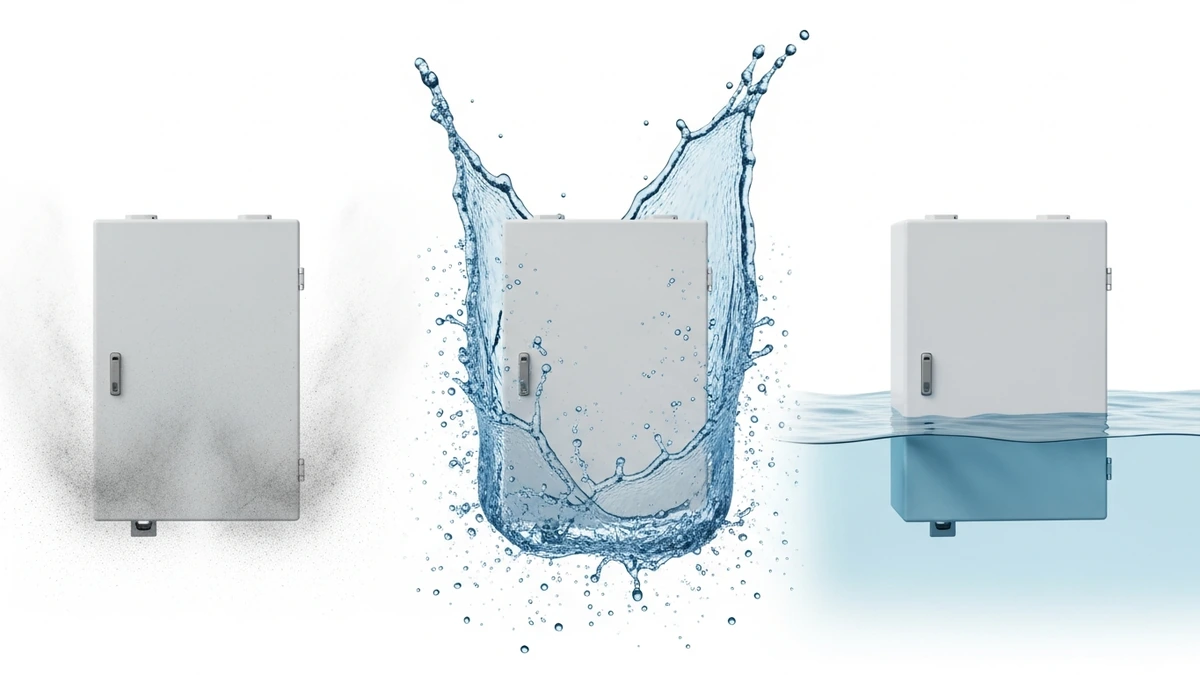
IP65 يعني أن الضميمة اجتازت اختبار إحكام الغبار واختبار نفث الماء المستمر. يستخدم IP66 نفاثة أكثر قوة. يضيف IP67 اختبار غمر مؤقت. بالنسبة لمعظم تطبيقات العوازل الخارجية - الطاقة الشمسية على الأسطح، وأسطح محطات التدفئة والتهوية وتكييف الهواء، ولوحات المفاتيح الخارجية - فإن IP65 أو IP66 هي المواصفات القياسية. يعتبر IP67 مناسبًا عندما تكون الضميمة في المياه الراكدة، مثل التركيبات على مستوى الأرض في المناطق المعرضة للفيضانات.
تصف تصنيفات IP الحماية المختبرة ضد الغبار أو نفاثات الماء أو الغمر المؤقت في ظروف محددة.
الضميمة كنظام
إن تحديد الصندوق المصنف IP هو نقطة البداية وليس خط النهاية. فالصندوق العازل المقاوم للماء المركب بشكل صحيح هو نظام يحتوي على عدة مكونات مترابطة.
هيكل الضميمة والغطاء
البولي كربونات هي المادة الأكثر شيوعًا للحاويات العازلة الأصغر حجمًا. وهو مقاوم للصدمات وشفاف أو شفاف أو شفاف (يسمح بالفحص البصري دون فتحه)، ويمكن تثبيته بالأشعة فوق البنفسجية للاستخدام الخارجي. يُستخدم البوليستر المقوى بالزجاج (GRP) للحاويات الأكبر حجمًا وفي البيئات المسببة للتآكل مثل المواقع الساحلية أو المصانع الكيميائية. يتم تحديد الفولاذ المقاوم للصدأ حيثما تكون إساءة الاستخدام الميكانيكية أو التخريب مصدر قلق.
مفصل الغطاء إلى الجسم هو المكان الذي تحدث فيه معظم حالات فشل الدخول. يجب أن تستقر حشية الضغط المستمر - عادةً ما تكون من مادة EPDM أو السيليكون - بالتساوي حول المحيط بالكامل. تقوم العبوات المزودة بمثبتات غطاء متعددة بتوزيع قوة التشبيك بالتساوي أكثر من تصميمات المزلاج الواحد.
غدد الكابلات
كل مدخل كابل هو نقطة دخول محتملة. ويجب أن تكون غدد الكابلات:
مصنفة بنفس مستوى IP على الأقل مثل الضميمة
بحجم يتناسب مع القطر الخارجي للكابل ضمن النطاق المحدد للغدة
مضبوطة حسب مواصفات الشركة المصنعة - الغدد المضبوطة أقل من اللازم تسرب الغدد، والغدد المضبوطة أكثر من اللازم تتشقق
يجب تفريغ القوابس غير المستخدمة بسدادات ذات تصنيف IP. تعمل الفتحة الواحدة المفتوحة على تقليل الضميمة بأكملها إلى IP00 بغض النظر عما هو مكتوب على الملصق.
التصريف والتنفس
العبوات محكمة الغلق ليست محكمة الغلق حقًا أثناء الخدمة. تتسبب التغيرات في درجات الحرارة في تمدد وانكماش الهواء بالداخل، مما قد يسحب الرطوبة من خلال أي مانع تسرب غير كامل. هناك طريقتان للتعامل مع هذا الأمر:
فتحات التهوية تسمح بمعادلة الضغط أثناء حجب الماء السائل. وهي مصنفة وفقًا لمعيار IP66 أو IP67 ويتم تركيبها في القاعدة أو الجانب السفلي من الضميمة.
سدادات التصريف تسمح لأي ماء يدخل بالخروج بدلاً من التجمع حول الأطراف. يتم تركيبها في أدنى نقطة من الضميمة في اتجاه تركيبها.
بالنسبة للحاويات الموجودة في البيئات عالية الرطوبة - الساحلية أو الاستوائية أو بالقرب من أبراج التبريد - توفر حزمة هلام السيليكا المجفف داخل الضميمة حماية إضافية بين فترات الصيانة.
التركيب
يجب تركيب العبوات بحيث:
نقاط دخول الكابل متجهة إلى أسفل أو إلى الجانب، وليس إلى أعلى
يوجد خلوص خلف الضميمة للتهوية إذا كان المفتاح يولد حرارة تحت الحمل
يفتح الغطاء بحرية دون عائق للوصول إلى الصيانة
لا تكون الضميمة في موضع يتجمع فيه الماء الراكد على سطحها العلوي
يساعد التركيب على الحائط مع إمالة طفيفة للأمام (بضع درجات) على جريان الماء من الغطاء بدلاً من الجلوس عليه.
مفاتيح العازل القابلة للقفل
في معظم الاستخدامات الصناعية والتجارية، يجب أن يكون مفتاح العازل داخل الضميمة قابلاً للقفل في وضع إيقاف التشغيل لإجراءات الإغلاق والإغلاق (LOTO). ويعني ذلك أن مقبض المفتاح يجب أن يقبل قفلًا أو قفلًا مزلاجًا، ويجب ألا يمنع مقبض الضميمة أو المزلاج من وضع القفل.
إن مفتاح العازل SH30 المقاوم للعوامل الجوية هو مثال على مفتاح مصمم مع أحكام LOTO مدمجة في المقبض، بحيث تعمل وظيفة القفل مع إغلاق الضميمة بدلاً من أن يكون الغطاء مفتوحًا.
مسارات التبديل: تكوينات التيار المتردد والتيار المستمر والتكوينات المركبة
يشير مصطلح “مسار التبديل” إلى عدد الأقطاب وطوبولوجيا الدائرة التي يتحكم فيها العازل. ويعتبر الخطأ في ذلك مشكلة تتعلق بالسلامة وليس مجرد خطأ في المواصفات.
عوازل التيار المتردد في حاويات مقاومة للعوامل الجوية
بالنسبة لدوائر التيار المتردد أحادية الطور، يقوم عازل ثنائي الأقطاب بتبديل كل من الخط والمحايد. بالنسبة للدوائر ثلاثية الطور، يلزم وجود عازل ثلاثي الأقطاب أو رباعي الأقطاب (مع محايد). يجب أن يكون حجم الضميمة مناسبًا لجسم المفتاح، وخلوص الكتلة الطرفية، وأنصاف أقطار انحناء الكابل للموصلات الواردة والصادرة.
عوازل التيار المستمر في حاويات مقاومة للعوامل الجوية
يعد عزل التيار المستمر أكثر تطلبًا من عزل التيار المتردد لأن أقواس التيار المستمر لا تنطفئ ذاتيًا عند تقاطع الصفر الحالي. يجب أن يحتوي العازل المصنف للتيار المستمر على هندسة إخماد القوس الكهربائي داخل ملامسات المفتاح. يعد استخدام مفتاح مصنف للتيار المتردد على دائرة تيار مستمر خطر نشوب حريق.
مجمّعات سلاسل الطاقة الشمسية الكهروضوئية وفواصل العاكس هي الاستخدام الأكثر شيوعًا. يجب أن تتعامل الضميمة أيضًا مع الفولتية العالية للدائرة المفتوحة الموجودة في السلاسل الكهروضوئية - غالبًا ما تكون من 600 فولت إلى 1500 فولت تيار مستمر حسب تكوين المصفوفة.
للاطلاع على شرح مفصل لكيفية اختلاف عزل التيار المستمر عن عزل التيار المتردد وسبب أهمية تصميم المفتاح، انظر ما هو فاصل التيار المستمر.
العبوات المدمجة
تتطلب بعض التركيبات عزل كل من التيار المتردد والتيار المستمر في ضميمة واحدة - على سبيل المثال، فاصل عاكس الطاقة الشمسية الذي يتضمن كلاً من عازل مدخل سلسلة التيار المستمر وعازل خرج التيار المتردد. تتطلب هذه الضميمات فصلًا داخليًا بين قسمي التيار المتردد والتيار المستمر للحفاظ على خلوص آمن ولمنع انتشار العطل في أحد القسمين إلى القسم الآخر.
ويعتمد اختيار مسار المفتاح على نوع دائرة التيار المتردد أو التيار المستمر، وتعرض الضميمة، وعدد الأعمدة، ومهمة العزل.
مقارنة: IP65 مقابل IP66 مقابل IP67 لمرفقات العازل IP65 مقابل IP66 مقابل IP67
الخصائص
IP65
IP66
IP67
الحماية من الغبار
غبار محكم
غبار محكم
غبار محكم
اختبار النفث المائي النفاث
فوهة 6.3 مم، 12.5 لتر/دقيقة
فوهة 12.5 مم، 100 لتر/دقيقة
لم يتم اختباره مع النفاثات
الانغماس
لم يتم اختبارها
لم يتم اختبارها
1 م لمدة 30 دقيقة
التطبيق النموذجي
فصل الطاقة الشمسية على السطح، وفصل التدفئة والتهوية وتكييف الهواء والتبريد والتكييف على الحائط
لوحات المفاتيح الكهربائية الخارجية، وأسطح المحطات المكشوفة، ومناطق الغسيل
التركيبات على مستوى الأرض والمناطق المعرضة لخطر الفيضانات
متطلبات الحشية
مادة EPDM القياسية
الضغط الأثقل EPDM أو السيليكون
ختم محيطي كامل مع ضغط إيجابي
غدة الكابل كحد أدنى
IP65
IP66
IP67
فترة الصيانة
الفحص السنوي
الفحص السنوي
الفحص السنوي
التكلفة بالنسبة إلى IP65
خط الأساس
علاوة معتدلة
قسط أعلى
ملاحظة: حاويات IP67 ليست أفضل تلقائيًا من IP66 لجميع التطبيقات الخارجية. قد يكون أداء حاوية IP67 غير المصممة للغسيل النفاث أسوأ من حاوية IP66 في بيئة الغسيل لأن اختبار IP67 لا يتضمن اختبار النفاثات.
قائمة الاختيار
استخدم قائمة المراجعة هذه عند تحديد صندوق عازل مقاوم للماء لتركيب أو استبدال جديد.
البند
سؤال وجوابه
البيئة
ما هي أسوأ حالات التعرض للمياه - المطر، النفاثات، الفيضانات، التكثيف؟
تصنيف IP
هل يتطابق تصنيف IP المطلوب مع البيئة وتصنيف غدة الكابل؟
نوع الدائرة
تيار متردد أم تيار مستمر؟ أحادي الطور أم ثلاثي الطور أم سلسلة كهروضوئية؟
الجهد والتيار
هل تصنيفات المفاتيح أعلى من قيم الدائرة القصوى بهامش مناسب؟
تكوين العمود
كم عدد الأعمدة المطلوبة للعزل الآمن لجميع الموصلات الحية؟
مواد الضميمة
هل البولي كربونات كافٍ أم أن البولي كربونات الغنية بالصلب/غير القابل للصدأ مطلوبة لمقاومة الأشعة فوق البنفسجية أو المواد الكيميائية أو الصدمات؟
إدخال الكابل
كم عدد الكابلات التي تدخل؟ ما هي أقطارها الخارجية؟ هل الغدد متضمنة أم منفصلة؟
التركيب
ما هو سطح التركيب واتجاهه؟ هل سيفتح الغطاء بحرية؟
متطلبات LOTO
هل يقبل مقبض المفتاح قفلاً في وضع إيقاف التشغيل؟
الفحص
هل يمكن قراءة موضع المفتاح دون فتح الضميمة؟
الامتثال للمعايير
هل تتوافق الضميمة ومجموعة المفاتيح مع قواعد الأسلاك المحلية ذات الصلة؟
السعة الاحتياطية
هل توجد مساحة بالداخل لإضافات الكابلات المستقبلية أو كتلة طرفية؟
يجب أن يتحقق الاختيار من البيئة، وتصنيف IP، ونوع الدائرة، ومداخل الكابلات، والتركيب، والقفل، والوصول إلى الفحص.
ملاحظات التركيب والصيانة
يمكن أن تفشل الضميمة المحددة بشكل صحيح إذا تم تركيبها أو صيانتها بشكل سيء. بعض النقاط العملية:
أثناء التركيب: ضع غدد الكابلات قبل سحب الكابلات. أحكم ربط الغدد حسب قيمة عزم الدوران في ورقة البيانات. أغلق أي فتحات غير مستخدمة قبل إغلاق الغطاء. تحقق من تثبيت الحشية في قناتها حول المحيط بالكامل قبل تثبيت الغطاء.
بعد التثبيت: تحقق من أن الضميمة لا تجمع الماء على سطحها العلوي. تحقق من أن سدادة التصريف أو فتحة التنفس في أدنى نقطة في الاتجاه المركب. قم بتسمية الضميمة مع تحديد الدائرة وتاريخ التركيب.
الفحص السنوي: افتح الضميمة وافحص الحشية بحثًا عن وجود مجموعة ضغط أو تشقق أو حطام. افحص غدد الكابلات بحثًا عن وجود رخاوة. ابحث عن علامات دخول الرطوبة - تآكل على الأطراف، أو علامات مائية أو تكاثف. استبدل عبوة المجفف إذا كانت مزودة. أعد شد صواميل قفل الغدة إذا تم اكتشاف أي حركة.
بعد أي صيانة تتطلب فتح الضميمة: أعد وضع الحشية في مكانها، وتحقق من جميع الغدد، وأغلق الغطاء مع تثبيت جميع أدوات التثبيت قبل إعادة تنشيط الدائرة.
إذا كنت بحاجة إلى مساعدة في تحديد ضميمة لتطبيق معين، فإن صفحة التواصل مع شيلدهز يوصلك بالفريق التقني.
الأسئلة الشائعة
ما الفرق بين الصندوق العازل المقاوم للعوامل الجوية والعازل المقاوم للماء؟
يتم استخدام المصطلحين بالتبادل في السوق، ولكنهما غير متطابقين من الناحية الفنية. يعني مصطلح “مقاومة للماء” عادةً الحماية من المطر والظروف الخارجية، وهو ما يتوافق تقريبًا مع IP54 أو IP55. “مقاومة للماء” في سياق حاويات العازل تعني عادةً IP65 أو أعلى. تحقق دائمًا من تصنيف IP بدلاً من الاعتماد على وصف الملصق.
هل يمكنني استخدام حاوية IP65 في موقع تغمره المياه؟
لم يتم تصنيف IP65 للغطس. إذا كانت الضميمة قد توضع في المياه الراكدة، فأنت بحاجة إلى IP67 كحد أدنى. إذا تجاوز عمق الغمر أو مدة الغمر شروط اختبار IP67 (1 متر لمدة 30 دقيقة)، فأنت بحاجة إلى IP68، مع الاتفاق على الشروط المحددة بينك وبين الشركة المصنعة.
هل يغطي تصنيف IP للحاوية غدد الكابلات؟
لا. ينطبق تصنيف IP للحاوية على جسم الحاوية ومفصل الغطاء. يجب أن تكون غدد الكابلات مصنفة بشكل مستقل بنفس مستوى IP على الأقل. إذا قمت بتركيب غدد IP54 في ضميمة IP66، فإن الحماية الفعالة للتجميع هي IP54.
كيف يمكنني معرفة ما إذا كان مفتاح العازل الخاص بي مخصصًا لدوائر التيار المستمر؟
تحقق من ورقة بيانات المفتاح لمعرفة تصنيف الجهد والتيار المستمر. سيظهر المفتاح المصنف للتيار المتردد فقط تصنيف جهد تيار متردد (على سبيل المثال، 415 فولت تيار متردد) ولكن لا يوجد تصنيف تيار مستمر. ستظهر المفاتيح المصنفة للتيار المستمر تصنيف منفصل للتيار المستمر (على سبيل المثال، 1000 فولت تيار مستمر) وستحتوي على ميزات تصميم إخماد القوس الكهربائي داخل التلامسات. لا تفترض أبدًا أن تصنيف التيار المتردد يغطي استخدام التيار المستمر.
ما هو حجم الضميمة التي أحتاجها لمفتاح معين؟
تحدد ورقة بيانات الشركة المصنعة للمفتاح الحد الأدنى لأبعاد الضميمة لجسم المفتاح بالإضافة إلى الخلوص المطلوب لجدران الضميمة. أضف مساحة لأنصاف أقطار ثني الكابلات لأكبر الكابلات التي تدخل الضميمة. كقاعدة عامة، اختر حجم الضميمة التالي لأعلى من الحد الأدنى - فهذا يجعل التركيب والصيانة المستقبلية أسهل بكثير.
كم مرة يجب فحص صندوق العازل المقاوم للماء؟
الفحص السنوي هو التوصية القياسية لمعظم التطبيقات الصناعية الخارجية. أما في البيئات القاسية - المواقع الساحلية أو الاستوائية أو المواقع ذات الأشعة فوق البنفسجية العالية - فإن الفترات الفاصلة بين كل ستة أشهر هي الأنسب. بعد أي حدث طقس شديد (الفيضانات والبرد والرياح العاتية)، افحص الضميمة قبل الموعد المحدد التالي.
هل يمكن استخدام صندوق عازل مقاوم للماء لكل من التيار المتردد والتيار المستمر في نفس الضميمة؟
نعم، ولكن يجب فصل قسمي التيار المتردد عن التيار المستمر داخل الضميمة للحفاظ على خلوص آمن بين الدائرتين. ويتم تحقيق ذلك عادةً باستخدام لوحة فاصلة داخلية. يجب أن تتطابق تصنيفات المفاتيح لكل قسم مع نوع الدائرة المعنية - مفتاح مصنف للتيار المستمر لقسم التيار المستمر ومفتاح مصنف للتيار المتردد لقسم التيار المتردد. العبوات المدمجة شائعة في تركيبات العاكس الشمسي.
الملخص
صندوق العازل المقاوم للماء هو نظام حماية مبني حول مفتاح عزل. يخبرك تصنيف IP كيف كان أداء الضميمة في اختبار معملي. أما ما يحدد الأداء في العالم الحقيقي فهو مزيج من مادة الضميمة، وتصميم الحاشية، واختيار غدة الكابل، واتجاه التركيب، وأحكام الصرف، وممارسة الصيانة.
بالنسبة لمعظم التطبيقات الخارجية والصناعية، يغطي IP65 أو IP66 مع بنية مانعة للغبار، وبولي كربونات أو بولي كربونات مثبتة بالأشعة فوق البنفسجية أو البولي كربونات الخضراء (GRP)، وغدد الكابلات ذات الحجم الصحيح والمصنفة IP، معظم المتطلبات. تحتاج دوائر التيار المستمر إلى مفاتيح مصنفة للتيار المستمر. المقابض القابلة للقفل مطلوبة حيثما تنطبق إجراءات LOTO.
تحديد الضميمة المناسبة في بداية المشروع أقل تكلفة من استبدال التركيبات المتآكلة بعد عامين.
شي، موكسي
يكتب شي، موكسي مقالات شيلدهز الفنية لمشتري التحكم الصناعي والمكونات الكهربائية، والتي تغطي مفاتيح الكامات الدوارة، ومفاتيح العازل، ومفاتيح فصل التيار المستمر الكهروضوئية، وأزرار الضغط، وأضواء المؤشر، والحاويات المقاومة للماء، والكتل الطرفية. تستند المقالات على خبرة شركة Zhejiang Shihe Electric Co., Ltd. في التصنيع والتصدير، مع التركيز العملي على اختيار الطراز وأوراق البيانات والرسومات والشهادات وتصنيفات IP وتفاصيل الاستفسار التي يجب على المشترين التأكد منها قبل الطلب.