IEC 60947-5-1 هو المعيار الدولي الذي يحدد كيف يجب تصميم أجهزة دائرة التحكم الكهروميكانيكية - أزرار الضغط ومفاتيح الاختيار وأضواء المؤشرات وكتل التلامس الخاصة بها - وتقييمها واختبارها ووضع العلامات عليها. إذا كنت تقوم بتحديد أو شراء أي من هذه المكونات للوحة تحكم أو ماكينة، فهذا هو المعيار الذي يحكم ما تعنيه الأرقام الموجودة على ورقة البيانات وما يفترض أن تخبرك به العلامات الموجودة على جسم الجهاز. الإصدار 2024 (الإصدار الخامس، المنشور 2024-03-26) هو الإصدار الحالي. وهو يلغي ويحل محل الإصدار الرابع من عام 2016.
ما يغطيه IEC 60947-5-1 في الواقع
العنوان الكامل هو “مجموعة المفاتيح الكهربائية ومجموعات التحكم ذات الجهد المنخفض - الجزء 5-1: أجهزة دائرة التحكم وعناصر التحويل - أجهزة دائرة التحكم الكهروميكانيكية.” وهو يقع داخل عائلة المواصفة القياسية IEC 60947، التي تغطي مجموعة المفاتيح الكهربائية ومجموعات التحكم ذات الجهد المنخفض بشكل عام. ويتعلق الجزء 5-1 تحديدًا بالأجهزة المستخدمة للتحكم في مجموعة المفاتيح الكهربائية ومجموعات التحكم الأخرى وإرسال إشارات إليها وتشابكها - وليس أجهزة تبديل الطاقة نفسها.
تنطبق هذه المواصفة القياسية على أجهزة دائرة التحكم التي تحتوي على:
الجهد المقدر لا يتجاوز 1000 فولت تيار متردد بترددات تصل إلى 1000 هرتز
الجهد المقنن لا يتجاوز 600 فولت تيار مستمر
ويغطي ذلك الغالبية العظمى من دوائر التحكم في التيار المستمر بجهد 24 فولت، ودوائر التحكم في التيار المتردد 110 فولت و230 فولت الموجودة في اللوحات الصناعية في جميع أنحاء العالم.
لا تغطي المواصفة القياسية كل جهاز يشبه الزر الضاغط. تندرج الأجهزة المخصصة في المقام الأول للاستخدام المنزلي أو ما شابه ذلك تحت معايير IEC مختلفة. تأكد دائمًا من أن المنتج المحدد تم اختباره ووضع علامة عليه وفقًا لمعيار IEC 60947-5-1، وليس معيارًا أخف وزنًا.
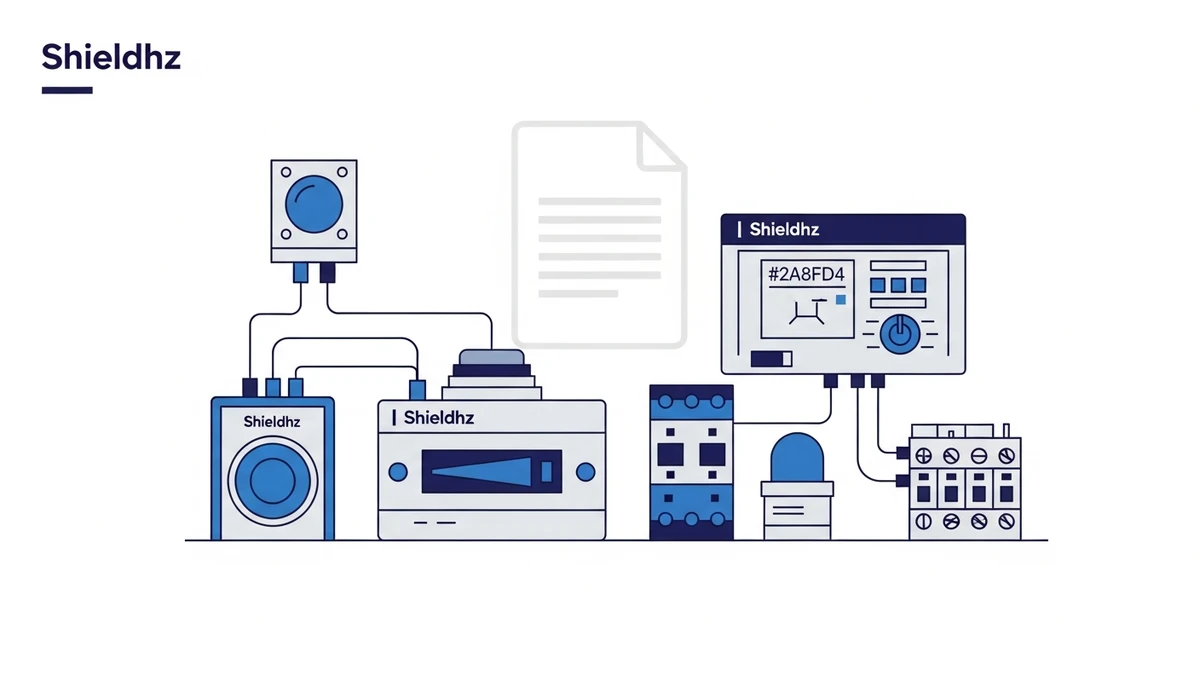
الشكل 1. يغطي المعيار أجهزة دائرة التحكم المستخدمة للتحكم والإشارات والتشابك ووظائف اللوحة ذات الصلة.
المعدات التي يغطيها المعيار
ينطبق IEC 60947-5-1 على مجموعة محددة من أنواع الأجهزة. ويساعدك فهم الأجهزة التي تندرج تحتها على معرفة ما يجب أن تطلبه من المورد.
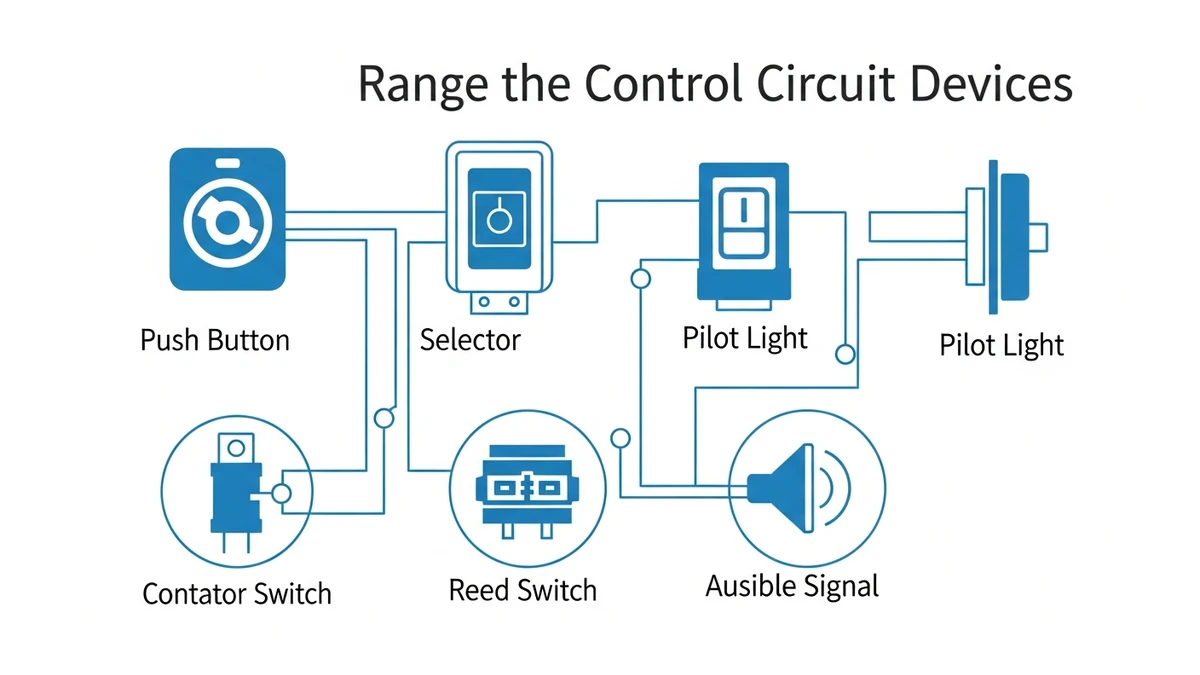
أزرار الضغط ومشغلات رأس الفطر - لحظية أو مستمرة، متدفقة أو ممتدة، بإضاءة أو بدون إضاءة. هذه هي الأجهزة الأكثر شيوعاً التي يتم تغطيتها. انظر مجموعة أزرار الضغط شيلدهز للحصول على أمثلة عن كيفية فهرستها عملياً.
مفاتيح الاختيار - أنواع دوارة ذات موضعين وثلاثة مواضع، وأنواع دوارة تعمل بالمفتاح، وأنواع تعمل بالكامات. وقد تكون ذات رجوع لحظي أو ذات وضع ثابت.
أضواء المؤشر والمصابيح الإرشادية - مصابيح الإشارة ومجموعات مؤشرات LED المستخدمة لإظهار حالة الماكينة. وهي مغطاة بمتطلبات الإنشاء والعلامات، بما في ذلك جهد الإضاءة.
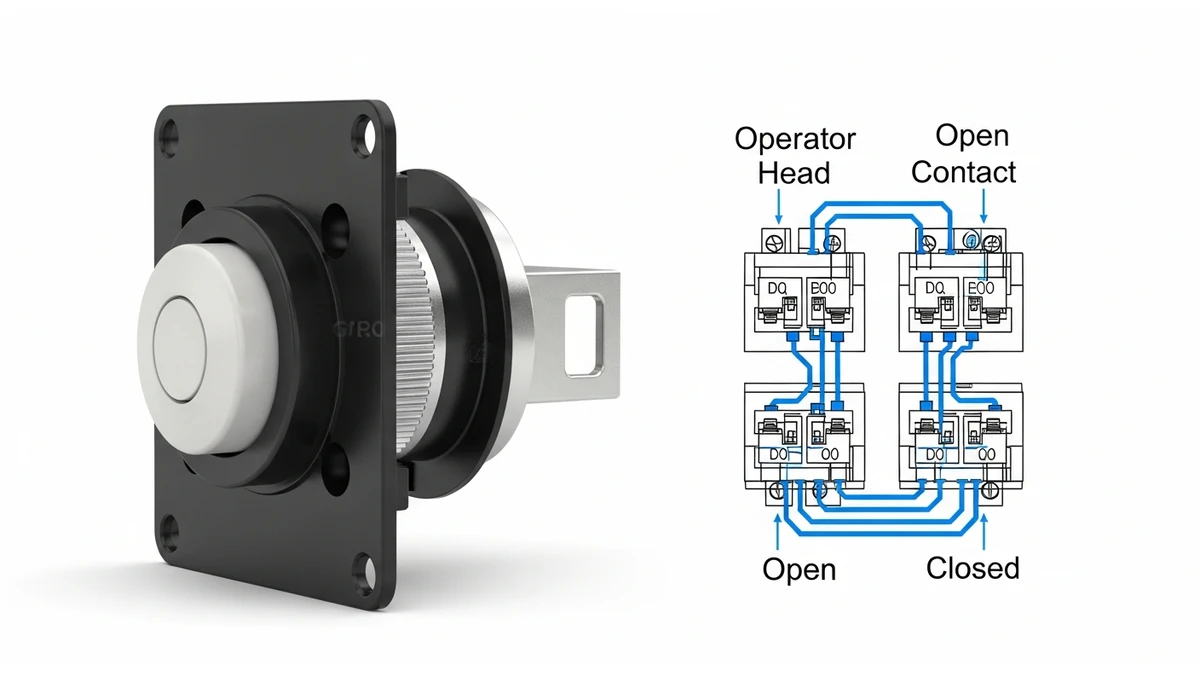
كتل الاتصال - عناصر التحويل الكهربائية التي يتم توصيلها برؤوس المشغل. كتلة التلامس هي ما يصنع الدائرة أو يقطعها بالفعل. وتحدد المواصفة القياسية كيف يجب تصنيف كتل التلامس واختبارها ووضع علامات عليها بشكل مستقل عن المشغل.
مفاتيح التبديل المغناطيسية ذات التلامس القَصَبِيّ - يتناولها إصدار 2024 بشكل صريح، مما يعكس استخدامها المتزايد في تطبيقات استشعار الموضع والتشابك.
أجهزة الإشارات الصوتية - الجرس والأجهزة المماثلة المستخدمة للتنبيه. أضافت مراجعة 2024 متطلبات معلومات محددة لهذه الأجهزة.
أجهزة الدائرة الكهربائية من الفئة الثانية - الأجهزة التي تحقق الأمان عن طريق العزل المزدوج أو المقوى بدلاً من التأريض الوقائي. أضافت طبعة 2024 متطلبات محددة لهذه الفئة.
معظم أجهزة IEC 60947-5-1 IEC 60947-5-1 تكون معيارية. يتم تركيب رأس المشغل (الجزء الذي يلمسه المشغل) في فتحة اللوحة ويقبل كتلة تلامس واحدة أو أكثر من الخلف. تتبع مصابيح المؤشر نفس شكل الجسم في العديد من عائلات المنتجات، وتشترك في نفس قطر الفتحة.
قطر فتحة اللوحة من أول الأشياء التي يجب التأكد منها. الأحجام الشائعة هي 16 مم و22 مم و30 مم. لا يمكن المزج بين رؤوس المشغلات وكتل التلامس من جهات تصنيع مختلفة إلا إذا كانت الواجهة الميكانيكية متوافقة - لا تفترض أنها كذلك. تحقق من ذلك مع المورد.
كتل الاتصال مصنفة بشكل منفصل. قد يقبل رأس المشغل الواحد كتلة تلامس واحدة أو اثنتين أو أكثر مكدسة معًا. كل كتلة تحمل تصنيف التيار والجهد الخاص بها. يجب ألا يتجاوز العدد الإجمالي للملامسات في الدائرة ما تم تصنيف الكتلة له.
لإلقاء نظرة أعمق على كيفية عمل مجموعات الأزرار الضاغطة ميكانيكياً وكهربائياً، يمكن الاطلاع على دليل أزرار الضغط على شيلدهز يغطي الأساسيات بعبارات واضحة.
الشكل 2. تحدد كتل الاتصال NO و NC الإشارة التي تستقبلها دائرة التحكم عندما يقوم المشغل بتشغيل الجهاز.
منطق التلامس: NO، NC، صيانة، مؤقت، مضيء
يعد فهم منطق التلامس بشكل خاطئ أحد أكثر أخطاء أسلاك اللوحة شيوعًا. تحدد المواصفة القياسية IEC 60947-5-1 المصطلحات بدقة.
مفتوح عادةً (NO) - يكون الملامس مفتوحًا (الدائرة مقطوعة) عندما يكون المشغِّل في وضع السكون. يؤدي الضغط على الزر إلى إغلاق التلامس. يُستخدم لأوامر بدء التشغيل.
مغلق عادةً (NC) - يكون الملامس مغلقًا (يتم عمل دائرة كهربائية) عندما يكون المشغِّل في وضع السكون. الضغط على الزر يفتح التلامس. يُستخدم لأوامر الإيقاف والتعشيق.
إجراء لحظي - تعود جهة الاتصال إلى حالة السكون عند تحرير المشغِّل. أزرار الضغط القياسية مؤقتة.
العمل المستمر (الإغلاق) - يبقى الملامس في حالة التشغيل بعد تحرير المشغّل. يتطلب عملية ثانية للعودة. عادة ما يتم الحفاظ على مفاتيح الاختيار.
أزرار ضغط مضيئة ومفاتيح اختيار مضيئة - تحتوي على مصباح أو مصباح LED متكامل. دائرة الإضاءة منفصلة عن دائرة التلامس. يجب التأكد من جهد الإضاءة بشكل مستقل. لا يعني وجود كتلة تلامس بجهد 24 فولت تيار مستمر أن المصباح مقيّم بجهد 24 فولت تيار مستمر - تحقق من مواصفات جهد المصباح في ورقة البيانات.
بالنسبة لمصابيح المؤشر على وجه التحديد، فإن جهد الإضاءة ولون LED ونوع العدسة هي معلمات الاختيار الأساسية. إن دليل إضاءة مؤشر شيلدهز الضوئي يغطي تلك بالتفصيل.
التصنيفات والعلامات التي يجب التحقق منها في أوراق البيانات وأجسام الأجهزة
تحدد المواصفة القياسية IEC 60947-5-1 ما يجب أن يكون موسومًا على الجهاز أو عبوته. عند استلام المنتج، هذه هي العناصر التي يجب التحقق منها.
الجهد التشغيلي المقدر (Ue) - الجهد الذي تم تصنيف الملامس للتبديل تحت الحمل. هذا ليس هو نفسه جهد العزل. تأكد من تطابق Ue مع جهد دائرة التحكم.
تصنيفات التيار المتردد والتيار المستمر منفصلة. كتلة التلامس المصنفة 240 فولت تيار متردد / 10 أمبير غير مصنفة تلقائيًا لتيار مستمر 240 فولت. من الصعب مقاطعة التيار المستمر لأنه لا يوجد تقاطع طبيعي للتيار صفر. تحقق دائمًا من تصنيف التيار المستمر بشكل صريح إذا كانت دائرتك من التيار المستمر.
التيار التشغيلي المقدر (Ie) - التيار الذي يمكن أن يصنعه الملامس وينقطع عند الجهد المقنن. تحقق من ذلك مقابل حمولتك الفعلية، بما في ذلك التدفق الداخلي للأحمال الاستقرائية.
فئة الاستخدام - تحدد المواصفة القياسية IEC 60947-5-1 فئات مثل AC-15 (التحكم في الأحمال الكهرومغناطيسية، تيار متردد) وDC-13 (التحكم في الأحمال الكهرومغناطيسية، تيار مستمر). وتحدد هذه الفئات ظروف الاختبار التي تم التحقق من التلامس على أساسها. طابق الفئة مع نوع الحمل الخاص بك.
التحمل الميكانيكي - عدد دورات التشغيل المقدرة للجهاز بدون حمل كهربائي. تتراوح القيم النموذجية من مليون إلى 10 ملايين دورة حسب المنتج.
القدرة على التحمل الكهربائي - عدد دورات التشغيل عند الحمل المقدر. وهذا دائماً أقل من التحمل الميكانيكي. بالنسبة للتطبيقات عالية الدورة، يكون التحمل الكهربائي هو الرقم المحدد.
وضع العلامات الطرفية - تتطلب المواصفة القياسية IEC 60947-5-1 وضع علامات على الأطراف بحيث يمكن تتبع الدائرة. وعادة ما يتم تمييز جهات الاتصال NO بأرقام تنتهي بالأرقام 3 و4 (على سبيل المثال، 13-14). عادةً ما يتم تمييز جهات التلامس NC بأرقام تنتهي بالرقمين 1 و2 (على سبيل المثال، 11-12). تحقق من تطابق مخطط العلامات مع وثائق الأسلاك الخاصة بك.
تصنيف IP - تصنيف حماية الدخول للجهاز المجمع في فتحة اللوحة الخاصة به. تصنيف IP لرأس المشغل وحده ليس هو نفسه تصنيف IP للتجميع الكامل. تأكد من ذكر تصنيف IP للتكوين المجمع.
درجة الحماية (الضميمة) - المتعلقة بـ IP ولكنها تغطي أيضاً مقاومة الصدمات. بالنسبة للبيئات القاسية، تحقق من كليهما.
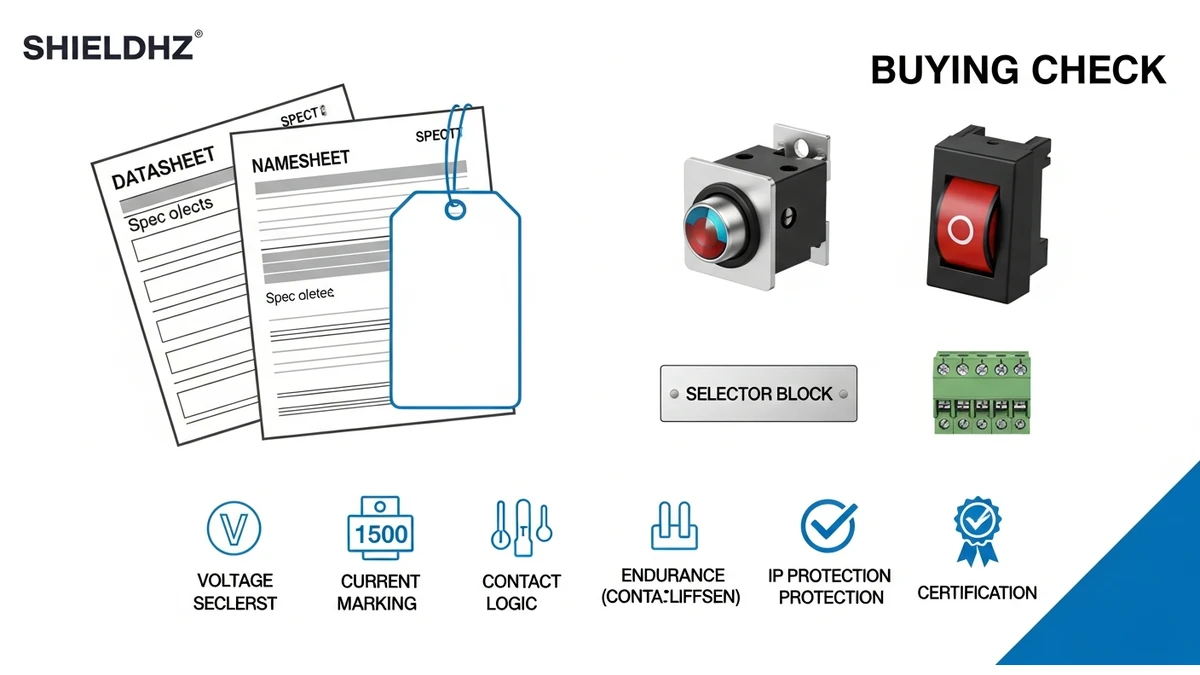
الشكل 3. تتضمن فحوصات ورقة البيانات الجهد، وتكوين التلامس، وعلامات الطرفية، والقدرة على التحمل، وجهد الإضاءة، ومتطلبات الضميمة.
ملاحظات شروط الخدمة والتوافق الكهرومغناطيسي والسلامة في إصدار 2024
قامت مراجعة 2024 بتحديث العديد من المجالات الفنية المهمة لاختيار المنتج وتركيبه.
ظروف الخدمة العادية بما في ذلك الصدمات والاهتزازات - نقحت طبعة 2024 متطلبات الصدمات والاهتزازات. إذا كان تطبيقك ينطوي على اهتزازات كبيرة (أدوات الماكينات، المعدات المتنقلة، الضواغط)، تأكد من أن المنتج قد تم اختباره وفقًا لمتطلبات الاهتزاز في الإصدار الحالي، وليس فقط الإصدار الأقدم.
متطلبات EMC - يمكن أن تكون أجهزة دارة التحكم مصادر للتداخل الموصّل والإشعاعي، كما يمكن أن تكون عرضة للتداخل من محركات التردد المتغير ومصادر أخرى. يتناول إصدار 2024 متطلبات التوافق الكهرومغناطيسي EMC. هذا الأمر مهم في اللوحات المزودة بمحركات التردد المتغير أو مصادر الضوضاء الأخرى.
اختبارات السحب للخارج - أضافت طبعة 2024 متطلبات اختبار السحب أو نقحت متطلبات اختبار السحب للكتل الملامسة ومجموعات المشغلات. وهذا مناسب للتطبيقات التي يمكن أن يؤدي فيها الاهتزاز أو شد الكابل إلى إزاحة كتلة التلامس من المشغل الخاص بها.
أجهزة الفئة الثانية - إذا كان التطبيق الخاص بك يتطلب عزلًا مزدوجًا أو مقوى (بعض دوائر السلامة وتوجيهات الماكينات المحددة)، تأكد من أن المنتج مصنف على وجه التحديد كجهاز من الفئة الثانية بموجب IEC 60947-5-1:2024، وليس فقط افتراض أنه آمن لأنه مصنوع من البلاستيك.
مفاتيح التبديل المغناطيسية ذات التلامس القَصَبِيّ - إذا كنت تستخدم مفاتيح مغناطيسية لاستشعار الموضع أو تعشيق الباب، فتأكد من أنها مغطاة بموجب المواصفة IEC 60947-5-1 وتحقق من مواصفات مسافة التشغيل المغناطيسي المحددة ومواصفات القوة.
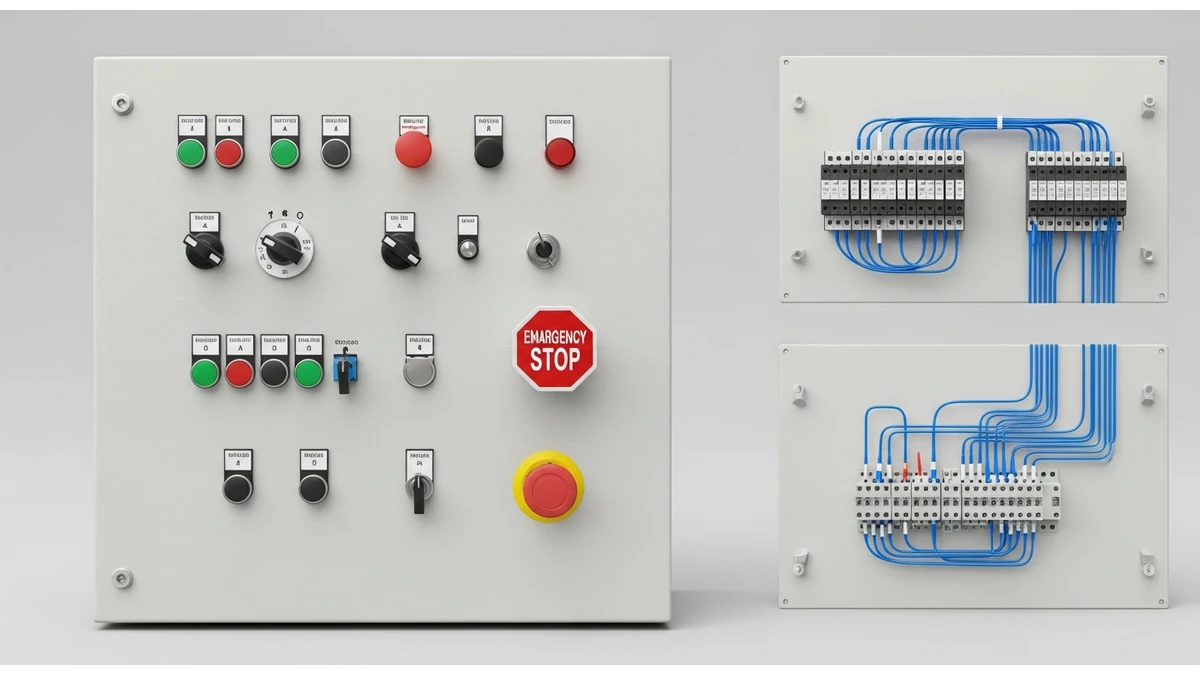
تستخدم أزرار الضغط ذات رأس الفطر الأحمر بشكل شائع كأجهزة إيقاف طوارئ. تغطي المواصفة القياسية IEC 60947-5-1 البنية الكهروميكانيكية وتصنيفات هذه الأزرار. وهي لا تجعل الجهاز في حد ذاته جهاز إيقاف طوارئ متوافقًا.
تخضع وظائف الإيقاف في حالات الطوارئ لمعيار IEC 60947-5-5 (الإغلاق الميكانيكي ومتطلبات إجراء الفتح المباشر) ومعايير سلامة الماكينات مثل المواصفة القياسية ISO 13850. يجب أن يفي الجهاز المستخدم كإيقاف طارئ بمتطلبات إجراء الفتح المباشر - بمعنى أن جهة الاتصال NC يجب أن تفتح بشكل إيجابي عند تشغيل المشغل، بغض النظر عن لحام التلامس أو تعطل النابض.
لا تفترض أن أي زر فطر أحمر مناسب لاستخدام التوقف في حالات الطوارئ. تحقق من أن المنتج المحدد مصنف وموسوم بعلامة للتوقف في حالات الطوارئ، وتحقق من الامتثال لمعايير سلامة الماكينة المعمول بها في تطبيقك. قد تفرض اللوائح المحلية وتوجيهات الماكينات أو ما يعادلها في ولايتك القضائية متطلبات إضافية.
الشكل 4. تعمل أزرار الضغط، ومفاتيح الاختيار، وأضواء المؤشر معًا كواجهة للمشغل للتحكم في الماكينة واللوحة.
منتجات شيلدهز في هذه الفئة
تقوم شركة Shieldhz بتوريد أزرار الضغط، وأضواء المؤشر، ومفاتيح الاختيار المخصصة لتطبيقات لوحات التحكم الصناعية. إذا كنت تقوم بتقييم منتجات Shieldhz وفقًا لمعيار IEC 60947-5-1:2024، فإن الخطوات هي نفسها المتبعة مع أي مورد:
احصل على ورقة بيانات المنتج وتأكد من ذكر الجهد التشغيلي المقدر والتيار وفئة الاستخدام والتحمل الميكانيكي والتحمل الكهربائي.
تأكد ما إذا كان المنتج قد تم اختباره وفقًا للمواصفة IEC 60947-5-1:2024 أو إصدار سابق، وما إذا كانت شهادة الاختبار أو إعلان المطابقة متاحًا.
تأكد من أن تصنيف IP مذكور للتكوين المجمع في فتحة اللوحة وليس فقط رأس المشغل وحده.
بالنسبة للأجهزة المضاءة، تأكد من جهد المصباح أو الصمام الثنائي الباعث للضوء بشكل منفصل عن جهد التلامس.
بالنسبة لتطبيقات الإيقاف في حالات الطوارئ، تأكد من أن الجهاز يحمل علامة إجراء الفتح المباشر المناسبة ويفي بمتطلبات IEC 60947-5-5.
لا تعتمد على صور المنتج أو الأوصاف العامة للكتالوج لاتخاذ قرارات التوافق. اطلب ورقة البيانات والشهادة الخاصة برقم الجزء المحدد.
تظهر هذه الأخطاء بانتظام في عمليات إنشاء اللوحات والمشتريات:
استخدام الملامسات ذات تصنيف التيار المتردد على دوائر التيار المستمر دون التحقق من تصنيف التيار المستمر. انقطاع التيار المستمر أكثر تطلبًا. دائمًا ما يكون تصنيف التيار المستمر أقل من تصنيف التيار المتردد عند نفس الجهد.
بافتراض أن جميع المنتجات مقاس 22 مم من ماركات مختلفة قابلة للتبديل. قد يتطابق قطر الفتحة، لكن واجهة كتلة التلامس وعمق التركيب وتوافق الملحقات لا تتطابق في الغالب.
تحديد جهد الإضاءة بالافتراض. دائرة تحكم 24 فولت تيار مستمر لا تعني أن المصباح 24 فولت تيار مستمر. تقدم بعض عائلات المنتجات خيارات مصابيح بجهد 24 فولت و110 فولت و230 فولت في نفس الهيكل. طلب جهد المصباح الخاطئ خطأ شائع.
تجاهل القدرة على التحمل الكهربائي للتطبيقات عالية الدورة. تبدو أرقام التحمل الميكانيكية مثيرة للإعجاب. التحمل الكهربائي عند الحمل المقدر هو الرقم المهم لطول العمر.
التعامل مع تصنيف IP لرأس المشغل على أنه تصنيف IP للتجميع. يجب أيضًا مراعاة الجزء الخلفي من التجميع، بما في ذلك كتل التلامس والأسلاك. إن تصنيف IP للتجميع الكامل للتجميع الكامل في قطعه هو ما يحمي الدائرة.
عدم التحقق من إصدار المعيار الذي تم اختبار المنتج عليه. أدخلت طبعة 2024 تغييرات. بالنسبة للتصميمات الجديدة، تأكد من أن المنتج تم اختباره وفقًا للإصدار الحالي إذا كان ذلك مهمًا لوثائق الامتثال الخاصة بك.
قائمة مراجعة الشراء العملية
قبل تقديم طلب شراء أزرار الضغط أو مفاتيح الاختيار أو مصابيح المؤشر، تأكد مما يلي:
جهد التشغيل المقدر (Ue) يطابق جهد دائرة التحكم
تم تأكيد تصنيف التيار المتردد أو التيار المستمر لنوع دائرتك
تتطابق فئة الاستخدام (AC-15، DC-13، إلخ) مع نوع الحمولة
يغطي التيار التشغيلي المقدر (Ie) الحمل الفعلي بما في ذلك التدفق الداخلي
تكوين التلامس (NO، أو NC، أو تركيبة) يطابق مخطط الأسلاك
تم تأكيد عدد كتل التلامس لكل مشغل
تم تأكيد قطر فتحة اللوحة (16 مم أو 22 مم أو 30 مم)
تأكيد جهد الإضاءة بشكل منفصل (في حالة الإضاءة)
تم تأكيد تصنيف IP للتكوين المجمع
مراجعة أرقام التحمل الميكانيكية والكهربائية لمعدل الدورة
تم تأكيد مخطط وضع العلامات الطرفية مقابل وثائق الأسلاك
شهادة الاختبار أو إعلان المطابقة متاح لرقم الجزء المحدد
تم التحقق من أجهزة التوقف في حالات الطوارئ وفقًا لمعيار IEC 60947-5-5 IEC 60947-5 ومعيار سلامة الماكينة المعمول به
تم التحقق بشكل مستقل من الكود الكهربائي المحلي ومتطلبات توجيه الماكينات الكهربائية المحلية
الأسئلة الشائعة
ما هو IEC 60947-5-1؟
IEC 60947-5-1 هي المواصفة القياسية IEC لأجهزة دوائر التحكم الكهروميكانيكية وعناصر التحويل. وهي تغطي أزرار الضغط، ومفاتيح الاختيار، وأضواء المؤشر، وكتل التلامس، والأجهزة ذات الصلة المستخدمة في دوائر التحكم ذات الجهد المنخفض. وهي تحدد كيفية تصنيف هذه الأجهزة وتصميمها واختبارها ووضع علامات عليها. الإصدار الحالي هو الإصدار الخامس المنشور 2024-03-26.
ما نطاق الجهد الذي تنطبق عليه المواصفة القياسية IEC 60947-5-1؟
تنطبق المواصفة القياسية على الأجهزة ذات الفولتية المقدرة حتى 1000 فولت تيار متردد (بترددات تصل إلى 1000 هرتز) وحتى 600 فولت تيار مستمر. ويغطي ذلك فولتية دائرة التحكم المستخدمة في الغالبية العظمى من اللوحات الصناعية، بما في ذلك 24 فولت تيار مستمر، و48 فولت تيار مستمر، و110 فولت تيار متردد و230 فولت تيار متردد.
ما الفرق بين التلامس المفتوح عادة والمغلق عادة؟
التلامس المفتوح عادةً (NO) يكون مفتوحًا (دائرة مقطوعة) عندما يكون المشغِّل في حالة سكون وينغلق عند التشغيل. أما التلامس المغلق عادةً (NC) يكون مغلقاً (دائرة مقطوعة) عندما يكون المشغل في حالة السكون وينفتح عند التشغيل. يعد التمييز أمرًا بالغ الأهمية لمنطق التحكم - عادةً ما تستخدم دوائر بدء التشغيل تلامس NO، بينما تستخدم دوائر الإيقاف والتعشيق عادةً تلامس NC.
هل تغطي المواصفة القياسية IEC 60947-5-1 أزرار الإيقاف الطارئ؟
وهي تغطي التركيب الكهروميكانيكي والتصنيفات الخاصة بأجهزة الأزرار الانضغاطية، بما في ذلك الأنواع ذات رأس الفطر. ومع ذلك، فإن متطلبات وظيفة الإيقاف في حالات الطوارئ - وتحديدًا متطلبات إجراء الفتح المباشر - تغطيها المواصفة القياسية IEC 60947-5-5. يجب أن تتوافق تطبيقات التوقف في حالات الطوارئ أيضًا مع معايير سلامة الماكينة مثل المواصفة القياسية ISO 13850. زر الفطر الأحمر ليس جهاز إيقاف طوارئ متوافق تلقائيًا.
ما الذي تغير في إصدار 2024 مقارنة بإصدار 2016؟
قام الإصدار الخامس 2024 بمراجعة أو إضافة متطلبات في عدة مجالات: النطاق والاستثناءات، ومتطلبات دائرة التحكم، وظروف الخدمة العادية (الصدمات والاهتزازات)، والمعلومات والعلامات، والمتطلبات الإنشائية والاختبارات المتعلقة بالسلامة، ومتطلبات التوافق الكهرومغناطيسي EMC، ومفاتيح التبديل المغناطيسية ذات التلامس القصبية، وأجهزة الدوائر من الفئة الثانية، واختبارات السحب، ومعلومات جهاز الإشارة المسموعة، والملحق O الجديد. إذا كانت وثائق الامتثال الخاصة بك تشير إلى الإصدار الرابع (2016)، فراجع ما إذا كانت التغييرات في إصدار 2024 تؤثر على تطبيقك المحدد.
لماذا يتم سرد تصنيفات التيار المتردد والتيار المستمر بشكل منفصل في أوراق بيانات كتل التلامس؟
من الصعب مقاطعة دوائر التيار المستمر أكثر من دوائر التيار المتردد عند نفس الجهد لأن التيار المتردد يمر عبر الصفر مرتين في كل دورة، مما يؤدي بطبيعة الحال إلى إطفاء القوس. التيار المستمر ليس له تقاطع صفري، لذلك يجب إطفاء القوس ميكانيكيًا. هذا يعني أن كتلة التلامس المصنفة لتيار متردد 240 فولت تيار متردد / 10 أمبير عادةً ما يكون لها تصنيف جهد تيار مستمر أو تيار أقل. تحقق دائمًا من تصنيف التيار المستمر بشكل صريح لدوائر التحكم في التيار المستمر.
ما هو تصنيف IP الذي يجب تحديده لأزرار الضغط في لوحة التحكم؟
يعتمد ذلك على البيئة. IP65 هو الحد الأدنى الشائع للوحات المعرضة للغسيل أو الغبار الكبير. قد تكون IP67 أو IP69K مطلوبة لتجهيز الأغذية أو التطبيقات الخارجية. يجب التأكد من تصنيف IP للجهاز المجمع بالكامل في فتحة اللوحة - وليس فقط رأس المشغل. تحقق من ورقة بيانات المنتج لمعرفة تصنيف IP للتجميع الكامل، وتحقق من أن التصنيف يفي بمتطلبات بيئة التركيب لديك وأي معايير محلية قابلة للتطبيق.
الوجبات الجاهزة النهائية
تمنحك المواصفة القياسية IEC 60947-5-1 إطار عمل متسق لفهم ما تعنيه الأرقام الموجودة على ورقة بيانات زر الضغط أو كتلة التلامس بالفعل. الإصدار 2024 هو المرجع الحالي. عندما تقوم بتحديد أو شراء أجهزة دائرة التحكم، يخبرك المعيار بما يجب أن تطلبه: الجهد التشغيلي المقنن وفئة الاستخدام وتكوين التلامس وأرقام التحمل وتصنيف IP للتجميع وشهادة اختبار مرتبطة برقم الجزء المحدد. بالنسبة لتطبيقات الإيقاف في حالات الطوارئ، اذهب إلى أبعد من ذلك وتحقق من التوافق مع المواصفة القياسية IEC 60947-5-5 ومعيار سلامة الماكينة المعمول به. لا يزال يتعين التحقق من الاختيار النهائي في ضوء تقييم سلامة الماكينة وورقة بيانات المنتج وبيئة التركيب والرمز المحلي. تغطي قائمة المراجعة أعلاه الخطوات العملية. إذا كنت بحاجة إلى التحقق مما يغطيه منتج Shieldhz معين، فابدأ بورقة البيانات وإعلان المطابقة لرقم الجزء هذا.
شي، موكسي
يكتب شي، موكسي مقالات شيلدهز الفنية لمشتري التحكم الصناعي والمكونات الكهربائية، والتي تغطي مفاتيح الكامات الدوارة، ومفاتيح العازل، ومفاتيح فصل التيار المستمر الكهروضوئية، وأزرار الضغط، وأضواء المؤشر، والحاويات المقاومة للماء، والكتل الطرفية. تستند المقالات على خبرة شركة Zhejiang Shihe Electric Co., Ltd. في التصنيع والتصدير، مع التركيز العملي على اختيار الطراز وأوراق البيانات والرسومات والشهادات وتصنيفات IP وتفاصيل الاستفسار التي يجب على المشترين التأكد منها قبل الطلب.