SH30 أساسيات مفاتيح عزل الحمل SH30 لمضخة التدفئة والتهوية وتكييف الهواء وعزل الخدمة
تُعد عوازل الحمل SH30 خيارًا عمليًّا للاستخدام في أنظمة التدفئة والتهوية وتكييف الهواء (HVAC) والمضخات ونقاط الصيانة، حيث يتعين أن يتناسب الغلاف والمقبض مع متطلبات التركيب.
مفاتيح عزل الحمل SH30 عبارة عن جهاز فصل بكاميرا دوارة موضوعة حسب معلومات منتج Shieldhz الحالية كعائلة عازل حمل من 20 أمبير إلى 125 أمبير، مصممة لإنشاء حالة إيقاف تشغيل مؤكدة في دوائر مضخة التدفئة والتهوية وتكييف الهواء ولوحات الخدمة عندما يتطابق الإطار المحدد مع تصنيف الدائرة. يتم تحديد المتغيرات SH30 المختارة بشكل صحيح وفقًا لمتطلبات IEC 60947-3 لمفصل المفاتيح IEC 60947-3، مما يمنح فرق الصيانة نقطة عزل قابلة للقفل قبل الوصول إلى الأسلاك النهائية أو مكونات المضخة. بالنسبة لمنشئي اللوحات ومشترين مصنعي المعدات الأصلية، يغطي SH30 مغذيات محرك المضخة ثلاثية الطور وأحادية الطور، ويستخدم أبعاد تركيب خاصة بالإطار يجب تأكيدها قبل التصنيع، وهو متوفر في حاويات مقاومة للعوامل الجوية مصنفة حتى IP66 لغرف المصانع الخارجية والتركيبات على الأسطح.
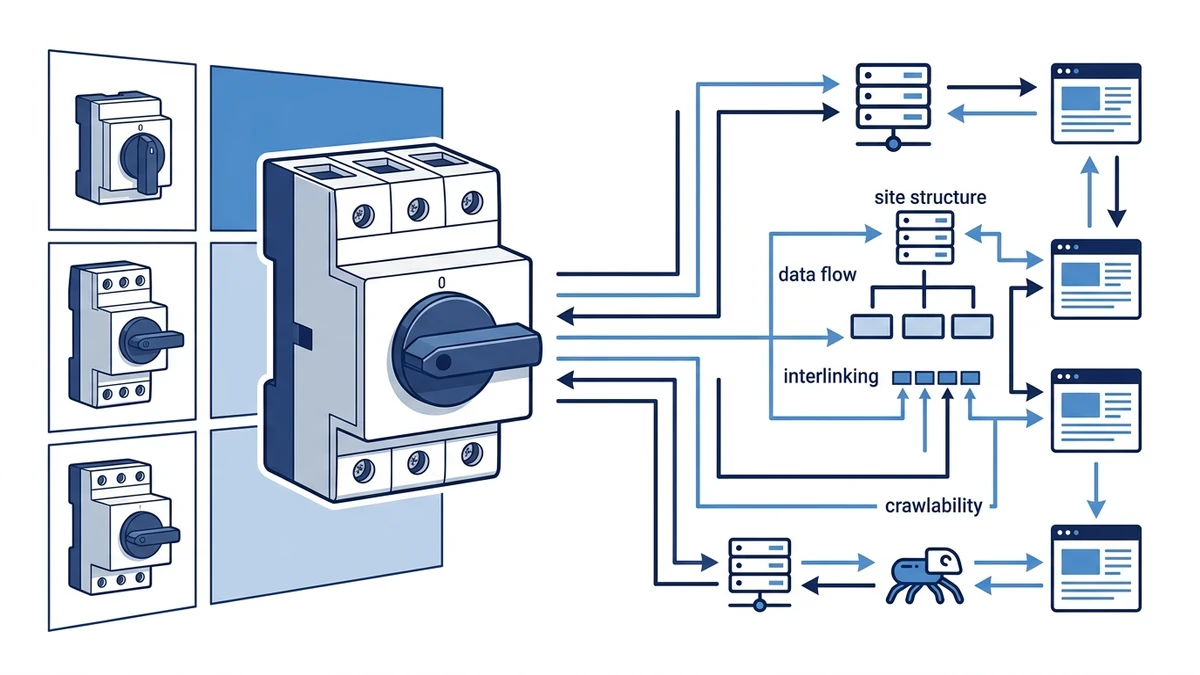
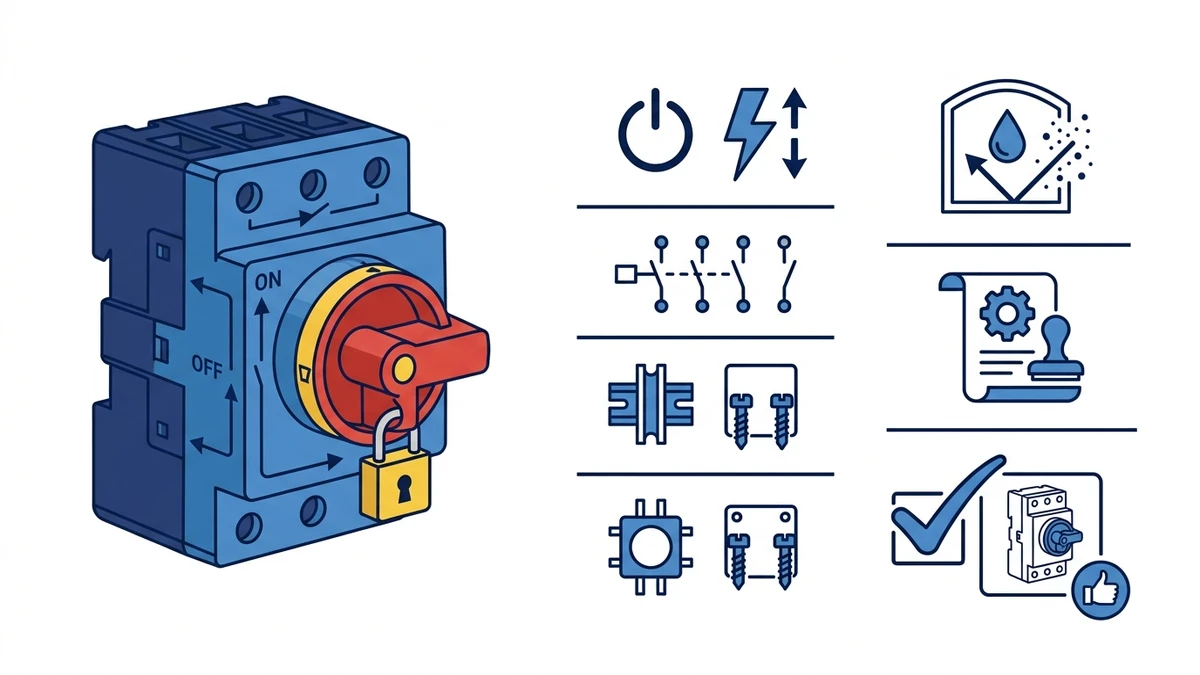
الشكل 1. المفهوم الأساسي وراء اختيار مفتاح عزل الأحمال SH30.
ما هو مفتاح عزل الحمل SH30؟
مفتاح عزل الحمل هو جهاز تتمثل مهمته الأساسية في إنشاء حالة إيقاف تشغيل محددة يمكن التحقق منها - وليس للحماية من أحداث التيار الزائد أو أحداث الدائرة القصيرة. ويحقق SH30 ذلك من خلال آلية تلامس مدفوعة بالكاميرا: حيث إن تدوير المقبض من خلال قوس محدد، عادةً 90 درجة، يدفع جسور التلامس المصنوعة من سبائك الفضة بعيدًا عن حواملها الثابتة ويفتح جميع الأقطاب في وقت واحد. هذا الكسر المتزامن متعدد الأقطاب هو ما يميز عازل الحمل عن مفتاح التشغيل/إيقاف التشغيل البسيط.
بموجب المواصفة القياسية IEC 60947-3:2020+AMD1:2025، والتي تنطبق على المفاتيح والمفصلات ومفصلات المفاتيح ووحدات دمج الصمامات لدوائر التوزيع والدوائر الحركية ذات الجهد المقنن حتى 1000 فولت تيار متردد أو 1500 فولت تيار مستمر، يجب أن يثبت مفصل المفاتيح قدرة صنع وكسر مقدرة في فئة الاستخدام الخاصة به. بالنسبة لأحمال المحركات الحثية، يعني ذلك فئة AC-23A، والتي تحكم تبديل أحمال المحركات بما في ذلك مهمة التوصيل والوصل. تفي سلسلة SH30 بهذا التصنيف، مما يجعلها مناسبة لدورات التشغيل/التوقف المتكررة الشائعة في تطبيقات مضخات HVAC.
يفسر فهم الميكانيكا الداخلية سبب توفير SH30 لحالة إيقاف تشغيل موثوقة وقابلة للتحقق بدلاً من مجرد دائرة متقطعة.
تفاعل قرص الكاميرا وجسر التلامس
داخل SH30، يتم ربط عمود المشغل بمجموعة أقراص كامات - قرص واحد لكل عمود. يتم تشكيل كل مقطع قرص آليًا بحيث يؤدي دوران زاوي محدد، عادةً 90 درجة، إلى نقل جسر التلامس من وضع مغلق بالكامل إلى وضع مفتوح بالكامل. يقوم سطح الكامة بدفع جسر التلامس المحمّل بنابض بعيدًا عن وسادة التلامس الثابتة، مما يؤدي إلى كسر مسار التيار. تبلغ فجوة التلامس في وضع الفتح الكامل 3 مم أو أكثر لكل قطب بشكل عام، وهو ما يفي بمتطلبات المواصفة IEC 60947-3 الخاصة بحالة إيقاف التشغيل المحددة في فئة استخدام التيار المتردد AC-23A.
إدارة مواد التلامس والقوس الكهربائي
تستخدم جسور التلامس في SH30 عادةً سبائك أكسيد الفضة والقصدير (AgSnO2) أو أكسيد الفضة والكادميوم (AgCdO). تقاوم هذه المواد اللحام والتآكل أثناء القوس القصير الذي يتشكل عند الكسر. في دارات مضخة التدفئة والتهوية وتكييف الهواء، يكون الحمل في الغالب استقرائي - حيث تمثل المحركات عامل طاقة متأخر - لذلك تتم معايرة هندسة التلامس والتحميل المسبق الزنبركي لإخماد القوس داخل الضميمة قبل أن يتلف الأقطاب المجاورة.
تتعامل تلامسات AgSnO2 مع تيارات تدفق أعلى من AgCdO في دوائر المضخات الحديثة التي تغذيها VFD. إذا كان المورد الخاص بك يقدم خيارًا من سبيكة التلامس، فتأكد من المواصفات مقابل ورقة البيانات قبل الطلب.
فتح العمود في نفس الوقت
لعزل الخدمة الآمن، يجب فتح جميع الأعمدة معًا. يتم تجميع مكدس كامات SH30 على عمود واحد، وبالتالي فإن دوران مقبض واحد يفتح جميع الأقطاب في نفس الشوط الميكانيكي. هذا الإجراء المتزامن يمنع استمرار حالة المرحلة الواحدة على محرك قيد التشغيل، وهو سبب معروف لتلف اللف في تطبيقات المضخات ثلاثية المراحل.
تتبع ميكانيكا التلامس الأساسية المبادئ الموثقة في معيار IEC 60947-3, التي تحكم قدرة الصنع والكسر، والقدرة على التحمل الميكانيكي، ومتطلبات العزل لهذه الفئة من الأجهزة.
مذكرة التكليف: في البيئات ذات الاهتزازات العالية، تحقق من فجوة التلامس باستخدام مقياس تحسس أثناء التشغيل. يمكن أن تتراجع مثبتات أقراص الكامة بمرور الوقت وتقلل من خلوص الحالة المفتوحة إلى ما دون الحد الأدنى من IEC. بعد أي حدث عطل تسبب في كسر العازل تحت تيار العطل، افحص أسطح التلامس قبل إعادة المفتاح إلى الخدمة - لا يكون تآكل القوس الكهربائي مرئيًا دائمًا من الخارج.
أسلاك SH30 لدوائر مضخة HVAC
مع إنشاء ميكانيكا التلامس، فإن الخطوة التالية هي ترجمة إمكانية العزل إلى تركيب سلكي صحيح.
تعيين المحطة الطرفية قبل البدء
قبل توصيل أي موصلات، تأكد من تطابق متغير SH30 مع الدائرة: إصدار ثلاثي الأقطاب لمحركات المضخات ثلاثية الطور، أو إصدار ثنائي الأقطاب لمضخات الدوران أحادية الطور. تتم تسمية أطراف الإمداد الواردة بالرموز L1، L2، L3 (أو L1، N للمرحلة الواحدة)؛ وتتم تسمية أطراف الحمل الصادرة بالرموز T1، T2، T3 (أو T1، T2). يجب أن يتناسب حجم المقطع العرضي للموصل مع تيار الحمل الكامل للمضخة - عادةً من 1.5 مم2 إلى 6 مم2 لتصنيفات مضخة HVAC في نطاق 0.37 كيلو وات إلى 7.5 كيلو وات.
تحقق دائمًا من التسميات الطرفية مقابل ورقة بيانات SH30 للمتغير الخاص بك قبل توصيل الأسلاك. يمكن أن تختلف تكوينات التلامس بين عدد الأقطاب والتصنيفات الحالية داخل نفس عائلة المنتج.
تسلسل الأسلاك خطوة بخطوة
الخطوة 1 - اعزل الإمداد من المنبع. تأكد من إغلاق قاطع الدارة الكهربائية أو لوحة التوزيع قبل فتح الضميمة.
الخطوة 2 - قم بتغذية موصلات الإمداد في أطراف التوصيل من جانب الخط. أدخل L1 وL2 وL3 في أطراف التوصيل الواردة المقابلة وشدها بعزم الدوران المحدد من الشركة المصنعة. بالنسبة لأطراف التوصيل ذات المشبك اللولبي في هذا الحجم من الإطار، يكون عزم الدوران بشكل عام في نطاق 1.2 إلى 2.5 نيوتن*متر - تأكد من ذلك بمقارنة ورقة البيانات الخاصة بالمتغير الخاص بك.
الخطوة 3 - قم بتوصيل موصلات الحمل بالأطراف الطرفية الصادرة. قم بتوجيه T1 وT2 وT3 إلى الصندوق الطرفي لمحرك المضخة، مع الحفاظ على تسلسل الطور للحفاظ على اتجاه دوران المحرك.
الخطوة 5 - تحقق من جلوس الموصلات وسلامة IP. تأكد من أن جميع غدد الكابلات مثبتة بعزم دوران للحفاظ على تصنيف حماية الضميمة من الدخول قبل استعادة الإمداد.
في التركيب النموذجي لغرفة محطة التدفئة والتهوية وتكييف الهواء، يتم تركيب SH30 على بعد متر واحد من بادئ تشغيل المضخة أو محرك متغير السرعة حتى يتمكن موظفو الخدمة من تحقيق حالة إيقاف تشغيل مرئية دون العودة إلى لوحة التوزيع الرئيسية. تتوافق نقطة العزل المحلية هذه مع متطلبات IEC 60947-3 للمفصلات ومفصلات المفاتيح المصنفة حتى 1000 فولت تيار متردد.
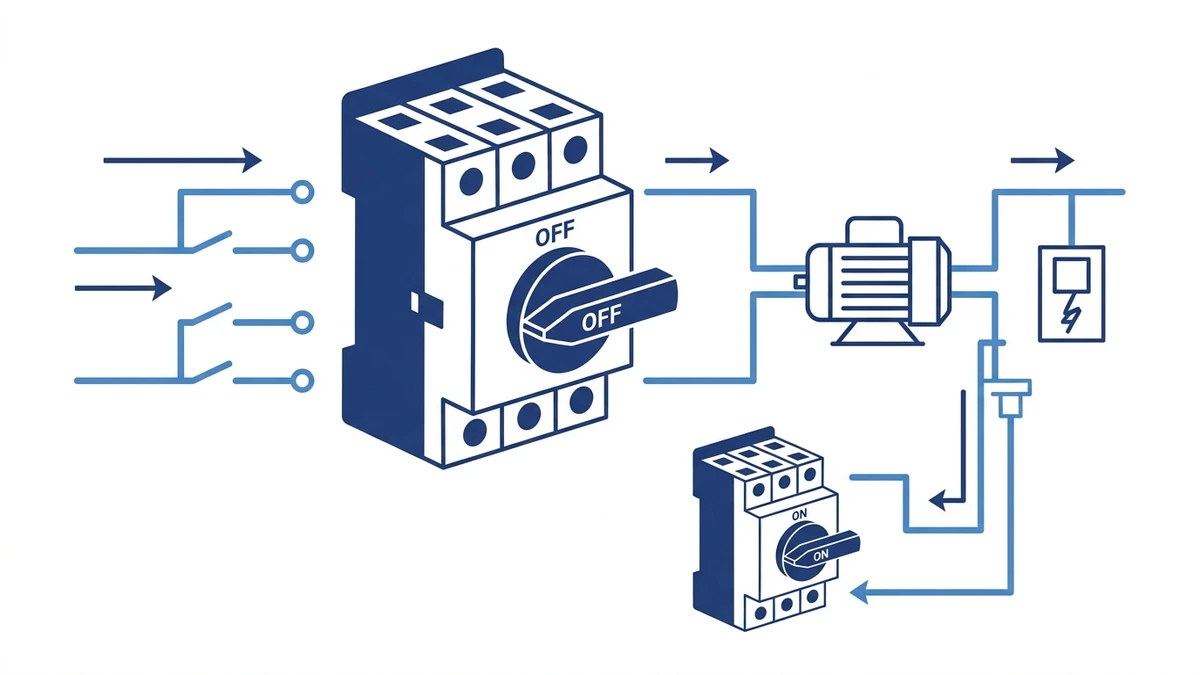
الشكل 2. يجب أن تربط فحوصات الاختيار الحمل وتسلسل التحويل والحاوية ومتطلبات التوثيق.
ملاحظات حقل الأسلاك:
استخدم مفك عزم الدوران، وليس محركًا قياسيًا، عند إنهاء الموصلات في نطاق 4 مم2 إلى 6 مم2. تعتبر أطراف التوصيل ذات عزم الدوران المنخفض السبب الرئيسي للأعطال الحرارية في نقاط توصيل العازل في لوحات المضخات.
استخدم أطراف الكابل المجعدة بالطويق على الموصلات المرنة لمنع تشتت الخيوط تحت المسمار الطرفي.
لا تعتمد أبدًا على وظيفة التعطيل الداخلي لمحرك VFD كبديل للعزل المادي. يظل ناقل التيار المستمر نشطًا بعد توقف المحرك؛ حيث إن SH30 أعلى المحرك هو نقطة العزل الصحيحة.
SH30 مقابل أنواع العوازل المماثلة: اختيار المفتاح المناسب
يعد اختيار نوع الجهاز الخاطئ أحد أكثر أخطاء المواصفات شيوعًا في تصميم لوحة HVAC. يوضح الجدول أدناه مكان كل جهاز.
المعيار
عازل الكامات الدوارة SH30
المعزل المنصهر
MCB
العزل القائم على الملامس
الوظيفة الأساسية
عزل الخدمة
عزل مع حماية من قصر الدائرة الكهربائية
الحماية من التيار الزائد وقصر الدائرة الكهربائية
التبديل تحت الحمل؛ ليس عازلاً حقيقياً
تصنيف IEC
مفتاح-مفصل التبديل (IEC 60947-3)
مفصل تبديل-مفصل مع الصمامات
قاطع الدائرة الكهربائية (IEC 60947-2)
الملامس (IEC 60947-4-1)
نطاق التيار المقدر
20 أمبير إلى 125 أمبير في مسارات Shieldhz SH30 الحالية؛ تصنيف التحكم في الإطار الدقيق
تعتمد على الإطار؛ تأكد من ورقة بيانات مفتاح الصمامات
يعتمد على الإطار؛ تأكد من ورقة بيانات القاطع
يعتمد على الإطار؛ تأكد من ورقة بيانات الملامس
الجهد المقنن
حتى 690 فولت تيار متردد
حتى 690 فولت تيار متردد
حتى 415 فولت تيار متردد (قياسي)
حتى 690 فولت تيار متردد
فجوة العزل المرئي
نعم - وضع إيقاف التشغيل الإيجابي
نعم
لا يوجد
لا يوجد
الحماية من الأعطال
لا شيء - العزل فقط
دائرة كهربائية قصيرة عبر عنصر الصمامات
التيار الزائد وقصر الدائرة الكهربائية
لا يوجد
الإغلاق/التعطيل (LOTO)
نعم - مقبض قابل للقفل
نعم - مع حامل الصمامات
محدود - يتطلب ملحقاً إضافياً - يتطلب ملحقاً إضافياً
غير مناسب بدون جهاز إضافي
ملاءمة الصيانة
عالية - مصممة لعزل الخدمة
معتدل - مطلوب استبدال الصمامات
منخفضة - غير مخصصة لعزل الخدمة
منخفض - يتدهور في ظل التشغيل اليدوي المتكرر
خيارات الضميمة
تتوفر إصدارات مقاومة للعوامل الجوية IP65/IP66
عادةً من IP20 إلى IP54
IP20 (سكة DIN) ؛ IP65 مع الضميمة
معيار IP20؛ الضميمة مطلوبة في الهواء الطلق
تطبيق HVAC نموذجي
عزل خدمة المضخة ومحرك المروحة والمضخة
لوحات توزيع مزودة بحماية من الأعطال
حماية الدائرة الفرعية
بدء تشغيل المحرك وتوقفه تحت الحمل
اختيار الجهاز المناسب لعزل مضخة HVAC
بالنسبة لعزل الخدمة المخصص في مضخة HVAC، فإن SH30 هو الخيار المناسب. توفر آلية الكسر الإيجابي الخاصة به حالة إيقاف تشغيل مرئية وقابلة للقفل تفي بمتطلبات العزل الآمن دون إدخال تعقيد إدارة الصمامات أو تآكل التلامس المرتبط بالتبديل القائم على الملامس.
في التركيبات التجارية النموذجية للتدفئة والتهوية وتكييف الهواء، يتم وضع SH30 في اتجاه مجرى التيار من MCB أو عازل الصمامات. يعالج جهاز المنبع الحماية من الأعطال؛ ويوفر SH30 حالة الإيقاف المحددة اللازمة للوصول الآمن للصيانة. يتوافق هذا التقسيم الوظيفي مع متطلبات المواصفة القياسية الدولية IEC 60364-4-46 للأجهزة المستخدمة لمنع التنشيط غير المتوقع أثناء أعمال الصيانة.
لاختيار مفتاح الكاميرا الدوارة الأوسع نطاقاً عبر تطبيقات التحكم في المحركات واللوحات الصناعية، فإن سلسلة مفاتيح الكامة الدوارة SH30 تغطي تصنيفات التيار والحاوية الأكثر شيوعًا المحددة في دوائر مضخة HVAC. عائلات مفاتيح الكامات ذات الصلة مثل ل.و.28 و ل.و.42 تغطي أعداد أعمدة أعلى وتقييمات تيار بديلة للتطبيقات خارج نطاق مضخة HVAC القياسية.
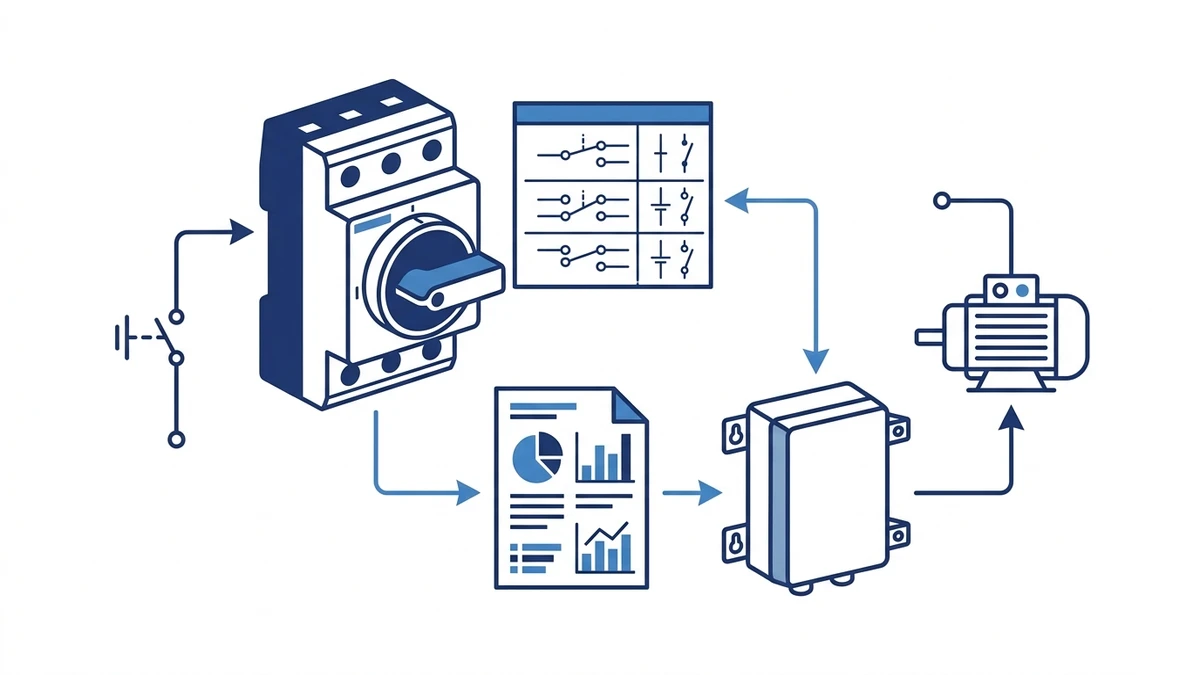
الشكل 3. يجب التحقق من سياق الأسلاك التطبيقية بالمقارنة مع مخطط التلامس الخاص بالشركة المصنعة قبل التنشيط.
تركيب SH30 في لوحة HVAC: شرح تفصيلي عملي
ويعتمد التركيب الصحيح على التسلسل والفحوصات المسبقة بقدر ما يعتمد على التسلسل والفحوصات المسبقة على الأسلاك المادية نفسها.
فحوصات ما قبل التثبيت
قبل لمس أي موصلات، تأكد مما يلي:
تحقق من جهد الإمداد وتصنيف التيار. تم تصنيف SH30 لما يصل إلى 690 فولت تيار متردد. تأكد من أن تيار التحميل الكامل لمحرك المضخة يقع ضمن نطاق التيار المقدر للمفتاح للمتغير الخاص بك.
تأكد من عدد الأقطاب. تتطلب دارات مضخة HVAC ثلاثية الطور تكوين 3 أقطاب؛ وتستخدم الدوائر المساعدة أحادية الطور متغير ثنائي القطب.
افحص فتحة اللوحة. يتطلب المفتاح SH30 فتحة لوحة قياسية بقطر 30 مم. تحقق من أن سُمك اللوحة في حدود التفاوت المسموح به لعمق تركيب المفتاح قبل الحفر.
تحقق من متطلبات تصنيف IP. بالنسبة للألواح الجافة الداخلية، يعتبر IP40 كافياً بشكل عام. بالنسبة للحاويات الخارجية أو حاويات غرف النباتات المعرضة للغسيل أو التكثيف، اختر متغيرًا مصنفًا إلى IP65 أو أعلى.
خطوات التثبيت
الخطوة 1 - قم بفصل الطاقة وقفل الإمداد. قم بتطبيق إجراءات السلامة الكهربائية في موقعك وفقًا لإجراءات السلامة الكهربائية في موقعك قبل فتح اللوحة.
الخطوة 2 - قم بتركيب جسم المفتاح. أدخل SH30 من خلال الفتحة التي يبلغ قطرها 30 مم من الواجهة الأمامية وقم بتأمين صامولة التثبيت من الخلف. اضبط العزم على القيمة المحددة من الشركة المصنعة لتجنب تشقق المبيت.
الخطوة 3 - إنهاء الموصلات من جانب الخط. قم بتوصيل موصلات الطور الواردة إلى الأطراف العلوية. استخدم أطراف الكابلات المجعدة بالطويق على الموصلات المرنة. يتراوح عزم الدوران الطرفي عادةً من 1.2 إلى 1.5 نيوتن*متر للموصلات حتى 6 مم2 - تأكد من ذلك بمقارنة ورقة البيانات.
الخطوة 4 - إنهاء الموصلات من جانب الحمولة. قم بتوصيل الموصلات الصادرة بالأطراف السفلية بنفس تسلسل الطور.
الخطوة 5 - تحقق من وظيفة العزل. مع تنشيط اللوحة تحت الإشراف، قم بتدوير SH30 إلى وضع إيقاف التشغيل وتأكد من الجهد الصفري على أطراف جانب التحميل باستخدام جهاز اختبار جهد معايرة.
الخطوة 6 - ضع علامة على المفتاح. ضع علامة على العازل مع الإشارة المرجعية للدائرة والتيار المقنن والمعدات التي يخدمها. يعد وضع العلامات الواضحة شرطًا أساسيًا بموجب معظم لوائح الأسلاك الوطنية ويقلل من أخطاء الخدمة أثناء الصيانة المستقبلية.
ملاحظات ميدانية
في لوحات التحكم في المضخات، عادةً ما يتم وضع SH30 على المغذي الوارد قبل بادئ تشغيل المحرك أو محرك التردد المتغير، بحيث يمكن لفرق الصيانة إنشاء حالة إيقاف تشغيل محددة دون إزعاج بقية اللوحة.
عند إعادة تركيب SH30 في لوحة موجودة، تحقق من أن جهاز MCB أو الصمامات في المنبع مصنفة لتيار الدائرة القصيرة المحتمل للعازل (PSCC). لا يوفر العازل نفسه أي حماية من الأعطال ويعتمد على جهاز المنبع لهذه الوظيفة.
بالنسبة للمضخات التي تغذيها VFD، يجب وضع SH30 على جانب خط المحرك، وليس على جانب الإخراج. يمكن أن يؤدي تشغيل خرج VFD أثناء تشغيل المحرك إلى تلف كل من المحرك وملامسات العازل. يتم تصنيف معظم عوازل الكامات في هذه الفئة لتبديل التردد الخطي فقط - تأكد من ورقة البيانات إذا كان تطبيقك يتضمن ترددات غير قياسية.
تحسب دورة تشغيل السجل على دوائر المضخات عالية التحمل. تحمل عوازل الكامات في هذه الفئة تصنيف التحمل الميكانيكي؛ الاقتراب من هذا الحد يستدعي الاستبدال المخطط له. تحقق من ورقة بيانات SH30 لمعرفة عدد الدورات المقدرة لمتغيرك المحدد.
للاطلاع على عرض أوسع لخيارات مفاتيح الكامات الدوارة المتوافقة عبر تصنيفات التيار المختلفة، يمكن الاطلاع على مجموعة مفاتيح الكامات الدوارة يغطي جداول المواصفات الكاملة وتكوينات الطلبات.
الامتثال والمعايير: ما يفي به العزل SH30 العزل
إن تحديد المعزل المناسب يعني أيضًا التأكد من استيفائه لإطار المعايير متعدد الطبقات الذي يحكم كلًا من الجهاز والتركيب.
الجدول المرجعي للمعايير
قياسي
الهيئة الحاكمة
ما يغطيها
المتطلبات ذات الصلة
IEC 60947-3:2020+AMD1:2025
IEC
فواصل وعوازل ومفصلات مفاتيح للدوائر ذات الجهد المنخفض
جهد العزل المقنن Ui حتى 1000 فولت تيار متردد؛ قدرة صنع/كسر في فئة الاستخدام AC-23A؛ التحمل الميكانيكي لكل دورة مقدرة
IEC 60529
IEC
تصنيف حماية العبوات من الدخول
تتطلب تركيبات HVAC المقاومة للعوامل الجوية عادةً IP65 كحد أدنى؛ وقد تتطلب بيئات الأسطح أو بيئات الغسيل IP66
IEC 60364-4-4-46
IEC
متطلبات العزل والتبديل للتركيبات الكهربائية
يتطلب وسيلة للعزل تمنع التنشيط غير المتوقع أثناء أعمال الصيانة
AS/NZS 3000:2018
معايير أستراليا/معايير نيوزيلندا/معايير نيوزيلندا
قواعد الأسلاك للتركيبات الكهربائية
يتطلب وجود وسيلة عزل على مرأى من المعدات المخدومة أو يمكن قفلها عنها؛ يجب أن يقطع العازل جميع الموصلات النشطة
كيف تتوافق SH30 مع هذه المتطلبات
تنطبق المواصفة القياسية IEC 60947-3:2020+AMD1:2025 على المفاتيح والمفصلات ومفصلات المفاتيح ووحدات دمج الصمامات لدوائر التوزيع ودوائر المحركات، بجهد مقنن يصل إلى 1000 فولت تيار متردد أو 1500 فولت تيار مستمر. توفر آلية الكامة الدوارة في SH30 حالة إيقاف تشغيل إيجابية مع وجود فجوة فصل تلامسية تفي بمتطلبات التحقق من حالة إيقاف التشغيل المحددة بموجب هذه المواصفة القياسية. هذه الفجوة المادية هي أيضًا ما يدعم إجراءات الإغلاق/التعطيل - القفل على المقبض مع فجوة التلامس المفتوحة التي تم التحقق منها تمنح فرق الصيانة التأكيد المزدوج المطلوب بموجب معظم أنظمة إدارة السلامة في الموقع.
بالنسبة لعزل الخدمة على وجه التحديد، تتطلب المواصفة القياسية IEC 60947-3 أن يحقق العازل مسافة خلوص لا تقل عن 3 مم بين التلامسات المفتوحة عند جهد يصل إلى 415 فولت تيار متردد. توفر آلية SH30 المدفوعة بالكاميرا هذه الخلوص كدالة لهندسة القرص، وليس تقنية المشغل، وهي ميزة موثوقية ذات مغزى مقارنةً بالعوازل من نوع التبديل أو الرافعة حيث يمكن أن تختلف فجوة التلامس باختلاف موضع المقبض.
بالنسبة للمشروعات في أستراليا ونيوزيلندا، يتطلب المعيار AS/NZS 3000:2018 أن يكون جهاز العزل على مرمى البصر من المعدات التي يخدمها أو أن يكون قابلاً للقفل في وضع الفتح. يفي المقبض القابل للقفل في SH30 بمتطلبات القفل؛ كما أن عامل الشكل المدمج يجعل التركيب في نطاق الرؤية عمليًا في معظم تخطيطات غرف المصنع.
تأكد من علامات الاعتماد وتقارير الاختبار مباشرةً مع مهندسي Shieldhz قبل وضع المواصفات النهائية. يجب التحقق من قيم ورقة البيانات الخاصة بفجوة التلامس والتيار المقنن وتصنيف IP في مقابل المتغير المحدد واللوطة، وليس افتراضها من تسمية عائلة المنتج وحدها.
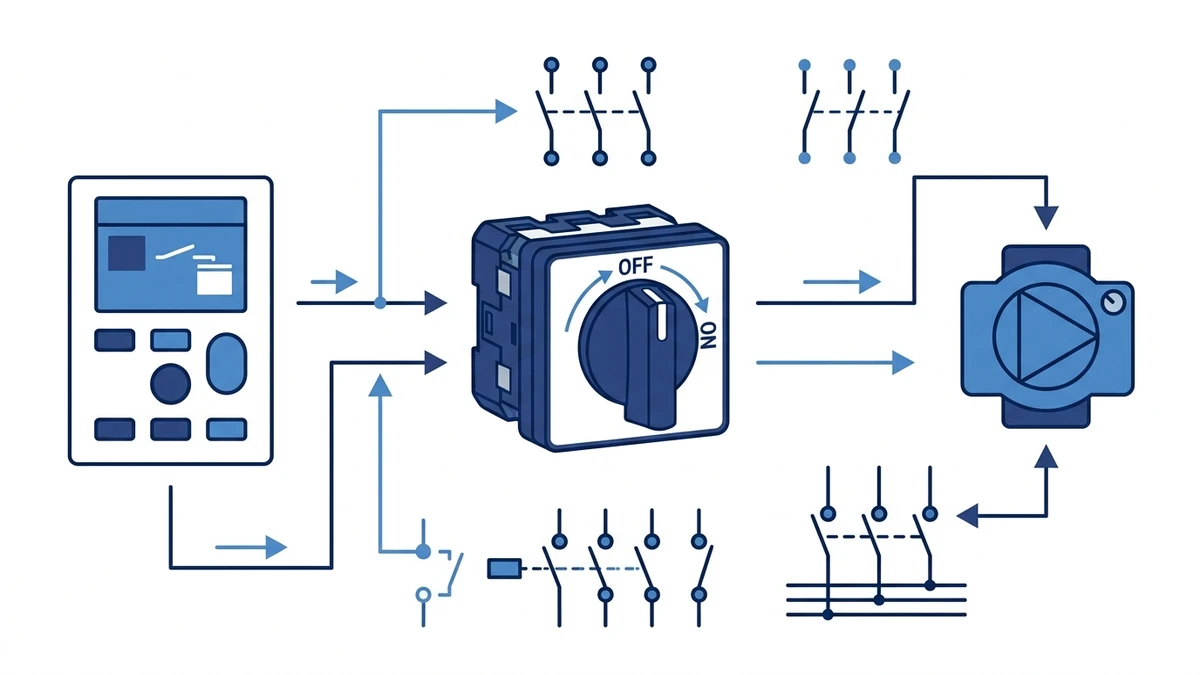
الشكل 4. يجب أن يتضمن الاستفسار الكامل التصنيف وتسلسل التلامس والتركيب والحاوية ومتطلبات المستند.
تحديد مواصفات SH30: قائمة تدقيق للمهندسين وبناة الألواح
بالنسبة للمهندسين الذين يضعون اللمسات الأخيرة على المواصفات، تغطي قائمة المراجعة أدناه المعلمات الأكثر أهمية. يجب التأكد من جميع القيم مقابل ورقة بيانات SH30 للمتغير المحدد الخاص بك قبل الالتزام بقائمة المواد.
التيار المقنن: تأكد من أن المتغير يغطي تيار الحمل الكامل لمحرك المضخة مع الاستثناءات المناسبة لدرجة الحرارة المحيطة وطريقة التركيب
الجهد المقدر: ما يصل إلى 690 فولت تيار متردد لسلسلة SH30 - تأكد من المتغير المحدد مقابل جهد الإمداد الخاص بك
فئة الاستخدام: AC-23A (IEC 60947-3) لأحمال المحركات؛ تأكد من أن ورقة البيانات تدرج هذه الفئة صراحة، وليس فقط AC-22A أو AC-21A
حماية ضد الدخول: IP65 كحد أدنى لغرف المصانع الداخلية؛ IP66 للبيئات الخارجية أو بيئات الغسيل - تحقق من ذلك وفقًا للمواصفة IEC 60529
عدد الأقطاب: 3 أقطاب للدوائر ثلاثية الطور؛ 2 قطب للدوائر أحادية الطور؛ تأكد من متطلبات التلامس الإضافية إذا كان العازل يغذي دائرة تحكم
المقبض القابل للقفل: تأكد من أن المقبض يقبل قطر قفل القفل القياسي المتوافق مع أجهزة LOTO الخاصة بموقعك
تكوين التلامس: إجراء كسر إيجابي يضمن حالة إيقاف تشغيل محددة - تأكد من أن ورقة البيانات تستخدم مصطلح “كسر إيجابي” أو لغة IEC 60947-3 المكافئة
قوة التحمل الميكانيكية: تأكد من عدد الدورات المقدرة مقابل تردد الخدمة المتوقع للتطبيق
نطاق الموصل الطرفي: تأكد من أن الطرف الطرفي يقبل المقطع العرضي للموصل الذي يتطلبه تيار الحمل الكامل للمضخة
الحماية عند المنبع: تأكد من أن الصمامات أو الصمامات الكهربائية متعددة الأغراض (MCB) عند المنبع مصنفة لتيار الدائرة القصيرة المحتمل عند نقطة التركيب
بالنسبة لوثائق المشتريات، اطلب تقرير اختبار SH30 وإعلان المطابقة من Shieldhz عند الطلب. بالنسبة للمشترين من مصنعي المعدات الأصلية الذين يدمجون SH30 في مجموعة لوحة، تأكد من أن PSCC المقدر للمفتاح يطابق مستوى العطل عند نقطة التركيب - هذا حساب على مستوى اللوحة، وليس افتراضًا على مستوى الجهاز.
الكامل سلسلة مفاتيح الكامة الدوارة SH30 تغطي الصفحة تكوينات الأعمدة المتاحة وتقييمات التيار وخيارات الضميمة. بالنسبة للتطبيقات التي تتطلب نطاق تيار مختلف أو تكوين عمود مختلف، يمكن الاطلاع على مجموعة مفاتيح الكامات الدوارة توفر جداول المواصفات عبر مجموعة مفاتيح Shieldhz الكامات الكاملة.
كيفية تعامل Shieldhz مع مشاريع المعزل SH30
بالنسبة لاستفسارات SH30، يبدأ Shieldhz ببيئة التحميل والخدمة. يتحقق الفريق مما إذا كان المفتاح يُستخدم لعزل مضخة التدفئة والتهوية وتكييف الهواء، أو معدات التهوية، أو نقاط خدمة مضخة المياه، أو مسار ضميمة من طراز GS04، أو تطبيق لوحة مقفلة الباب. يتم التأكد من التصنيف الحالي، وفئة عمل التيار المتردد، ومتطلبات الإغلاق القابل للقفل، ورؤية المقبض، ومدخل الكابل، وتصنيف الضميمة، وطريقة التركيب قبل اختيار الطراز.
هذا مهم لأن العازل عادةً ما يكون جزءًا من سير عمل سلامة الصيانة، بينما تظل الحماية من الحمل الزائد والدائرة القصيرة مسؤولية جهاز الحماية من المنبع. يجب على المشترين تقديم لوحة اسم المحرك أو الحمل، وجهد الخط، وموقع الضميمة، ومتطلبات IP المتوقعة، والشهادة أو حزمة وثائق الاختبار المطلوبة. يمكن لشركة Shieldhz بعد ذلك مواءمة متغير SH30 والوثائق مع عملية الشراء والموافقة على اللوحة.
الأسئلة الشائعة
ما الفرق بين مفتاح عزل الحمل وقاطع الدائرة الكهربائية؟
تم تصميم مفتاح عزل الحمل مثل SH30 فقط لإنشاء حالة إيقاف تشغيل آمنة وقابلة للتحقق منها للوصول إلى الصيانة. لا يحتوي على حماية مدمجة من الأعطال ولن ينطلق عند حدوث التيار الزائد أو قصر الدائرة الكهربائية. قاطع الدائرة الكهربائية هو جهاز حماية ينطلق تلقائيًا عند حدوث التيار الزائد أو قصر الدائرة، ولكنه غير مصنف كعازل خدمة بموجب المواصفة القياسية IEC 60947-3. في دائرة مضخة HVAC المصممة بشكل صحيح، يوجد كلا الجهازين: قاطع الدائرة الكهربائية في المنبع للحماية من الأعطال، والعازل في المصب للوصول الآمن للخدمة.
هل يمكن استخدام SH30 كجهاز الحماية الوحيد في دائرة مضخة HVAC؟
لا. يوفر SH30 العزل فقط ويجب أن يقترن بجهاز حماية من التيار الزائد في المنبع مثل MCB أو عازل الصمامات. يعالج جهاز المنبع انقطاع العطل، بينما يعالج جهاز SH30 العزل الآمن للخدمة في اتجاه التيار. يؤدي استخدام عازل بدون حماية من العطل في المنبع إلى ترك الدائرة غير محمية ضد ظروف قصر الدائرة الكهربائية والحمل الزائد.
ما هو تصنيف IP الذي يحمله SH30، وأين يكون مناسبًا؟
يختلف تصنيف IP حسب المتغير - تأكد من ورقة البيانات الخاصة بتكوين SH30 المحدد الخاص بك. تتوفر المتغيرات المقاومة للعوامل الجوية مصنفة إلى IP65 أو IP66، مما يجعلها مناسبة لغرف المصانع الخارجية ووحدات مناولة الهواء على السطح والمرفقات المعرضة لنفاثات المياه الموجهة أو التكثيف الشديد. التطبيقات التي تتطلب حماية مؤقتة من الغمر تحتاج إلى حاوية مصنفة IP67. لا تفترض تصنيف IP من اسم عائلة المنتج وحده؛ تحقق من ذلك في ورقة بيانات المتغير.
كم عدد دورات التشغيل التي تم تصنيف SH30 لها؟
يختلف التحمل الميكانيكي حسب المتغير ويجب التأكد من ذلك في ورقة بيانات SH30 للتكوين الخاص بك. تحدد المواصفة القياسية IEC 60947-3 الحد الأدنى لمتطلبات التحمل الميكانيكي لمفصلات المفاتيح في هذه الفئة. بالنسبة لدارات المضخات عالية التحمل حيث يتم تشغيل العازل بشكل متكرر، فإن تتبع العمليات التراكمية مقابل رقم التحمل المقدر هو ممارسة صيانة جيدة ويدعم الاستبدال المخطط له قبل انتهاء العمر الافتراضي.
هل يدعم الموديل SH30 إجراءات الإغلاق/التعليق؟
نعم، يقبل مقبض SH30 قفلًا في وضع إيقاف التشغيل، مما يفي بمتطلبات القفل المادي الشائعة في أنظمة إدارة السلامة في الموقع. هذه الميزة القابلة للقفل، بالإضافة إلى آلية التلامس الإيجابي للكسر التي توفر فجوة في حالة الفتح يمكن التحقق منها، تمنح فرق الصيانة التأكيد المزدوج - القفل المادي بالإضافة إلى التحقق الكهربائي - المطلوب بموجب معظم إجراءات العمل الآمنة للمنشآت الكهربائية.
ما هي أحجام الموصلات المتوافقة مع أطراف التوصيل SH30؟
تقبل أطراف SH30 عادةً الموصلات في نطاق 1.5 مم 2 إلى 6 مم 2، مما يغطي متطلبات تيار الحمل الكامل لمحركات مضخة HVAC من حوالي 0.37 كيلو وات إلى 7.5 كيلو وات. تأكد من نطاق القبول الطرفي في ورقة البيانات لمتغيرك المحدد. يجب إنهاء الموصلات المرنة باستخدام تجعيد الطويق لمنع تشتت الخيوط تحت المسمار الطرفي، وهو السبب الأكثر شيوعًا لفشل التوصيل في أطراف العازل في لوحات المضخات.
هل SH30 مناسب لدوائر خرج محرك التردد المتغير؟
لا. تم تصنيف SH30 للتبديل بتردد الخط ويتم وضعه بشكل صحيح على جانب الخط من محرك VFD، وليس جانب الإخراج. قد يؤدي تشغيل خرج VFD أثناء تشغيل محرك الأقراص إلى تلف كل من مرحلة خرج محرك الأقراص وملامسات العازل. يجب استخدام SH30 لعزل الإمداد إلى المحرك. إذا كان يجب عزل محرك الأقراص عن المحرك للصيانة، فيجب استخدام عازل منفصل مصنف للمحرك على جانب الإخراج - تم التأكد من أنه مناسب لتبديل خرج VFD. تأكد من هذا التطبيق مع مهندسي Shieldhz قبل تحديد المواصفات.
شي، موكسي
يكتب شي، موكسي مقالات شيلدهز الفنية لمشتري التحكم الصناعي والمكونات الكهربائية، والتي تغطي مفاتيح الكامات الدوارة، ومفاتيح العازل، ومفاتيح فصل التيار المستمر الكهروضوئية، وأزرار الضغط، وأضواء المؤشر، والحاويات المقاومة للماء، والكتل الطرفية. تستند المقالات على خبرة شركة Zhejiang Shihe Electric Co., Ltd. في التصنيع والتصدير، مع التركيز العملي على اختيار الطراز وأوراق البيانات والرسومات والشهادات وتصنيفات IP وتفاصيل الاستفسار التي يجب على المشترين التأكد منها قبل الطلب.