Что такое IEC 60947-5-1? Кнопки и основы устройства цепей управления
Стандарт IEC 60947-5-1 является базовым стандартом, на котором основаны многие устройства цепей управления, в том числе кнопочные переключатели и их контактные блоки.
IEC 60947-5-1 - это международный стандарт, определяющий, как должны быть спроектированы, рассчитаны, испытаны и промаркированы электромеханические устройства цепей управления - кнопки, селекторные переключатели, индикаторные лампы и их контактные блоки. Если вы заказываете или покупаете любой из этих компонентов для панели управления или машины, именно этот стандарт определяет, что означают цифры в техническом паспорте и что должна говорить вам маркировка на корпусе устройства. Издание 2024 (пятое издание, опубликовано 2024-03-26) является текущей версией. Она отменяет и заменяет четвертое издание от 2016 года.
Что на самом деле охватывает IEC 60947-5-1
Полное название - “Низковольтные распределительные устройства и устройства управления - Часть 5-1: Устройства цепей управления и коммутационные элементы - Электромеханические устройства цепей управления”. Он входит в семейство стандартов IEC 60947, которое в целом охватывает низковольтные распределительные устройства и устройства управления. В части 5-1 речь идет именно об устройствах, используемых для управления, сигнализации и блокировки других распределительных устройств и устройств управления, а не о самих силовых коммутационных устройствах.
Стандарт распространяется на устройства цепей управления с:
Номинальное напряжение не более 1000 В переменного тока при частоте до 1000 Гц
Номинальное напряжение не более 600 В постоянного тока
Это охватывает подавляющее большинство цепей управления 24 В постоянного тока, 110 В переменного тока и 230 В переменного тока, используемых в промышленных щитах по всему миру.
Стандарт не распространяется на все устройства, похожие на кнопки. Устройства, предназначенные в основном для бытового или аналогичного использования, подпадают под другие стандарты IEC. Всегда проверяйте, что конкретный продукт протестирован и маркирован в соответствии с IEC 60947-5-1, а не более легким стандартом.
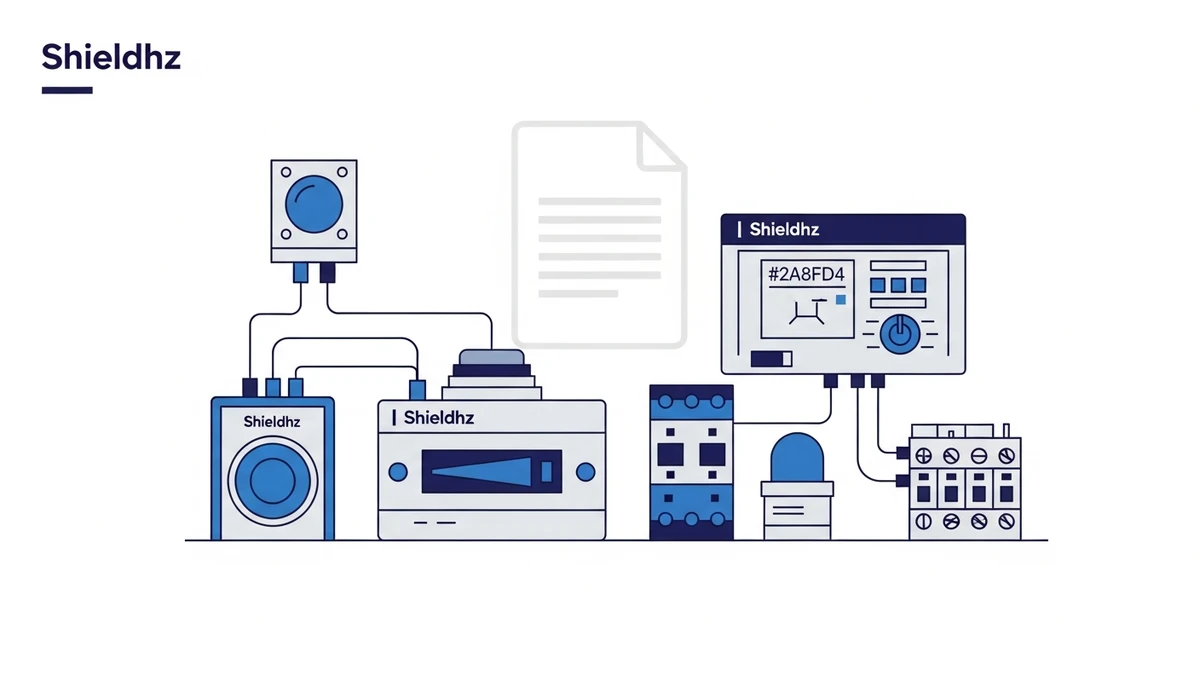
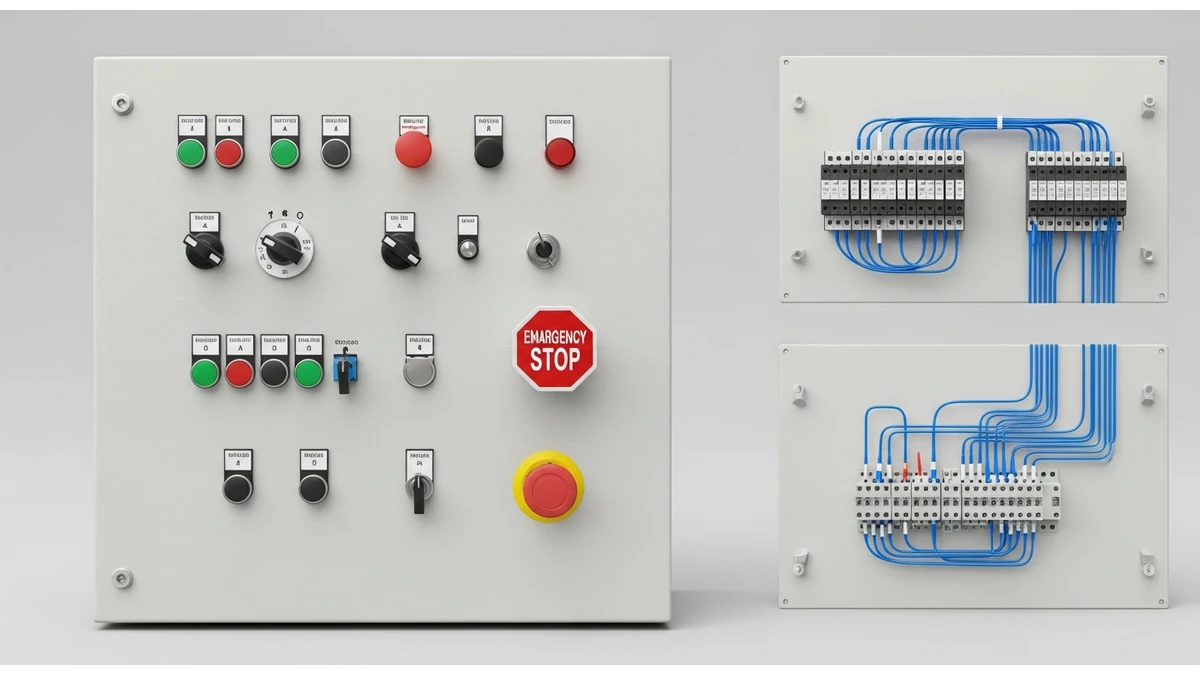
Рисунок 1. Стандарт распространяется на устройства цепей управления, используемые для управления, сигнализации, блокировки и связанных с ними функций панелей.
Оборудование, которое покрывает стандарт
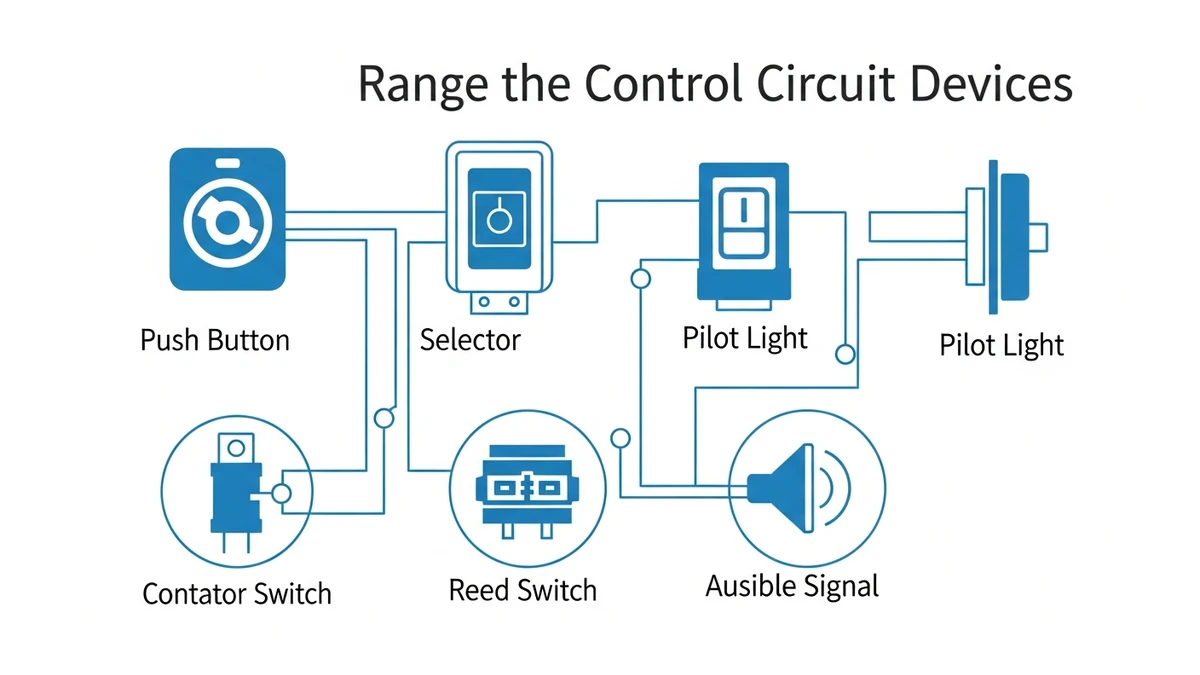
Стандарт IEC 60947-5-1 применяется к определенному набору типов устройств. Понимание того, какие устройства подпадают под этот стандарт, поможет вам знать, что требовать от поставщика.
Нажимные кнопки и приводы с грибовидной головкой - кратковременные или постоянные, скрытые или расширенные, с подсветкой или без нее. Это наиболее распространенные устройства. См. Ассортимент кнопок Shieldhz примеры того, как они каталогизируются на практике.
Селекторные переключатели - двухпозиционные и трехпозиционные поворотные типы, варианты с кнопочным и кулачковым приводом. Они могут быть с мгновенным возвратом или с поддерживаемым положением.
Индикаторные и контрольные лампы - сигнальные лампы и светодиодные индикаторы, используемые для отображения состояния машины. К ним предъявляются требования к конструкции и маркировке, включая напряжение освещения.
Контактные блоки - электрические коммутационные элементы, которые крепятся к головкам приводов. Контактный блок - это то, что фактически создает или разрывает цепь. Стандарт определяет, как контактные блоки должны быть оценены, испытаны и промаркированы независимо от привода.
Магнитные переключатели с герконовым контактом - В издании 2024 года они явно рассматриваются, что отражает их растущее применение в датчиках положения и блокировочных устройствах.
Устройства звуковой сигнализации - зуммеры и аналогичные устройства, используемые для оповещения. В пересмотре 2024 года для них добавлены специальные требования к информации.
Устройства цепи класса II - устройства, обеспечивающие безопасность за счет двойной или усиленной изоляции, а не защитного заземления. В издании 2024 года добавлены специальные требования для этой категории.
Как соединяются кнопки, селекторные переключатели, контактные блоки и индикаторные лампы
Большинство устройств IEC 60947-5-1 являются модульными. Головка привода (часть, к которой прикасается оператор) монтируется в вырез панели и принимает один или несколько контактных блоков с задней стороны. Индикаторные лампы имеют одинаковый формат корпуса во многих семействах устройств и имеют одинаковый диаметр выреза.
Диаметр выреза в панели это одна из первых вещей, которую необходимо проверить. Распространенные размеры - 16 мм, 22 мм и 30 мм. Смешивание головок приводов и контактных блоков разных производителей возможно только в том случае, если механический интерфейс совместим - не думайте, что это так. Уточните этот вопрос у поставщика.
Контактные блоки рассчитываются отдельно. К одной головке привода можно подключить один, два или более контактных блоков, сложенных вместе. Каждый блок имеет свой номинал по току и напряжению. Общее количество контактов в цепи не должно превышать номинала блока.
Для более глубокого изучения того, как механически и электрически работают узлы нажимных кнопок, можно обратиться к разделу Руководство по нажатию кнопки Shieldhz охватывает основы в доступной форме.
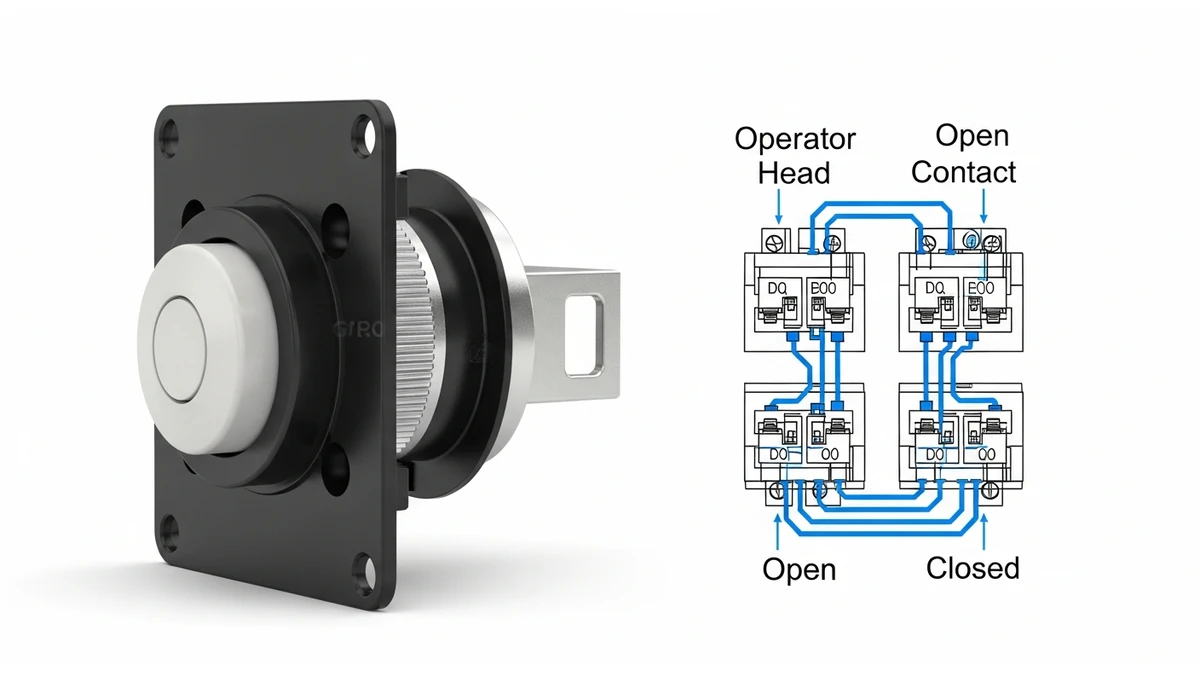
Рисунок 2. Блок контактов NO и NC определяет, какой сигнал получает схема управления, когда оператор приводит устройство в действие.
Логика контактов: НО, НЗ, поддерживаемый, мгновенный, подсвечиваемый
Неправильное определение логики контактов - одна из самых распространенных ошибок при подключении панелей. IEC 60947-5-1 точно определяет терминологию.
Нормально открытая (NO) - контакт разомкнут (цепь разорвана), когда привод находится в положении покоя. При нажатии кнопки контакт замыкается. Используется для команд запуска.
Нормально закрытый (NC) - контакт замкнут (цепь разомкнута), когда привод находится в положении покоя. При нажатии на кнопку контакт размыкается. Используется для команд останова и блокировки.
Мгновенное действие - контакт возвращается в состояние покоя при отпускании привода. Стандартные кнопки являются кратковременными.
Поддерживаемое действие (фиксация) - контакт остается в рабочем состоянии после отпускания привода. Для возврата требуется повторная операция. Селекторные переключатели обычно поддерживаются в рабочем состоянии.
Подсвечиваемые кнопки и селекторные переключатели - содержат встроенную лампу или светодиод. Цепь подсветки отделена от контактной цепи. Напряжение подсветки должно быть подтверждено независимо. Контактный блок на 24 В постоянного тока не означает, что лампа рассчитана на 24 В постоянного тока - проверьте спецификацию напряжения лампы в техническом паспорте.
Для логики контактов селекторного переключателя и кулачковых конфигураций Обзор селекторного переключателя Shieldhz объясняет, как положение кулачков соотносится с состоянием контактов.
Для индикаторных ламп основными параметрами выбора являются напряжение подсветки, цвет светодиодов и тип линзы. Сайт Руководство по эксплуатации индикатора Shieldhz подробно рассказывает о них.
Номиналы и маркировка, которые необходимо проверить в технических паспортах и на корпусах устройств
В стандарте IEC 60947-5-1 указано, что должно быть обозначено на устройстве или его упаковке. При получении изделия необходимо проверить именно эти элементы.
Номинальное рабочее напряжение (Ue) - напряжение, на которое рассчитан контакт при переключении под нагрузкой. Это не то же самое, что напряжение изоляции. Убедитесь, что Ue соответствует напряжению цепи управления.
Номиналы переменного и постоянного тока разделены. Блок контактов, рассчитанный на 240 В переменного тока / 10 А, автоматически не рассчитан на 240 В постоянного тока. Постоянный ток сложнее прервать, потому что нет естественного пересечения нуля тока. Всегда проверяйте номинал постоянного тока, если ваша цепь работает на постоянном токе.
Номинальный рабочий ток (Ie) - ток, который может выдать и прервать контакт при номинальном напряжении. Проверьте это значение по фактической нагрузке, включая пусковой ток для индуктивных нагрузок.
Категория использования - В IEC 60947-5-1 определены такие категории, как AC-15 (управление электромагнитными нагрузками, переменный ток) и DC-13 (управление электромагнитными нагрузками, постоянный ток). Эти категории определяют условия испытаний, в которых проверялся контакт. Подберите категорию в соответствии с типом нагрузки.
Механическая прочность - количество рабочих циклов, на которое рассчитано устройство без электрической нагрузки. Типичные значения составляют от 1 млн до 10 млн циклов в зависимости от продукта.
Электрическая прочность - количество рабочих циклов при номинальной нагрузке. Этот показатель всегда ниже, чем механическая выносливость. Для приложений с большим числом циклов предельным показателем является электрическая выносливость.
Маркировка клемм - Согласно стандарту IEC 60947-5-1 клеммы должны быть промаркированы, чтобы можно было проследить цепь. Размыкающие контакты обычно маркируются цифрами, оканчивающимися на 3 и 4 (например, 13-14). НЗ контакты обычно маркируются цифрами, заканчивающимися на 1 и 2 (например, 11-12). Убедитесь, что схема маркировки соответствует документации на проводку.
Степень защиты IP - степень защиты от проникновения внутрь собранного устройства в вырезе панели. Степень защиты IP только головки привода не совпадает со степенью защиты IP всей сборки. Убедитесь, что степень защиты IP указана для собранной конфигурации.
Степень защиты (корпус) - относится к IP, но также охватывает ударопрочность. Для суровых условий эксплуатации проверьте оба параметра.
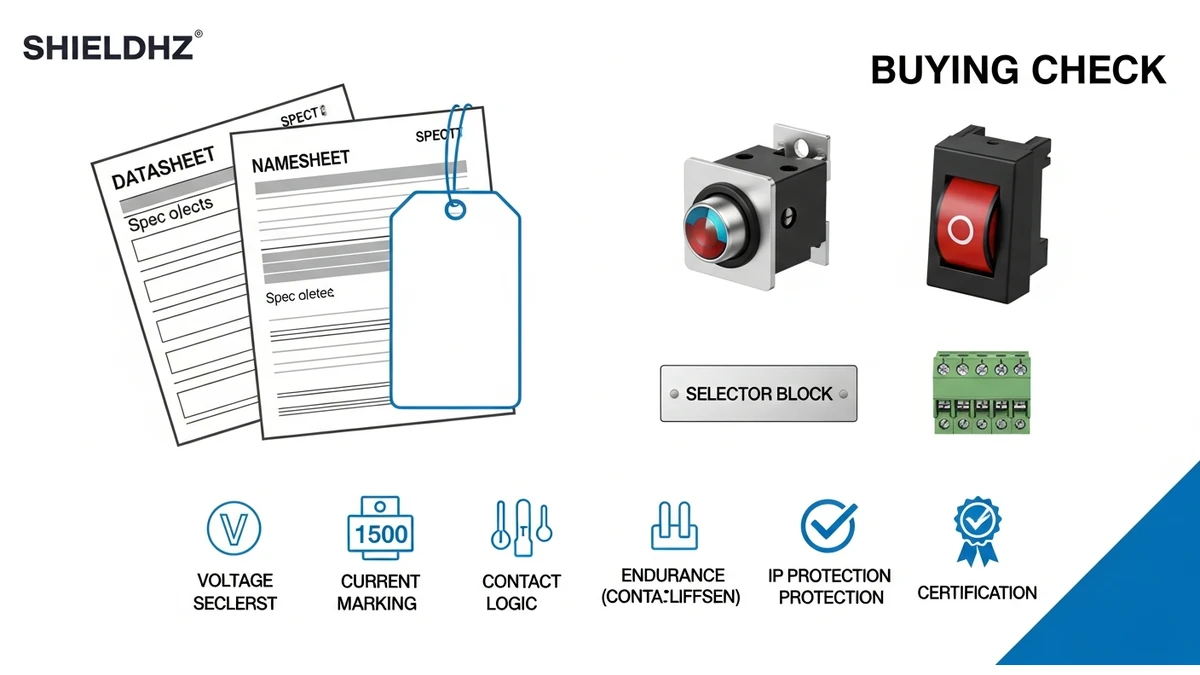
Рисунок 3. Проверки по техническому паспорту включают напряжение, конфигурацию контактов, маркировку выводов, срок службы, напряжение подсветки и требования к корпусу.
Условия эксплуатации, электромагнитная совместимость и указания по безопасности в издании 2024 года
В редакции 2024 года обновлено несколько технических областей, имеющих значение для выбора и установки продукта.
Нормальные условия эксплуатации, включая удары и вибрацию - в издании 2024 года пересмотрены требования к ударам и вибрации. Если ваша область применения связана со значительной вибрацией (станки, мобильное оборудование, компрессоры), убедитесь, что продукт прошел испытания на соответствие требованиям к вибрации в текущем издании, а не в более старом.
Требования к электромагнитной совместимости - Устройства цепей управления могут быть источниками кондуктивных и излучаемых помех, а также могут быть подвержены помехам от частотно-регулируемых приводов и других источников. В издании 2024 года рассматриваются требования ЭМС. В панелях с ЧРП или другими источниками помех это имеет значение.
Испытания на вытягивание - В издании 2024 добавлены или пересмотрены требования к испытаниям на выдергивание для контактных блоков и узлов приводов. Это актуально для тех случаев, когда вибрация или натяжение кабеля могут выбить контактный блок из привода.
Устройства класса II - Если для вашего применения требуется двойная или усиленная изоляция (определенные цепи безопасности, директивы по машинному оборудованию), убедитесь, что изделие относится к классу II по IEC 60947-5-1:2024, а не просто считается безопасным, поскольку имеет пластиковый корпус.
Магнитные переключатели с герконовым контактом - Если вы используете магнитные выключатели для определения положения или блокировки дверей, убедитесь, что они соответствуют стандарту IEC 60947-5-1, и проверьте конкретные характеристики расстояния и силы магнитного срабатывания.
Красные кнопки с грибовидной головкой обычно используются в качестве устройств аварийного останова. Стандарт IEC 60947-5-1 описывает электромеханическую конструкцию и номиналы таких кнопок. Сам по себе он не делает устройство соответствующим требованиям аварийного останова.
Функции аварийного останова регулируются стандартом IEC 60947-5-5 (механическая защелка, требования к прямому размыканию) и стандартами безопасности машин, такими как ISO 13850. Устройство, используемое в качестве аварийного останова, должно отвечать требованию прямого размыкания - это означает, что размыкающий контакт должен размыкаться при срабатывании привода, независимо от сварки контактов или разрушения пружины.
Не думайте, что любая красная грибовидная кнопка подходит для аварийного останова. Убедитесь, что конкретное изделие имеет номинал и маркировку для работы в режиме аварийной остановки, а также проверьте соответствие применимому стандарту безопасности оборудования для вашего применения. Местные нормы и директива по машинному оборудованию или ее эквивалент в вашей юрисдикции могут предъявлять дополнительные требования.
Рисунок 4. Кнопки, селекторные переключатели и индикаторные лампы служат интерфейсом оператора для управления машиной и панелью.
Продукты Shieldhz в этой категории
Компания Shieldhz поставляет кнопки, индикаторы и селекторные переключатели, предназначенные для промышленных панелей управления. Если вы оцениваете продукцию Shieldhz по стандарту IEC 60947-5-1:2024, то действия такие же, как и для любого другого поставщика:
Получите технический паспорт изделия и убедитесь, что в нем указаны номинальное рабочее напряжение, ток, категория использования, механическая прочность и электрическая прочность.
Убедитесь, что продукт прошел испытания на соответствие стандарту IEC 60947-5-1:2024 или более ранней редакции, а также в наличии сертификата испытаний или декларации соответствия.
Убедитесь, что степень защиты IP указана для всей конфигурации в сборе в вырезе панели, а не только для головки привода.
Для устройств с подсветкой подтвердите напряжение лампы или светодиода отдельно от напряжения на контактах.
Для применения в системах аварийного отключения убедитесь, что устройство имеет соответствующую маркировку прямого действия и отвечает требованиям IEC 60947-5-5.
При принятии решений о соответствии не полагайтесь на изображения изделий или общие описания в каталоге. Запросите технический паспорт и сертификат на конкретный номер детали.
Эти ошибки регулярно появляются при сборке и закупке панелей:
Использование контактов с номиналом переменного тока в цепях постоянного тока без проверки номинала постоянного тока. Прерывание постоянного тока более требовательно. Номинал постоянного тока почти всегда ниже номинала переменного тока при том же напряжении.
Предполагается, что все 22-миллиметровые изделия разных брендов взаимозаменяемы. Диаметр выреза может совпадать, но интерфейс контактной колодки, монтажная глубина и совместимость аксессуаров часто не совпадают.
Задание напряжения освещения по предположению. Наличие схемы управления 24 В постоянного тока не означает, что лампа работает от 24 В постоянного тока. Некоторые семейства изделий предлагают лампы на 24 В, 110 В и 230 В в одном корпусе. Заказ лампы с неправильным напряжением - распространенная ошибка.
Игнорирование электрической выносливости для приложений с высоким циклом работы. Показатели механической выносливости выглядят впечатляюще. Для долговечности важна электрическая прочность при номинальной нагрузке.
Рассматривать степень защиты IP головки привода как степень защиты IP всего узла. Необходимо также учитывать заднюю часть сборки, включая контактные блоки и проводку. Степень защиты IP всего узла в его вырезе - это то, что защищает цепь.
Не проверяется издание стандарта, по которому был испытан продукт. В издание 2024 года внесены изменения. При разработке новых конструкций подтвердите, что продукт был протестирован в соответствии с текущим изданием, если это имеет значение для вашей документации по соответствию.
Практический контрольный список для покупки
Прежде чем сделать заказ на кнопки, селекторные переключатели или индикаторные лампы, убедитесь в следующем:
Номинальное рабочее напряжение (Ue) соответствует напряжению цепи управления
Номинал переменного или постоянного тока, подтвержденный для вашего типа цепи
Категория использования (AC-15, DC-13 и т.д.) соответствует типу нагрузки
Номинальный рабочий ток (Ie) покрывает фактическую нагрузку, включая пусковой ток
Конфигурация контактов (НО, НЗ или комбинация) соответствует электрической схеме
Количество контактных блоков на один привод подтверждено
Диаметр выреза в панели подтвержден (16 мм, 22 мм или 30 мм)
Напряжение подсветки подтверждается отдельно (при наличии подсветки)
Степень защиты IP подтверждена для собранной конфигурации
Показатели механической и электрической прочности рассмотрены с учетом частоты циклов
Схема маркировки клемм подтверждена документацией по электропроводке
Сертификат испытаний или декларация соответствия для конкретного номера детали
Устройства аварийного останова проверены на соответствие стандарту IEC 60947-5-5 и применимым стандартам безопасности оборудования
Требования местных электротехнических норм и директивы по машинному оборудованию проверяются самостоятельно
Часто задаваемые вопросы
Что такое IEC 60947-5-1?
IEC 60947-5-1 - это стандарт IEC на электромеханические устройства цепей управления и коммутационные элементы. Он распространяется на кнопки, селекторные переключатели, индикаторные лампы, контактные блоки и связанные с ними устройства, используемые в низковольтных цепях управления. Он определяет, как эти устройства должны быть рассчитаны, сконструированы, испытаны и промаркированы. Текущее издание - пятое, опубликовано 2024-03-26.
На какой диапазон напряжений распространяется IEC 60947-5-1?
Стандарт распространяется на устройства с номинальным напряжением до 1000 В переменного тока (при частоте до 1000 Гц) и до 600 В постоянного тока. Это охватывает напряжения цепей управления, используемые в подавляющем большинстве промышленных панелей, включая 24 В постоянного тока, 48 В постоянного тока, 110 В переменного тока и 230 В переменного тока.
В чем разница между нормально открытым и нормально закрытым контактом?
Нормально разомкнутый (NO) контакт разомкнут (цепь разорвана), когда привод находится в состоянии покоя, и замыкается при работе. Нормально замкнутый (НЗ) контакт замкнут (цепь разомкнута), когда привод находится в состоянии покоя, и размыкается при работе. Это различие очень важно для логики управления: в цепях пуска обычно используются нормально разомкнутые контакты, а в цепях останова и блокировки - нормально замкнутые контакты.
Охватывает ли IEC 60947-5-1 кнопки аварийной остановки?
Он охватывает электромеханическую конструкцию и номиналы кнопочных устройств, включая устройства с грибовидной головкой. Однако требования к функциям аварийного останова - в частности, требование к прямому открытию - рассматриваются в IEC 60947-5-5. Устройства аварийной остановки также должны соответствовать стандартам безопасности машин, таким как ISO 13850. Красная грибовидная кнопка не является автоматически соответствующим устройством аварийной остановки.
Что изменилось в издании 2024 года по сравнению с изданием 2016 года?
В пятом издании 2024 года пересмотрены или добавлены требования в нескольких областях: область применения и исключения, требования к цепям управления, нормальные условия эксплуатации (удары и вибрация), информация и маркировка, конструктивные требования и испытания, связанные с безопасностью, требования к ЭМС, магнитные выключатели с герконом, устройства цепи класса II, испытания на выдергивание, информация об устройствах звуковой сигнализации, а также новое приложение O. Если в вашей документации на соответствие требованиям указано четвертое издание (2016), проверьте, влияют ли изменения в издании 2024 года на ваше конкретное применение.
Почему в технических описаниях контактных блоков номиналы переменного и постоянного тока указаны отдельно?
Цепи постоянного тока сложнее прервать, чем цепи переменного тока при том же напряжении, потому что переменный ток дважды за цикл проходит через ноль, что естественным образом гасит дугу. У постоянного тока нет пересечения нуля, поэтому дуга должна гаситься механически. Это означает, что контактный блок, рассчитанный на 240 В переменного тока / 10 А, обычно имеет меньшее номинальное напряжение или ток постоянного тока. Всегда проверяйте номинал постоянного тока для цепей управления постоянного тока.
Какую степень защиты IP следует указать для кнопок в панели управления?
Это зависит от условий окружающей среды. IP65 - это обычный минимум для панелей, подвергающихся воздействию моющих средств или значительного количества пыли. IP67 или IP69K может потребоваться для пищевой промышленности или наружного применения. Степень защиты IP должна быть подтверждена для всего собранного устройства в вырезе панели, а не только для головки привода. Убедитесь, что степень защиты IP всего устройства в сборе соответствует требованиям среды установки и применимым местным стандартам, указанным в техническом описании изделия.
Окончательный вывод
IEC 60947-5-1 дает вам последовательную основу для понимания того, что на самом деле означают цифры в техническом паспорте кнопки или контактного блока. Актуальным является издание 2024 года. Когда вы уточняете или покупаете устройства для цепей управления, стандарт подсказывает, что нужно запрашивать: номинальное рабочее напряжение, категорию использования, конфигурацию контактов, показатели выносливости, степень защиты IP для сборки, а также сертификат испытаний, привязанный к конкретному номеру детали. В случае применения аварийного останова следует пойти дальше и проверить соответствие стандарту IEC 60947-5-5 и применимому стандарту безопасности оборудования. Окончательный выбор все равно должен быть проверен на соответствие оценке безопасности оборудования, техническому описанию продукта, условиям установки и местным нормам. Приведенный выше контрольный список охватывает практические шаги. Если вам нужно проверить, на что распространяется конкретное изделие Shieldhz, начните с технического описания и декларации соответствия для данного номера детали.
Ши, Мукси
Ши, Мукси пишет технические статьи Shieldhz для покупателей промышленных систем управления и электрических компонентов, охватывая поворотные кулачковые переключатели, разъединители, PV DC разъединители, кнопки, индикаторные лампы, водонепроницаемые корпуса и клеммные блоки. Статьи основаны на опыте производства и экспорта компании Zhejiang Shihe Electric Co., Ltd., с практическим акцентом на выборе модели, технических характеристиках, чертежах, сертификации, рейтингах IP и деталях запроса, которые покупатели должны подтвердить перед заказом.