Изолятор нагрузки SH30 против поворотного кулачкового переключателя: Какой маршрут подходит для нагрузки
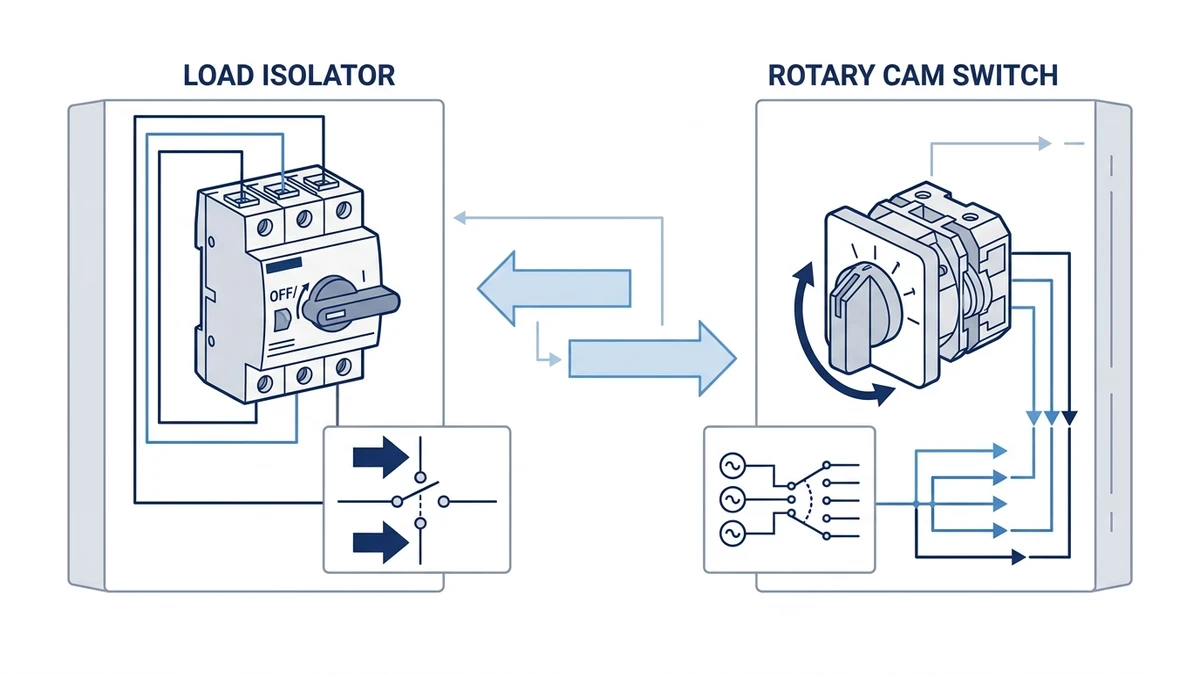
Переключатели SH30 и поворотные кулачковые переключатели устанавливаются на одной панели, но служат для решения разных задач: локальной изоляции или управляемого выбора цепей.
Выбор между разъединителем нагрузки и поворотным кулачковым переключателем сводится к одному вопросу: требуется ли в данной ситуации четко определённое состояние «выключено» или же необходимы переключаемые пути прохождения тока? Разъединитель нагрузки обеспечивает единственную точку отключения с возможностью блокировки, рассчитанную на безопасное отключение под нагрузкой. Поворотный кулачковый переключатель предоставляет несколько фиксированных положений для распределения тока по различным конфигурациям цепи. Один изолирует. Другой переключает. Оба относятся к категории IEC 60947-3:2020+AMD1:2025, который распространяется на выключатели, разъединители, выключатели-разъединители и комбинированные устройства с предохранителями для распределительных и двигательных цепей с номинальным напряжением до 1000 В переменного тока или 1500 В постоянного тока. Неправильный подбор оборудования приводит к увеличению затрат, нарушению требований нормативных документов и может создавать угрозу безопасности на уровне распределительного щита.
Основные отличия вкратце
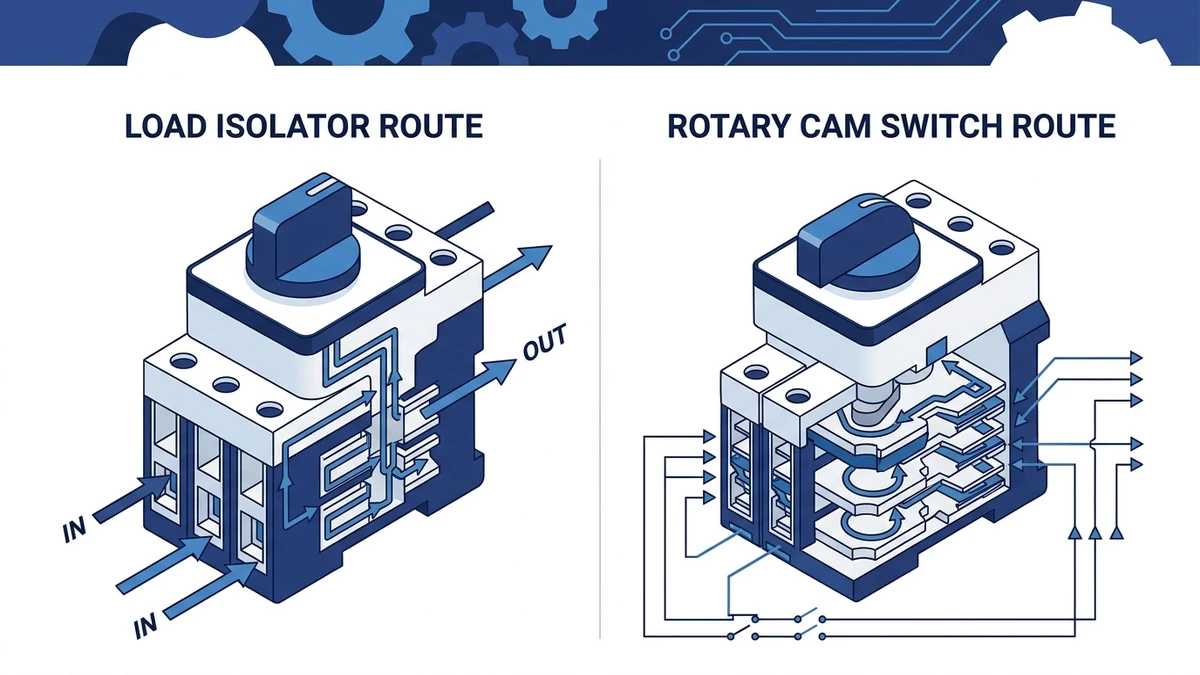
Изолятор нагрузки SH30 представляет собой двухпозиционное устройство: «ВКЛ.» или «ВЫКЛ.». Его задача — обеспечить подтвержденное обесточенное состояние перед началом работ по техническому обслуживанию. Корпус предназначен для установки в условиях, подверженных воздействию погодных факторов, однако точный класс защиты IP зависит от варианта корпуса и деталей монтажа; перед выбором распределительных щитов для наружной установки, технических помещений на крышах зданий или зон, подверженных воздействию воды, необходимо уточнить текущий класс защиты погодостойкого корпуса Shieldhz SH30.
В поворотном кулачковом переключателе используются прецизионно обработанные кулачковые диски с шагом индексации 45 или 90 градусов, которые обеспечивают замыкание нескольких контактных мостов в каждом положении. В центре управления двигателями такая архитектура позволяет одному переключателю обеспечивать выбор режимов «вперед/выключено/назад», последовательности запуска «звезда-треугольник» или управление несколькими скоростями — функции, для выполнения которых двухпозиционный разъединитель никогда не был предназначен.
В типичном промышленном шкафу управления разъединитель нагрузки устанавливается на входном фидере. Поворотный кулачковый переключатель располагается ниже по цепи, где в режиме нормальной работы принимаются решения о маршрутизации цепей. Правильное размещение этих устройств в иерархии шкафа — первый шаг к созданию конструкции, соответствующей требованиям и удобной в обслуживании.
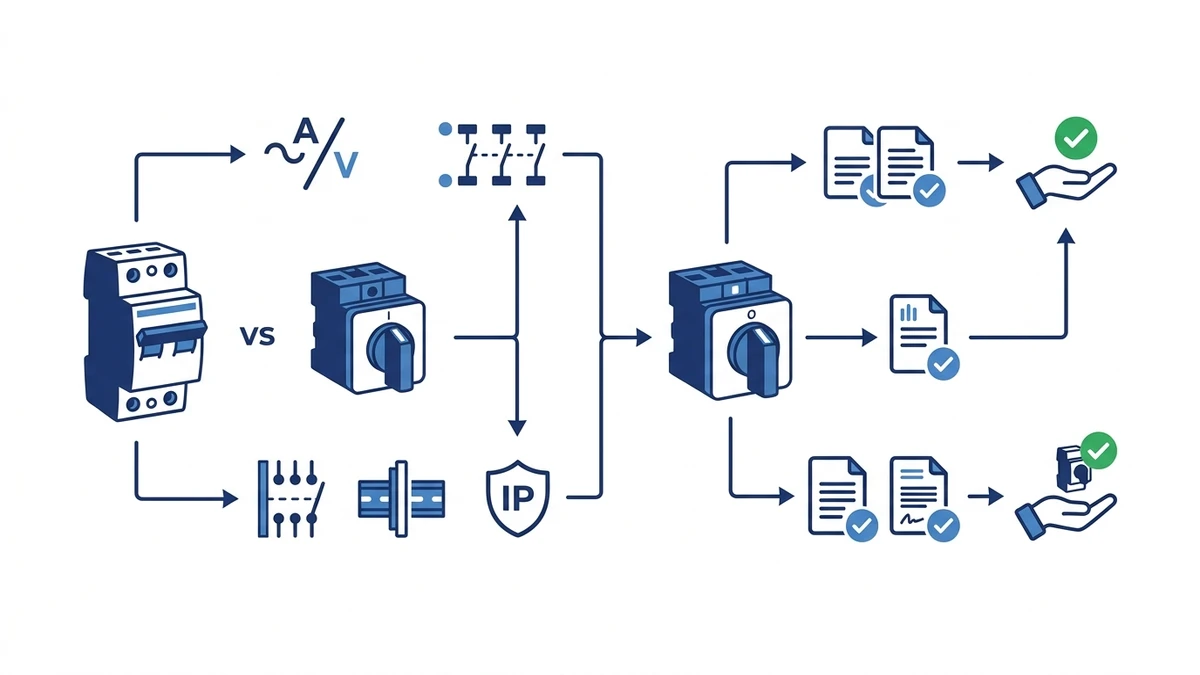
Рисунок 1. Основная концепция, лежащая в основе выбора между изолятором нагрузки и поворотным кулачковым выключателем.
Технические характеристики: сравнение
Параметр
Изолятор нагрузки SH30
Поворотный кулачковый переключатель (серия SH30)
Номинальный ток
До 100 А
от 16 А до 63 А (в зависимости от серии)
Поляки
2P, 3P, 4P
От 1P до 4P, многопозиционный
Категория использования
AC-22A / AC-23A
AC-21A / AC-23A
Номинальное напряжение изоляции (Ui)
До 690 В переменного тока
До 690 В переменного тока
Степень защиты по IP
IP65 / IP67
От IP40 до IP65 (в зависимости от корпуса)
Связаться с Gap
Полная гальваническая развязка, зазор ≥ 3 мм
Обычно от 2 до 4 мм (см. технические характеристики)
Стандарт МЭК
IEC 60947-3
IEC 60947-3
Механическая выносливость
Более низкий номинальный цикл, подходит для нечастого использования в режиме изоляции
Повышенная номинальная частота циклов, подходит для эксплуатации в режиме частого включения-выключения
Монтаж
Поверхностный монтаж или монтаж на DIN-рейку
Вырез в панели или DIN-рейка
Примечание: показатели механической прочности, точные значения зазора между контактами и характеристики крутящего момента зависят от размера и конфигурации рамы. Перед утверждением спецификации материалов (BOM) всегда сверяйте данные с актуальным техническим паспортом Shieldhz.
Наиболее значимым с эксплуатационной точки зрения недостатком, указанным в таблице, является степень защиты по стандарту IP. В условиях наружной эксплуатации или в средах, подверженных промывке, правильно подобранный погодостойкий корпус SH30 может снизить или полностью устранить необходимость в отдельном погодостойком корпусе. Поворотные кулачковые переключатели обеспечивают многопозиционное переключение — в некоторых конфигурациях до 12 положений — и более высокую циклическую стойкость, что делает их предпочтительным выбором для центров управления двигателями, где выбор цепи является постоянным эксплуатационным требованием.
Чтобы получить полный обзор доступных серий кулачковых переключателей и номинальных значений тока, см. Диапазон поворотных кулачковых переключателей Shieldhz охватывает как стандартную, так и усиленную серию — от 16 А до моделей с более крупными корпусами.
Тип нагрузки определяет выбор подходящего устройства
Номинальные параметры сужают круг вариантов. Профиль нагрузки определяет окончательный выбор.
Матрица принятия решений
Тип нагрузки
Основные электрические характеристики
Рекомендуемое устройство
Категория использования
Резистивный нагревательный элемент
Низкий пусковой ток, коэффициент мощности близок к 1,0
Изолятор нагрузки SH30
AC-20A / AC-21A
Один двигатель, с прямым приводом
Пусковой ток — от 6 до 8 раз больше номинального тока (FLA)
Переключатель с поворотным кулачком
AC-23A
Последовательное управление несколькими двигателями
Флуоресцентное или светодиодное освещение с драйвером
Емкостные пики пускового тока
Изолятор нагрузки SH30
AC-20A
Изоляция фотоэлектрических цепочек постоянного тока
Однонаправленный постоянный ток, до 1000 В постоянного тока
Серия разъединителей с номинальным постоянным напряжением
DC-20A / DC-21A
Изоляция первичной обмотки трансформатора
Высокий индуктивный пусковой ток
Переключатель с поворотным кулачком
AC-23B
Общая отключение панели для проведения технического обслуживания
Безопасное отключенное состояние, отсутствие переключения под нагрузкой
Изолятор нагрузки SH30
AC-20A
Как разобраться в «Матрице»
Стандарт IEC 60947-3 определяет категории использования в зависимости от условий включения и отключения, которым должно выдерживать устройство. Категория AC-20A охватывает включение и отключение в условиях холостого хода — типичный сценарий изоляции при техническом обслуживании, когда перед началом работ изолятор SH30 устанавливается перед распределительным щитом. Категория AC-23A требует, чтобы устройство замыкало и размыкало двигательные нагрузки с индуктивным пусковым током, и именно здесь многопозиционная конструкция кулачкового диска поворотного кулачкового выключателя обеспечивает явное преимущество: каждое фиксированное положение позволяет последовательно управлять контакторами или пускателями «звезда-треугольник» по заданной схеме коммутации.
В случае нагрузок, не требующих последовательного переключения или управления несколькими цепями, установка кулачкового переключателя приводит к ненужной механической сложности. Разъединитель нагрузки справляется с этой задачей, имея меньшее количество движущихся частей и более простой режим технического обслуживания.
Если вы еще не знакомы с принципом устройства переключателей камер и механизмом последовательности замыкания контактов, то что такое поворотный кулачковый переключатель В этом руководстве рассмотрены основные принципы, которые необходимо усвоить, прежде чем переходить к изучению технического описания.
Рисунок 2. При выборе следует учитывать нагрузку, последовательность включения, корпус и требования к документации.
Сценарии применения в реальных условиях
Матрица принятия решений сужает круг вариантов. Эти примеры развертывания демонстрируют, как это происходит на практике.
Изолятор SH30: фиксированные точки отключения
Изолятор нагрузки SH30 отлично подходит для применения в случаях, когда единственным требованием является наличие одного определённого состояния «выключено». Специалисты по техническому обслуживанию используют его для обеспечения подтверждённого состояния обесточивания перед вскрытием корпуса — такая практика соответствует требованиям стандарта IEC 60947-3 в отношении безопасного отключения под нагрузкой.
Типичные сценарии развертывания изолятора SH30:
Отключение фотоэлектрической цепочки на крыше, где выключатель должен надежно выдерживать напряжение постоянного тока и прерывать ток цепочки в условиях неисправности (примечание: перед выбором модели необходимо уточнить номинальные параметры постоянного тока для конкретной модификации)
Изоляция компрессора системы отопления, вентиляции и кондиционирования воздуха (ОВКВ) в коммерческих зданиях, где изолятор с номинальным током 32 А или 63 А обеспечивает доступ к точке обслуживания, закрываемой на замок
Наружные распределительные щиты с классом защиты IP65 или IP66, в которых погодостойкий корпус обеспечивает защиту от проникновения пыли и струй воды
Изоляция отдельных цепей на предприятиях пищевой промышленности или в помещениях, подвергающихся регулярной очистке под высоким давлением
Поворотный кулачковый переключатель: многопозиционное управление
Сайт Серия поворотных кулачковых переключателей SH30 подходит для задач, требующих более двух состояний. В центрах управления двигателями кулачковый переключатель обычно обеспечивает выбор режимов «вперед/выключено/назад» или последовательности запуска «звезда-треугольник» — функции, которые не может выполнять простой разъединитель.
Типичные сценарии применения поворотных кулачковых переключателей:
Панели реверсирования трехфазных двигателей, в которых положения кулачков под углом 45 или 90 градусов соответствуют различным конфигурациям контакторов
Переключение генератора в системах резервного электроснабжения: выбор между питанием от сети и от генератора
Пульты управления станками, требующие установки селектора для выбора диапазонов скорости или режимов работы
Панели испытательного стенда, на которых необходимо выбирать различные конфигурации питания без переподключения проводов
Что касается именно систем переключения, то что такое переключатель В статье объясняется, чем схемы переключения на основе кулачков отличаются от простых схем с разъединителями и что должна отражать схема последовательности замыкания контактов.
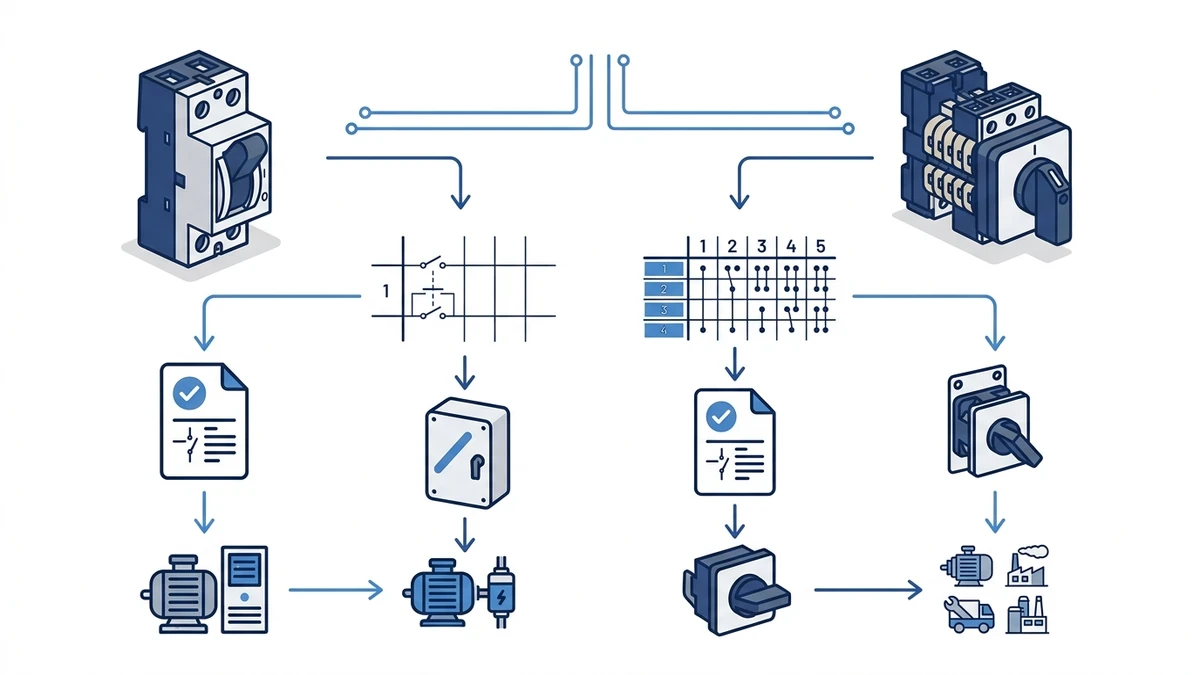
Рисунок 3. Перед подачей напряжения необходимо сверить контекст подключения с контактной схемой производителя.
Вопросы, связанные с установкой и соблюдением требований
Правильный выбор оборудования — это лишь первый шаг. От того, как установлено каждое устройство, зависит, пройдет ли оно приемку и будет ли надежно работать в течение всего срока службы.
Контрольный список на соответствие стандарту IEC 60947-3
Перед монтажом любого из устройств необходимо проверить соответствие следующим требованиям стандарта IEC 60947-3 и применимого к вам стандарта по изготовлению распределительных щитов:
Номинальное изоляционное напряжение (Ui) должно быть равно или превышать напряжение системы — как правило, 690 В переменного тока для промышленных щитов
Категория использования должна соответствовать типу нагрузки: AC-21A — для резистивных нагрузок, AC-23A — для двигательных нагрузок с индуктивным включением
Способность к включению и отключению должна подтверждаться при номинальном рабочем токе (Ie), а не только при тепловом токе (Ith)
Расстояния между проводниками и путь утечки должны соответствовать степени загрязнения, заявленной производителем — проверьте это по техническому паспорту, а не по приблизительным значениям
Устройство должно обеспечивать положительное действие при размыкании в соответствии с IEC 60947-3, то есть механическое размыкание контактов должно быть гарантировано независимо от состояния пружины
Подробное изложение требований стандарта IEC 60947-3 и информации о том, как они применяются при выборе устройств, можно найти в Руководство по стандарту IEC 60947-3 в доступной форме излагает определения сферы применения стандарта и категорий использования.
Изолятор SH30: Рекомендации по установке
Погодостойкий разъединитель SH30 предназначен для прямого монтажа на панели или на поверхности. Вместимость клеммных соединений и размеры вала привода зависят от номинального тока — перед вырезанием отверстия в панели необходимо ознакомиться с техническим паспортом, содержащим данные о конкретном размере корпуса. При установке на открытом воздухе кабельные вводы следует ориентировать вниз или использовать уплотнительный фитинг для кабелепровода. Даже в погодостойком корпусе может скапливаться влага, если у конденсата нет пути отвода.
Переключатель с поворотным кулачком: рекомендации по установке
При сборке поворотных кулачковых переключателей необходимо уделять особое внимание конфигурации контактного блока. Многопозиционные варианты — например, такие, как в Серия LW28 — Каждый контактный блок необходимо затянуть с усилием, указанным производителем, чтобы предотвратить смещение контактов под воздействием вибрации. Точное значение момента затяжки зависит от размера рамы; не следует применять общее значение для разных серий без проверки технического паспорта.
Размеры выреза в панели и монтажные размеры зависят от размера рамы; перед началом обработки сверьте данные с актуальным чертежом.
Ошибки при установке, которых следует избегать
Ни в коем случае не следует полагаться на положение «ВЫКЛ.» кулисного выключателя в качестве единственного средства отключения при проведении технического обслуживания. Необходимо использовать его в сочетании с блокируемым разъединителем, установленным выше по цепи, чтобы обеспечить соблюдение требований к отключению и переключению, предусмотренных стандартом IEC 60364-4-46.
При первоначальной сборке затяните крепежные элементы контактного блока с соблюдением указанных в технических условиях значений момента затяжки. Повторная затяжка после воздействия вибрации редко позволяет равномерно восстановить исходное давление контакта по всем полюсам.
Перед подачей напряжения сверьте схему последовательности контактов кулачкового переключателя со схемой вашей цепи. Даже один неправильно выровненный кулачковый диск может привести к короткому замыканию между фазами при смене положения.
Всегда проверяйте степень защиты по стандарту IP всего узла в целом, а не только самого устройства. Даже один незагерметизированный кабельный ввод снижает степень защиты корпуса до IP00.
Затраты, поставки и долгосрочное техническое обслуживание
Соблюдение требований к установке устанавливает минимальный порог. Именно совокупная стоимость владения в течение всего цикла технического обслуживания определяет, было ли выбранное устройство не только правильным выбором, но и выгодным вложением средств.
Себестоимость единицы продукции и первоначальные закупки
Изолятор нагрузки SH30 представляет собой специально разработанное однофункциональное устройство. Благодаря более простой внутренней конструкции — пружинному контактному блоку внутри герметичного корпуса — его цена за единицу, как правило, ниже, чем у поворотного кулачкового переключателя аналогичной номинальной мощности. Для применений, требующих лишь двухпозиционной функции «включено/выключено», многопозиционный кулачковый переключатель увеличивает стоимость за счет функций, которые остаются неиспользованными.
Поворотные кулачковые выключатели имеют более высокую удельную стоимость, что обусловлено их многопозиционной контактной конструкцией и высокими требованиями к точности допусков кулачкового диска, необходимыми для обеспечения номинальных значений замыкающей и размыкающей способности в соответствии со стандартом IEC 60947-3.
Срок службы и запасные части
Механическая долговечность является важным отличительным фактором, однако релевантным критерием сравнения является режим эксплуатации, а не простое количество циклов. Изоляторы нагрузки предназначены для нечастого отключения — для проведения технического обслуживания, а не для непрерывного переключения. Поворотные кулачковые выключатели рассчитаны на эксплуатационное переключение и проходят соответствующие испытания. Эксплуатация изолятора нагрузки с частотой циклов, характерной для кулачковых переключателей, приведёт к преждевременному износу его контактов.
Серии модульных кулачковых переключателей, в том числе Серия LW42 — поддержка заменяемых на месте узлов контактных блоков, что позволяет продлить срок службы без необходимости полной замены устройства. Это является важным фактором при управлении двигателями с высокой частотой циклов или в системах с селекторными переключателями, где затраты, связанные с простоями, являются значительными.
Рекомендации по хранению
Для специалистов по планированию технического обслуживания модульная конструкция поворотного кулачкового переключателя позволяет хранить на складе не готовые узлы, а только контактные блоки, что снижает стоимость запасных частей на единицу. Более низкая стоимость единицы изолятора SH30 делает хранение целых агрегатов целесообразным даже для небольших предприятий. Единая нумерация деталей Shieldhz упрощает процессы повторного заказа на разнесённых объектах — при составлении списка запасных частей для нескольких объектов согласуйте номера деталей с инженерной командой Shieldhz, чтобы избежать ошибок при замене деталей из разных серий.
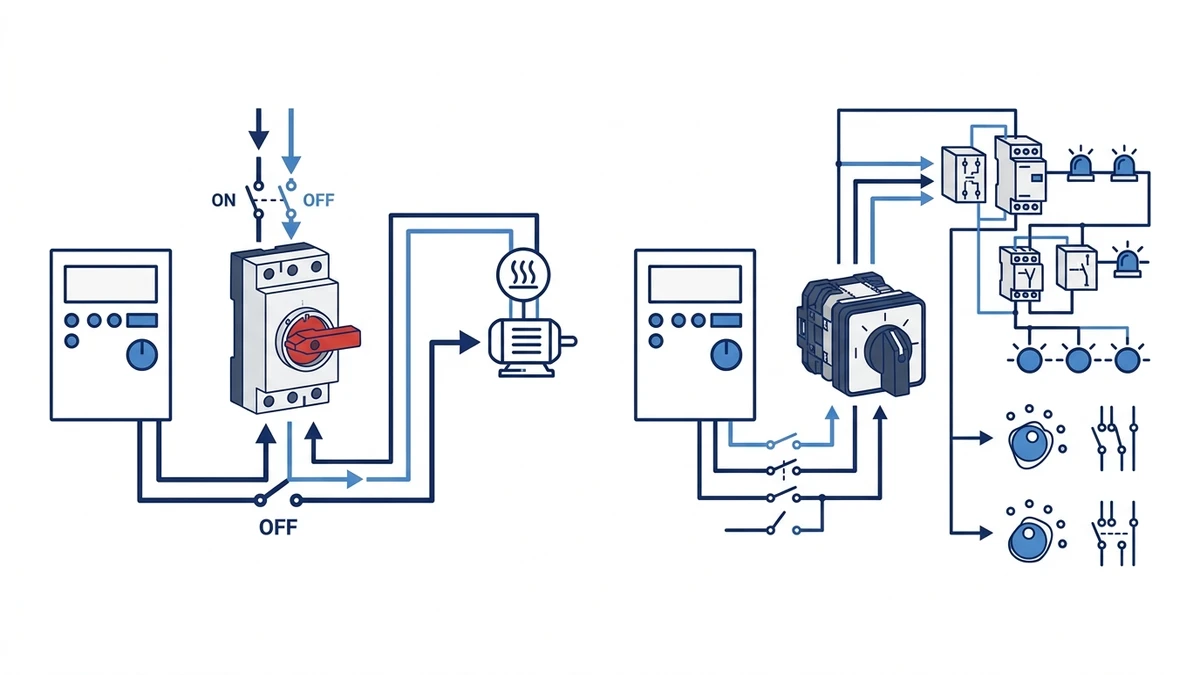
Рисунок 4. Полный запрос должен включать номинал, последовательность контактов, монтаж, корпус и требования к документам.
Какой маршрут подходит для вашего груза? Окончательная рекомендация
В большинстве случаев при сборке панелей решающую роль играют три фактора: степень защиты корпуса, топология схемы и частота переключения.
Сценарий нагрузки
Рекомендуемое устройство
Основная причина
Однофазная нагрузка переменного тока, наружная панель, требуется степень защиты IP65+
Изолятор нагрузки SH30
Герметичный корпус, рассчитанный на нечастую работу в режиме изоляции
Многопозиционное реверсирование двигателя или пуск по схеме «звезда-треугольник»
Переключатель с поворотным кулачком
Требуется многополюсная последовательность кулачков
Изоляция фотоэлектрических цепочек на крыше, постоянный ток до 1000 В
Изолятор, рассчитанный на постоянный ток (уточнить вариант)
Требуемая номинальная отключающая способность по постоянному току
Общая изоляция промышленных питающих линий, распределительный щит для внутренней установки
Поворотный кулачковый переключатель (LW28 или LW42)
Высокая циклическая износостойкость, модульная замена контактов
Изоляция фидерного кабеля, защищающая от воздействия погодных условий; редкие переключения
Изолятор серии SH30
Степень защиты IP67, компактные габариты
Если в конкретной задаче требуется фиксированное «выключенное» состояние в герметичном корпусе с минимальной частотой переключения, изолятор нагрузки серии SH30 станет более чистым и экономичным решением. Если же в задаче требуются переключаемые цепочки, последовательное управление двигателями или высокая износостойкость при интенсивных циклах работы, правильным выбором станет поворотный кулачковый переключатель серии SH30 или LW.
Не уверены, какой вариант подходит для конфигурации вашей панели? Обратитесь к инженерной команде Shieldhz, указав номинальное напряжение, номинальный ток, тип нагрузки, требования к степени защиты IP и частоту переключения. Получить прямую рекомендацию по продукту с подтверждением в техническом паспорте быстрее, чем самостоятельно прорабатывать матрицу выбора.
Как Shieldhz обрабатывает запросы по маршрутам SH30 и Cam Switch
При рассмотрении проекта Shieldhz в первую очередь возникает вопрос: требуется ли пользователю изоляция нагрузки или программируемое переключение. Если требуется видимое положение «ВЫКЛ.» для проведения сервисных работ, обычно в первую очередь рассматривается вариант с изолятором SH30. Если требуется режим «прямой ход/выключено/обратный ход», выбор источника питания, выбор счетчика или многопозиционное последовательное управление, команда переходит к рассмотрению моделей LW28, LW42 или другой конфигурации с кулачковым переключателем.
Чтобы избежать неверной рекомендации, укажите тип нагрузки, схему соединений, количество рабочих положений, место установки, требования к корпусу/степени защиты (IP), а также необходимые документы о соответствии стандартам. После этого компания Shieldhz сможет определить, какой вариант покупки будет более безопасным — изолятор, кулачковый выключатель или закрытый разъединитель — и предоставить соответствующий технический паспорт и чертеж для утверждения в распределительном щите.
Часто задаваемые вопросы
В чём заключается основное функциональное различие между изолятором нагрузки и поворотным кулачковым выключателем?
Изолятор нагрузки обеспечивает единую точку отключения «ВКЛ/ВЫКЛ» для безопасного отключения питания. Поворотный кулачковый переключатель направляет ток по нескольким выбираемым цепным путям. Изолятор представляет собой защитное устройство, используемое для установления подтверждённого выключенного состояния. Кулачковый переключатель — это устройство управления, используемое для выбора одной из конфигураций цепи в режиме нормальной работы.
Можно ли использовать поворотный кулачковый выключатель в качестве главного разъединителя в распределительном щите?
Поворотный кулачковый выключатель может обеспечивать размыкание цепи в положении «ВЫКЛ», если он соответствует требованиям стандарта IEC 60947-3 в отношении принудительного размыкания. Однако он не является предпочтительным вариантом для выполнения этой функции. Специализированный изолирующий выключатель с блокировкой, установленный выше по цепи, обеспечивает более чёткое и поддающееся проверке состояние «безопасного отключения» при проведении работ по техническому обслуживанию и более непосредственно соответствует требованиям по изоляции, установленным в стандарте IEC 60364-4-46.
Какой стандарт МЭК охватывает как разъединители нагрузки, так и поворотные кулачковые выключатели?
Оба типа устройств подпадают под действие стандарта IEC 60947-3:2020+AMD1:2025, который распространяется на выключатели, разъединители, выключатели-разъединители и комбинированные устройства с предохранителями для распределительных и двигательных цепей с номинальным напряжением до 1000 В переменного тока или 1500 В постоянного тока.
Какую категорию использования следует указать для двигательной нагрузки?
AC-23A — это правильная категория для включения и выключения индуктивных двигательных нагрузок. Устройство, рассчитанное только на категорию AC-21A, не прошло испытания на пиковые токи, характерные для двигателей, и не должно использоваться в таких условиях эксплуатации. Уточняйте категорию использования в техническом паспорте устройства, а не только в описании продукта.
Поддерживает ли изолятор SH30 применение в системах постоянного тока, таких как солнечные фотоэлектрические установки?
Стандартный разъединитель переменного тока SH30 не рассчитан на отключение цепей постоянного тока. Для фотоэлектрических установок требуется специальный разъединитель, рассчитанный на постоянный ток, предназначенный для однонаправленного тока постоянного тока и обладающий соответствующей отключающей способностью при напряжении системы. Перед выбором разъединителя для фотоэлектрической установки уточните у компании Shieldhz номинальные характеристики по постоянному току для конкретной модели.
Как часто, как правило, требуется замена контактных блоков ротационных кулачковых переключателей?
Срок службы контактных блоков зависит от категории использования, тока нагрузки и частоты переключений. При применении в системах управления двигателями с высокой частотой циклов в режиме AC-23A контактные блоки следует проверять с периодичностью, указанной в графике технического обслуживания, предоставленном производителем. Модульная конструкция контактных блоков позволяет производить их замену на месте без демонтажа корпуса выключателя из панели, что сокращает время простоя на установках с высокой частотой циклов.
Какой класс защиты IP требуется для наружного распределительного щита, устанавливаемого в условиях, где проводится промывка водой?
Степень защиты IP65 является минимально допустимой для большинства наружных установок и мест, подверженных промывке, обеспечивая полную защиту от проникновения пыли и от струй воды, поступающих с любого направления. В случаях, когда возможна очистка под высоким давлением или временное погружение в воду, следует выбирать степень защиты IP66 или IP67. Всегда проверяйте степень защиты IP всего собранного корпуса, включая кабельные вводы и любые адаптеры на передней панели, а не только степень защиты самого устройства в отдельности.
Ши, Мукси
Ши, Мукси пишет технические статьи Shieldhz для покупателей промышленных систем управления и электрических компонентов, охватывая поворотные кулачковые переключатели, разъединители, PV DC разъединители, кнопки, индикаторные лампы, водонепроницаемые корпуса и клеммные блоки. Статьи основаны на опыте производства и экспорта компании Zhejiang Shihe Electric Co., Ltd., с практическим акцентом на выборе модели, технических характеристиках, чертежах, сертификации, рейтингах IP и деталях запроса, которые покупатели должны подтвердить перед заказом.