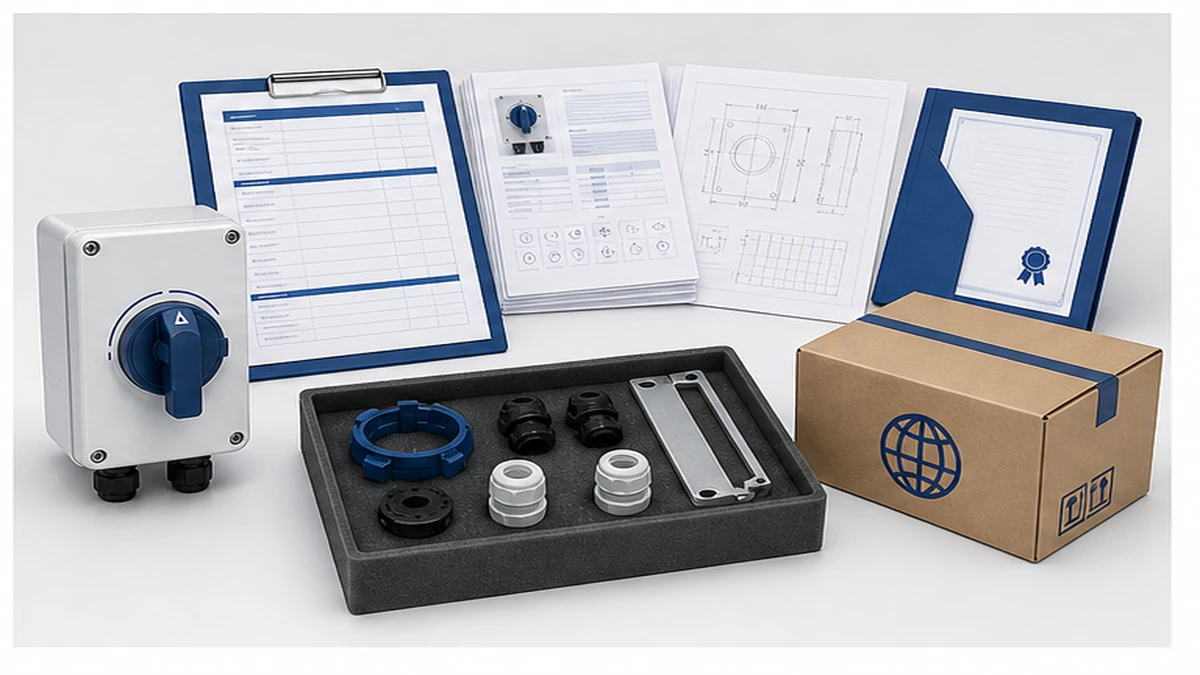
قائمة مراجعة للاستفسار عن عوازل التيار المستمر الشمسية لمشاريع الطاقة الكهروضوئية
تصبح عروض أسعار عوازل التيار المستمر الشمسية صالحة للاستخدام عند تحديد بيانات السلسلة الكهروضوئية، ومتطلبات الغلاف، والفئة، والشهادات، وتفاصيل التركيب.
يجب أن يتضمن عرض السعر الكامل لمفصل التيار المستمر (DC) للطاقة الشمسية تأكيدًا على الجهد التشغيلي المقنن، والتيار المقنن، وعدد الأقطاب، وفئة الحماية من دخول العناصر الخارجية (IP)، والشهادات المعمول بها، ومواد الغلاف، وأبعاد التركيب. وبدون تأكيد هذه المعلمات كتابةً قبل تقديم الطلب، تصبح أخطاء الشراء وحالات عدم الامتثال أمورًا شائعة في مشاريع الطاقة الكهروضوئية على جميع المستويات. ترشد قائمة المراجعة هذه مُركِّبي الألواح الكهروضوئية، ومصنعي الألواح، ومشتري المعدات الأصلية (OEM) عبر كل المعلمات التي يجب أن تظهر في عرض أسعار موثوق — بدءًا من القيم التصنيفية الكهربائية وفئة الاستخدام، وصولًا إلى نطاق الشهادات، واختيار الغلاف، وحزمة الوثائق التي يطلبها مهندسو المشروع والممولون قبل الشروع في التركيب.
حدود نطاق الدراسة: تُعد قائمة مراجعة عروض الأسعار هذه أداة لتأكيد الطراز، وليست بديلاً عن صفحة المنتج أو قائمة الأسعار العامة. ويجب التأكد من التقييمات النهائية، ومداخل الكابلات، ومسار التوصيلات داخل العلبة، ونطاق الشهادة، ومدة التسليم — التي تم تأكيدها بعد مراجعة الطراز والوثائق — من خلال مقارنتها بورقة بيانات Shieldhz الحالية، والرسومات، ووثائق الطلب.
القيم التصنيفية الكهربائية وفئة الاستخدام
المعلمات الكهربائية الرئيسية لأنظمة الطاقة الكهروضوئية التي يجب تحديدها
قبل تقديم طلب عرض أسعار، يرجى التأكد من القيم التالية الواردة في أوراق بيانات الوحدة ووثائق تصميم النظام.
Voc (جهد الدائرة المفتوحة): أقصى جهد تيار مستمر تنتجه السلسلة في ظل ظروف الاختبار القياسية. يجب دائمًا تطبيق تصحيح درجة الحرارة المنخفضة — ففي العديد من الظروف المناخية، قد يتجاوز جهد Voc المُصحَّح عند أدنى درجة حرارة محيطة متوقعة القيمة المحددة في ظروف الاختبار القياسية (STC) بنسبة تتراوح بين 10 و15 في المائة. يجب أن يساوي جهد العزل المقنن (Ui) للعازل هذه القيمة المصححة أو يتجاوزها، وليس نطاق تشغيل MPPT للمحول.
Vmax (الجهد الأقصى للنظام): المستويات الشائعة لجهد أنظمة الطاقة الكهروضوئية هي 600 فولت تيار مستمر، و1,000 فولت تيار مستمر، و1,500 فولت تيار مستمر. تأكد من المستوى الذي تتطلبه معايير التركيب الخاصة بك قبل تحديد أي عازل.
Isc (تيار الدائرة القصيرة): أقصى تيار يمكن أن ينتجه السلسلة. يجب أن يغطي التيار المقنن للعازل هذه القيمة مع هامش مناسب وفقًا لمعايير التركيب الخاصة بك.
Iop (تيار التشغيل): تيار الحمل المستمر في ظل الإشعاع الطبيعي. يجب أن يرد كل من Isc وIop في عرض الأسعار كأساس لاختيار تصنيف التيار.
مرجع مستويات جهد النظام وقدرات العوازل
مستوى جهد النظام
المعدل النموذجي لـ Voc
الحد الأدنى لقيمة Ui للعازل
سلسلة نموذجية Isc
نطاق تيار عازل المرجع
600 فولت تيار مستمر
ما يصل إلى 600 فولت
600 فولت تيار مستمر
8 إلى 12 أمبير
16 أمبير إلى 25 أمبير
1,000 فولت تيار مستمر
ما يصل إلى 1,000 فولت
1,000 فولت تيار مستمر
من 8 إلى 15 أمبير
16 أمبير إلى 32 أمبير
1,500 فولت تيار مستمر
ما يصل إلى 1,500 فولت
1,500 فولت تيار مستمر
10 إلى 18 أمبير
25 أمبير إلى 40 أمبير
القيم الواردة في هذا الجدول هي نطاقات مرجعية فقط. تأكد دائمًا من قيم Voc وIsc المصححة من ورقة بيانات الوحدة الخاصة بك ومعيار التركيب المحلي المعمول به قبل إتمام أي عرض أسعار.
فئة الاستخدام: لماذا يجب أن تظهر في كل عرض أسعار
تحدد فئة الاستخدام الواردة في معيار قواطع التبديل قدرة الإغلاق والقطع التي يجب أن يثبتها القاطع في ظل ظروف محددة للدائرة. وبالنسبة لقواطع سلاسل الألواح الكهروضوئية، فإن الفئات ذات الصلة هي DC-PV1 للأنظمة المؤرضة وDC-PV2 لدوائر السلاسل غير المؤرضة (العائمة). تتطلب فئة DC-PV2 أن يقوم الجهاز بقطع التيار عن كلا الموصلين في ظل متطلبات أعلى لطاقة القوس الكهربائي؛ ويؤدي استبدال جهاز مصنف وفقًا لفئة DC-PV1 أو مصنف للتيار المتردد (AC) في تطبيق من فئة DC-PV2 إلى ظهور خطر انصهار نقاط التلامس في حالات الأعطال. ويُعد أي عرض أسعار يذكر تصنيفات التيار المتردد (AC) فقط أو يغفل فئة الاستخدام تمامًا ثغرة تؤدي إلى استبعاد العرض.
الشكل 1. المفهوم الأساسي الذي يستند إليه اختيار قائمة مراجعة عروض أسعار عوازل التيار المستمر الشمسية.
عدد الأقطاب وقطع التيار الكهربائي
في سلسلة الألواح الكهروضوئية التي تعمل بالتيار المستمر غير المؤرضة، يقوم عازل ثنائي القطب بقطع التيار عن كل من الموصلين الموجب والسالب في آن واحد. ويجب أن يكون كل قطب مصممًا لتحمل طاقة القوس الكهربائي المرتبطة بالجهد الكهربائي عبر فجوة التلامس الخاصة به. بالنسبة للأنظمة التي تعمل بتيار مستمر (DC) بجهد 1,000 فولت، يجب أن تتحمل هندسة التلامس القوس الكهربائي المستمر للتيار المستمر (DC) الذي يتشكل عند انقطاع الدائرة — وهو متطلب يميز عوازل التيار المستمر (DC) المصممة خصيصًا لهذا الغرض عن أجهزة التيار المتردد (AC) التي أعيد تخصيصها. بالنسبة للأنظمة العائمة، تأكد من أن عدد الأقطاب يتطابق مع تكوين التأريض قبل الطلب: فالتكوين غير الصحيح للأقطاب يؤدي إلى فشل الفحص وقد لا يكون قابلاً للإصلاح في الميدان.
لماذا تؤثر شهادات «ماركت-ريجيون» على قرارات الشراء
تختلف متطلبات الاعتماد بشكل كبير حسب المنطقة. ولا تكفي علامة CE وحدها، دون وجود تقرير اختبار النوع الصادر عن اللجنة الكهروتقنية الدولية (IEC)، للعديد من المشاريع التجارية للطاقة الكهروضوئية. وعادةً ما يؤدي تقديم عازل غير معتمد إلى الموزع المحلي أو مشغل الشبكة أو الجهة الممولة للمشروع إلى تأخيرات تمتد من أسابيع إلى شهور.
الشهادة
الهيئة الحاكمة
السوق الأولية
المتطلبات الأساسية لمفصل التيار المستمر
معيار قاطع التوصيل
IEC
الخط الأساسي العالمي
قدرة التوصيل والقطع عند الجهد المستمر المقنن؛ فئة الفصل
علامة CE (LVD + EMC)
المفوضية الأوروبية
الاتحاد الأوروبي والمنطقة الاقتصادية الأوروبية
إعلان المطابقة لمعيار قاطع التبديل؛ يجب أن تغطي قيمة Ui جهد النظام
TÜV Rheinland أو TÜV SÜD
مراكز الاختبار المستقلة
الاتحاد الأوروبي، الصادرات العالمية
اختبار النوع من قبل جهة خارجية؛ وهو ما تطلبه عادةً شركات EPC وممولي المشاريع
قائمة المفاتيح المرفقة للتيار المستمر؛ تم اختبار قدرة القطع عند الجهد الكامل للتيار المستمر
CCC
CNCA و CQC
الداخلية الصينية
إلزامي بالنسبة للمعدات الشمسية المتصلة بالشبكة التي تُباع في الصين القارية
مخطط CB
IECEE
متعدد الأطراف
يسهل الاعتراف المتبادل بين الهيئات الوطنية المشاركة
المعيار المرجعي للمفاتيح الكهربائية وقواطع الدائرة في هذه الفئة من المنتجات هو الإصدار الحالي من معيار المفاتيح وقواطع الدائرة، والذي ينطبق على المفاتيح الكهربائية، وقواطع الدائرة، والمفاتيح-قواطع الدائرة، ووحدات الصمامات المركبة المخصصة لدوائر التوزيع ودوائر المحركات ذات الجهد المقنن الذي يصل إلى 1000 فولت تيار متردد أو 1500 فولت تيار مستمر. تم نشر الطبعة الحالية من قبل اللجنة الكهروتقنية الدولية (IEC) في المنشور الرسمي الخاص بمفصلات التبديل التابعة للجنة الكهربائية الدولية (IEC). للاطلاع على شرح مفصل لكيفية تطبيق معيار المفتاح-الفاصل على اختيار العازل، انظر مرجع معيار المفتاح-الفاصل.
كيف تبدو حزمة الشهادة الكاملة
يحدد عرض الأسعار الموثوق نطاق الشهادة: أي معيار، وأي مختبر اختبار، ورقم الطراز والنسخة المحددة التي تغطيها كل شهادة. اطلب دائمًا نسخة أصلية من الشهادة وتحقق من رقم الشهادة عبر السجل الإلكتروني للجهة المصدرة قبل تأكيد الطلب. بالنسبة لتوريدات المعدات الأصلية (OEM) المتعددة المناطق، تأكد من أن الطراز المختار يحمل كلاً من تقارير الاختبار الصادرة عن جهة خارجية وفقًا لمعايير اللجنة الكهروتقنية الدولية (IEC) والعلامة الإقليمية المطلوبة في موقع التركيب. ولا تشمل الشهادة الصادرة لعدد أقطاب معين أو مستوى جهد كهربائي معين تلقائيًا عدد أقطاب مختلف أو مستوى جهد كهربائي آخر ضمن نفس سلسلة المنتجات.
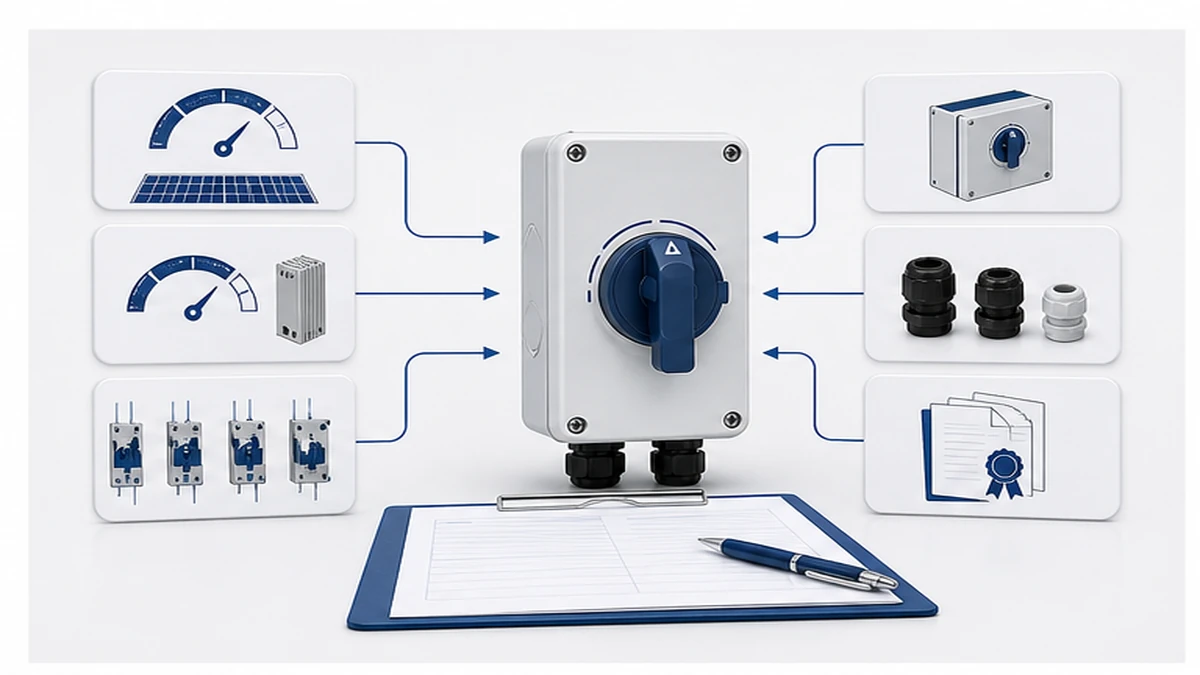
الشكل 2. يجب أن تربط فحوصات الاختيار جهد التيار المستمر، وتيار السلسلة، وعدد الأعمدة، والحاوية، ومدخل الكابل، والوثائق.
الغلاف، ومستوى الحماية من دخول العناصر الخارجية، وتكوين التركيب
اختيار تصنيف IP لبيئات الألواح الكهروضوئية
يحدد المعيار IEC 60529 درجة الحماية من دخول العناصر الخارجية باستخدام رقمين: الرقم الأول يحدد درجة الحماية من دخول الجسيمات الصلبة، بينما يحدد الرقم الثاني درجة الحماية من دخول السوائل. بالنسبة لمفصلات التيار المستمر (DC) المستخدمة في أنظمة الطاقة الشمسية، فإن الحد الأدنى العملي المطلوب لأي تركيب مباشر في الهواء الطلق هو IP65، والذي يوفر حماية كاملة من دخول الغبار ومن نفاثات الماء ذات الضغط المنخفض من أي اتجاه. توفر مقالة «الاختلافات في تصنيفات IP» مرجعًا لفهم كيفية ارتباط هذه المستويات ببيئات التركيب.
يجب أن تحدد المنشآت الموجودة في المناطق الساحلية، أو في المناطق ذات المناخ الموسمي، أو المجمعات المثبتة على الأرض والمعرضة للغسل بالضغط، معيار IP66. ويؤكد معيار IP67 مقاومة الغمر المؤقت حتى عمق 1 متر لمدة تصل إلى 30 دقيقة، وهو أمر مهم عندما يتم تركيب العوازل بالقرب من مستوى سطح الأرض أو في المناطق المعرضة للفيضانات المفاجئة. أما بالنسبة لأنظمة التتبع على نطاق المرافق العامة، حيث يقع غلاف العازل على مسافة لا تزيد عن 300 ملم من سطح الأرض، فإن معيار IP67 هو الخيار الأكثر ملاءمة.
غالبًا ما يؤدي تحديد الجهد والتيار فقط مع إغفال تصنيف IP إلى توريد وحدة مثبتة على اللوحة من فئة IP20 لاستخدام في بيئة تتطلب مقاومة العوامل الجوية. يجب أن يرد تصنيف IP صراحةً في عرض الأسعار، وألا يُستنتج من صورة المنتج أو وصفه في الكتالوج.
قائمة مراجعة إعدادات التركيب
يرجى التأكد من المعلمات الميكانيكية التالية قبل الموافقة على عرض الأسعار.
التركيب على السطح مقابل التثبيت على سكة DIN: تستخدم معظم عوازل التيار المستمر المثبتة بجانب الحقل طريقة التثبيت المباشر على السطح. تأكد من عمق الصندوق الخلفي ونمط فتحات البراغي مقارنةً برسمة صندوق التوصيل أو هيكل جهاز التتبع الخاص بك.
اتجاه مد الكابل: يؤثر دخول القناة من الأعلى أو الأسفل أو الجانب على إدارة تسرب المياه عند وصلات الكابلات. حدد حجم سن اللولب المطلوب بناءً على المقطع العرضي للموصل، وعادةً ما يكون M20 أو M25 للأسلاك المتسلسلة في النطاق المستخدم عادةً في المنشآت الكهروضوئية السكنية والتجارية.
الخلوص بين مقبض المشغل: تتطلب المقابض الدوارة أو المقابض ذات الشفرات نصف قطر دوران أدنى. تأكد من أبعاد فتحة اللوحة من الرسم التفصيلي المقدم من الشركة المصنعة قبل تصنيع أي غلاف أو حامل تثبيت.
مادة الغلاف ومقاومته للأشعة فوق البنفسجية: يجب أن تثبت مركبات البولي كربونات وGRP المستخدمة في العلب الخارجية مقاومتها للأشعة فوق البنفسجية وفقًا للمعيار IEC 60068-2-5، وذلك لمنع حدوث التقصف على مدار عمر الخدمة الذي يتوافق مع آفاق تصميم أنظمة الطاقة الكهروضوئية.
مساحة سطح الملصق: تتطلب المواصفة القياسية IEC 62548 ومعايير التركيب الإقليمية وضع ملصقات تحذيرية دائمة في موقع العازل. يرجى التأكد من أن سطح العلبة يتسع لمساحة الملصق المطلوبة قبل الطلب.
الاعتبارات الخاصة بمصنعي المعدات الأصلية والمشترين بالجملة
قائمة مراجعة المشتريات الخاصة بمصنعي المعدات الأصلية (OEM)
يحتاج المشترون بالجملة ومشتريو المعدات الأصلية (OEM) إلى تأكيدات إضافية تتجاوز المعايير الكهربائية والميكانيكية التي تنطبق على عمليات الشراء الخاصة بمشروع واحد. ويجب تسوية الحقول التالية قبل إصدار أمر الإنتاج.
الميدان
الأسئلة الأساسية التي يجب التأكد منها مع المورد
القيمة الاسمية للجهد المخصصة
هل يدعم هذا الطراز المحدد جهدًا يبلغ 1,000 فولت تيار مستمر أم 1,500 فولت تيار مستمر؟ يرجى التأكد من قيمة Ui وفئة الاستخدام في ورقة البيانات.
العلامة والشعار
هل تتوفر خدمة الطباعة بالشاشة الحريرية أو النقش بالليزر للعلامات التجارية الخاصة؟ يرجى التأكد من الحد الأدنى لمتطلبات تنسيق ملف التصميم وأي رسوم متعلقة بالأدوات.
التغليف
كيس بلاستيكي فردي، عبوة بليستر للبيع بالتجزئة، أم كرتونة بالجملة؟ يرجى تحديد متطلبات الرمز الشريطي EAN لكل وحدة، إن وجدت.
الحد الأدنى لكمية الطلب
تأكد من كمية الطلب الدنيا للمنتجات ذات الملصقات المخصصة مقارنةً بالمنتجات القياسية المدرجة في الكتالوج.
المهلة الزمنية
يتم تأكيد مدة الإنتاج بعد مراجعة النموذج والوثائق، بدءًا من الموافقة على التصميم الفني وتأكيد دفع العربون، وذلك بالنسبة لكل من عمليات الإنتاج القياسية والمخصصة.
نموذج للسياسة
هل تتوفر عينة ما قبل الإنتاج قبل الالتزام بالإنتاج؟ يرجى التأكد من رسوم العينة وشروط الائتمان مقارنةً بأمر الإنتاج.
عادةً ما يطلب مشترو المعدات الأصلية (OEM) قيم جهد كهربائي مخصصة تتوافق مع منصة المحولات الخاصة بهم، وعلامات تحمل العلامة التجارية الخاصة بهم، وملصقات تحذيرية باللغات المحلية، وتغليفًا مصممًا لتجميع المجموعات أو التوزيع بالتجزئة. ويؤدي التأكيد على هذه المتطلبات كتابةً قبل إصدار أمر الشراء إلى تجنب الحاجة إلى إعادة العمل على الكميات الكبيرة.
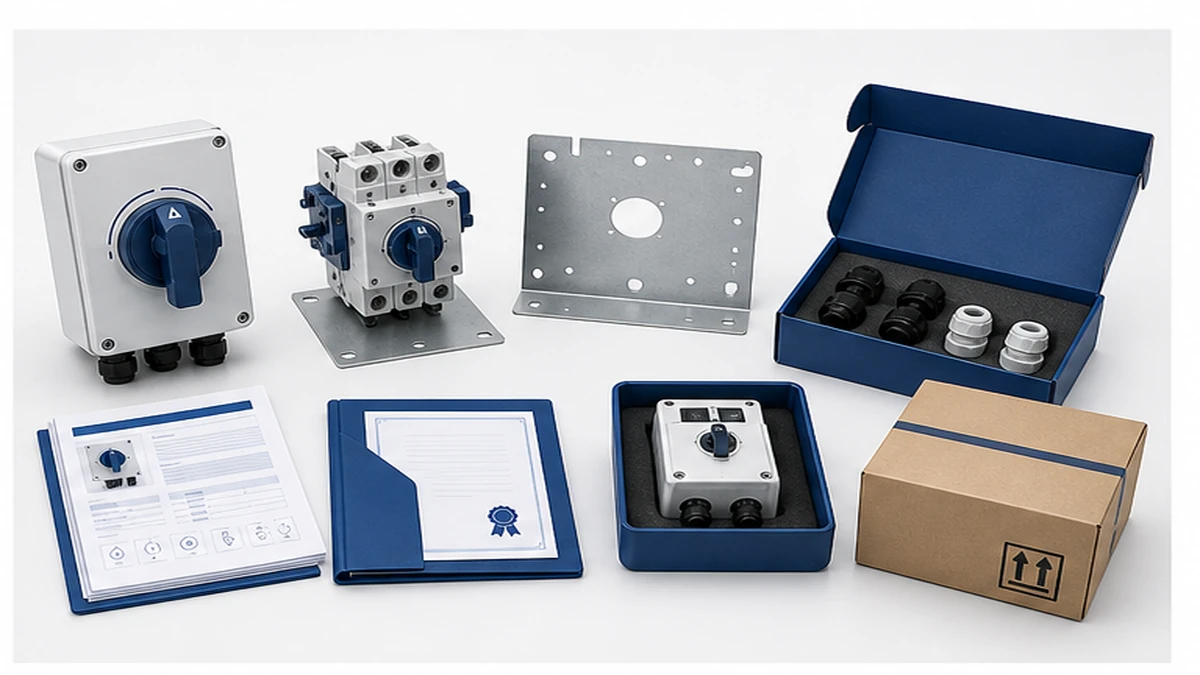
الشكل 3. يجب التحقق من سياق الأسلاك التطبيقية بالمقارنة مع مخطط التلامس الخاص بالشركة المصنعة قبل التنشيط.
بالنسبة للمشترين الذين يقيّمون طرازات معينة، فإن مفتاح عزل التيار المستمر الكهروضوئي GF40, ، ومفتاح التيار المستمر الشمسي GF41، و مفتاح عزل التيار المستمر الكهروضوئي GF51 تغطي كل منها تكوينات مختلفة للجهد والتيار وعدد الأقطاب. يرجى مراجعة أوراق البيانات الفردية والتأكد من فئة الاستخدام، والجهد العازل المقنن، ونطاق الشهادة مقارنة بمواصفات مشروعك قبل إضافة أي طراز إلى قائمة المواد.
بالنسبة لعمليات الشراء على نطاق المرافق، يجب أخذ المهلة الزمنية التي يتم تأكيدها بعد مراجعة النموذج والوثائق الخاصة بفواصل التيار المستمر المخصصة في الاعتبار عند وضع جداول الشراء، وذلك قبل وقت كافٍ من بدء أعمال التركيب. ويُوصى بطلب عينة ما قبل الإنتاج المصنفة وفقًا للجهد المستهدف وفئة IP الخاصة بكم، مما يتيح لإجراء فحص الاستلام التحقق من الامتثال للمواصفات قبل الالتزام بشراء الكمية الكاملة.
الأخطاء الشائعة في إعداد عروض الأسعار وكيفية تجنبها
تحديد الجهد الاسمي بدلاً من الجهد Voc المُصحَّح
غالبًا ما يطلب المُركِّبون عازلًا مصنَّفًا وفقًا لجهد تشغيل MPPT الخاص بالعاكس، بدلاً من الجهد الفعلي الأقصى (Voc) للسلسلة في ظروف درجات الحرارة المنخفضة. يزداد الجهد الفعلي الأقصى (Voc) للوحدة مع انخفاض درجة الحرارة، ويمكن أن تتجاوز القيمة المُصحَّحة عند أدنى درجة حرارة محيطة متوقعة الرقم المحدد في ظروف الاختبار القياسية (STC) بهامش كبير. يجب أن يفي جهد العزل المقنن للعازل بهذا الحد الأقصى المُصحح أو يتجاوزه. احصل على معامل درجة الحرارة لـ Voc من ورقة بيانات الوحدة وقم بتطبيق التصحيح وفقًا لدرجة الحرارة الدنيا التصميمية لموقعك قبل تحديد أي عازل.
حذف فئة الاستخدام من المواصفات
إن عرض الأسعار الذي يقتصر على ذكر الجهد والتيار دون تحديد فئة الاستخدام يجعل المورد غير قادر على التأكد مما إذا كان هيكل المفتاح المختار مناسبًا لنوع الدائرة. قد لا توفر مفاتيح التيار المستمر ذات الاستخدام العام والمصممة للأحمال المقاومة الأداء المطلوب لقطع التيار الكهربائي عند فصل سلاسل الألواح الكهروضوئية. تأكد من ظهور DC-PV1 أو DC-PV2 صراحةً في كل من مواصفات المشتري وعرض الأسعار المقدم من المورد.
عدد أعمدة غير صحيح في تكوين التأريض
قد يتطلب التكوين السالب المُؤرض استخدام عازل ثنائي الأقطاب يقوم بتحويل التيار في الموصل الموجب فقط، في حين يتطلب النظام العائم جهازًا رباعي الأقطاب يقوم بتحويل التيار في جميع الموصلات الحاملة للتيار في آن واحد. إن طلب عازل تيار مستمر بناءً على الجهد والتيار دون تحديد عدد الأقطاب يجبر المورد على التخمين، كما أن التكوين غير الصحيح للأقطاب يؤدي إلى فشل فحص التشغيل. تأكد من تكوين تأريض المصفوفة من تصميم النظام قبل تقديم أي طلب شراء.
عدم تحديد تصنيف IP للغلاف بشكل كافٍ
غالبًا ما يؤدي إغفال ذكر تصنيف IP في عرض الأسعار إلى توريد جهاز مُثبَّت على سكة DIN مصمم للاستخدام داخل الأماكن المغلقة، ليُستخدم في تطبيقات المجمعات الخارجية. ويُعد تصنيف IP65 الحد الأدنى المقبول عمومًا للتعرض المباشر لأشعة الشمس في الأماكن الخارجية. لذا، تأكد من تصنيف IP في ورقة البيانات والشهادة، ولا تعتمد فقط على صورة المنتج أو الصورة المصغرة في الكتالوج.
طلب الحصول على الشهادة دون التأكد من تغطية المتغيرات
لا تشمل الشهادة التي تغطي نسخة واحدة من طراز ما ضمن عائلة منتجات ما، بشكل تلقائي، الاختلافات في عدد الأقطاب أو مستويات الجهد أو القيم المقننة للتيار ضمن نفس السلسلة. عند مراجعة وثيقة الشهادة، تأكد من أن رقم الطراز والنسخة المطلوبة بالضبط — وليس مجرد اسم عائلة المنتج — مدرجان ضمن نطاق الشهادة. قم بمقارنة رقم الشهادة مع السجل الإلكتروني للمختبر المصدر.
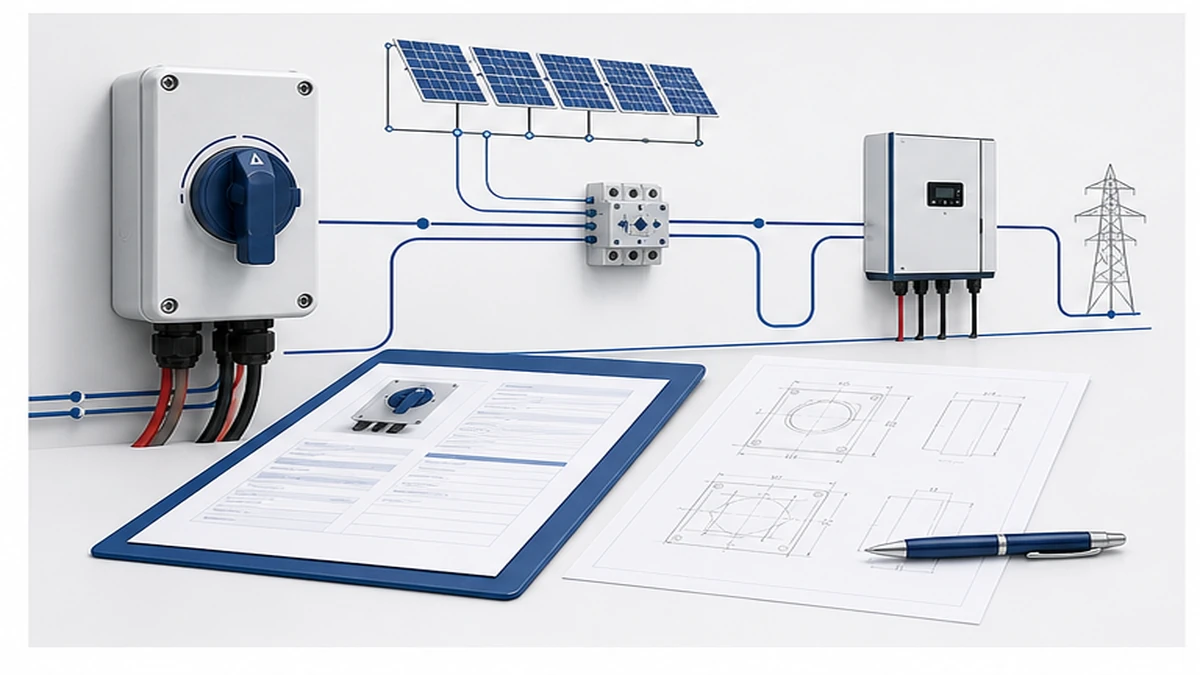
الشكل 4. يجب أن يتضمن الاستفسار الكامل التصنيف وتسلسل التلامس والتركيب والحاوية ومتطلبات المستند.
كيف تتحقق شركة Shieldhz من مواصفات عازل التيار المستمر الخاص بك قبل تقديم عرض الأسعار
«Shieldhz» هي العلامة التجارية المخصصة للتصدير لشركة Zhejiang Shihe Electric Co., Ltd.، التي تأسست عام 2014 ويقع مقرها في يوتشينغ، وينتشو، تشجيانغ — وهي منطقة تُعرف بأنها المركز الصناعي الرئيسي في الصين للمكونات الكهربائية ذات الجهد المنخفض. تبلغ مساحة المنشأة أكثر من 5,000 متر مربع، ويعمل بها أكثر من 100 موظف، وتضم أكثر من 40 آلة إنتاج واختبار. وقد حصل نظام إدارة الجودة على شهادة ISO 9001، كما تحمل مجموعة المنتجات شهادات CE وTUV وUL وUKCA وCCC وCB وRoHS عبر جميع خطوط الإنتاج ذات الصلة.
تتبع عملية تقديم عروض الأسعار الخاصة بمفاتيح العزل التي تعمل بالتيار المستمر نهجًا قائمًا على المراجعة الفنية المنظمة، بدلاً من نموذج البحث في الكتالوج.
تسجيل الاستفسار: تبدأ عملية المراجعة عندما يقدم المشتري بيانات الطلب التي تشمل جهد النظام، والحد الأقصى لتيار السلسلة، وعدد الأعمدة، وفئة الاستخدام المطلوبة، وتصنيف IP للغلاف، ومعيار التركيب المعمول به. كما تطلب شركة Shieldhz تحديد المنطقة السوقية المستهدفة حتى يتسنى تحديد نطاق الشهادة الصحيح قبل اقتراح أي طراز.
التحقق من مسار الدائرة الكهربائية: يقوم فريق الهندسة بمقارنة قيم الجهد والتيار المقدمة مع إطارات المفاتيح المتاحة ضمن مجموعة فواصل التيار المستمر. ويتم التحقق من الجهد العازل المقنن، وقدرة الإغلاق والفتح، وفئة الاستخدام، مقارنةً بجدول التلامس الخاص بالنموذج المقترح قبل تحديد السعر. ولا يتم إصدار أي عرض أسعار لنموذج لا يتطابق مع معلمات التطبيق المعلنة.
الفحص الميكانيكي وفحص الغلاف: تقوم Shieldhz بالتحقق من أبعاد فتحة اللوحة، واتجاه التثبيت، والمسافة الفاصلة لمقبض المشغل، ونطاق المقطع العرضي للموصلات الطرفية، وتصنيف IP للغلاف. بالنسبة لتطبيقات مجمعات السلاسل الخارجية، تؤكد هذه الخطوة الامتثال لمعيار IP65 أو IP66 وفقًا للمعيار IEC 60529 بالنسبة لنموذج الغلاف المحدد المشمول في عرض الأسعار، وليس بالنسبة لسلسلة المنتجات الأوسع نطاقًا.
التوافق بين الوثائق والشهادات: تحدد الخطوة الأخيرة الشهادات وتقارير الاختبار التي يطلبها المشتري — CE، أو TUV، أو CQC، أو CB، أو وثائق طرف ثالث خاصة بالمشروع. تتأكد Shieldhz من توفر الشهادات للطراز المحدد وتقدم مخططات الأسلاك والرسومات الأبعاد وصحيفة البيانات المؤكدة كجزء من حزمة عرض الأسعار. ويحصل المشترون من مصنعي المعدات الأصلية (OEM) الذين يحتاجون إلى علامات العلامة التجارية الخاصة أو ملصقات باللغات الإقليمية أو تغليف مخصص على تأكيد منفصل بنطاق طلب OEM قبل تحديد موعد الإنتاج.
لتقديم مواصفات والحصول على عرض أسعار معتمد، يرجى استخدام قناة الاستفسار الخاصة بـ Shieldhz.
الأسئلة الشائعة
ما هو الحد الأدنى لمستوى مقاومة الماء (IP) المطلوب لمفصل التيار المستمر الشمسي المخصص للاستخدام الخارجي؟
يُعد تصنيف IP65 الحد الأدنى المقبول عمومًا للتركيبات الكهروضوئية المباشرة في الهواء الطلق، حيث يوفر عزلًا تامًا عن الغبار وحماية ضد نفاثات الماء ذات الضغط المنخفض من أي اتجاه. أما التركيبات الساحلية أو المعرضة للرياح الموسمية أو المقربة من سطح الأرض، فيجب أن تكون مطابقة لتصنيف IP66 أو IP67. تأكد من تصنيف IP في كل من ورقة بيانات المنتج وشهادة الاختبار، بدلاً من الاعتماد على أوصاف الكتالوج وحدها.
ما الفرق بين فئتي الاستخدام DC-PV1 و DC-PV2؟
يُطبق معيار DC-PV1 على العوازل المستخدمة في الأنظمة الكهروضوئية المُؤرضة، حيث يكون أحد الموصلين مرجعيًّا للأرض، وتكون مهمة التبديل أخف وفقًا لذلك. أما معيار DC-PV2 فيُطبق على دوائر السلاسل العائمة غير المُؤرضة، حيث يجب أن يقطع العازل كلا الموصلين في مواجهة متطلبات أعلى لطاقة القوس الكهربائي. ويؤدي استبدال جهاز من فئة DC-PV1 في تطبيق مخصص لفئة DC-PV2 إلى ظهور خطر حدوث لحام التلامس في حالات الأعطال. تأكد دائمًا من فئة الاستخدام الواردة في ورقة بيانات المنتج قبل الطلب.
هل يمكن استخدام عازل مصمم للتيار المتردد في دائرة سلسلة التيار المستمر للطاقة الشمسية؟
لا. فهندسة ملامسات التيار المتردد وآليات إخماد القوس الكهربائي ليست مصممة للتعامل مع القوس الكهربائي المستمر للتيار المستمر الذي يتشكل عند قطع دائرة سلسلة الخلايا الكهروضوئية. ولا يتوافق استخدام عازل التيار المتردد في تطبيقات التيار المستمر مع معيار المفتاح-الفاصل، كما أنه يشكل خطرًا لاندلاع الحريق ولحام الملامسات. يجب استخدام فواصل التيار المستمر المصممة خصيصًا لهذا الغرض، والتي تحمل فئة استخدام مؤكدة للتيار المستمر، في جميع تطبيقات فصل سلاسل الألواح الكهروضوئية.
كيف يؤثر تصحيح درجات الحرارة المنخفضة على قيمة الجهد المقننة للعازل التي أحتاجها؟
يزداد جهد الدائرة المفتوحة (Voc) للوحدة عندما تنخفض درجة حرارة الخلية عن القيمة المرجعية لظروف الاختبار القياسية (STC). وعند أدنى درجة حرارة محيطة متوقعة لموقع معين، يمكن أن يتجاوز جهد الدائرة المفتوحة (Voc) المعدل للسلسلة قيمة STC بهامش يختلف باختلاف معامل درجة الحرارة الخاص بالوحدة ومناخ الموقع. يجب أن يساوي جهد العزل المقنن للعازل هذا الجهد الأقصى المعدل للدائرة المفتوحة أو يتجاوزه، وليس الجهد التشغيلي الأعلى لـ MPPT في العاكس. قم بتطبيق معامل درجة الحرارة لـ Voc المحدد من قبل الشركة المصنعة على درجة الحرارة الدنيا لتصميم موقعك واستخدم النتيجة كقيمة Ui الدنيا لاختيار العازل.
ما هي المستندات التي يجب أن أطلبها مع عرض أسعار قاطع التيار المستمر للطاقة الشمسية؟
على الأقل، اطلب ورقة بيانات المنتج الكاملة، ومخطط الأسلاك، ورسومات الأبعاد والتركيب، والشهادة الأصلية مع الرقم المرجعي للجهة المصدرة لها. بالنسبة للمشاريع التجارية أو مشاريع المرافق العامة، اطلب أيضًا تقرير اختبار النوع القياسي الخاص بالمفتاح-الفاصل حتى يتمكن مهندسو شركة EPC وممولو المشروع من التحقق بشكل مستقل من سعة التوصيل والقطع. تأكد من أن كل وثيقة تشير إلى طراز المنتج المحدد وتكوين الأقطاب والجهد المطلوبين في الطلب.
ما هي المهلة الزمنية الخاصة بالمشروع التي يتم تأكيدها بعد مراجعة النموذج والوثائق الخاصة بمفاتيح العزل التي تعمل بالتيار المستمر ذات الملصقات المخصصة؟
يتم إنتاج أصناف الكتالوج القياسية ضمن جداول الإنتاج العادية. أما الإصدارات ذات الملصقات المخصصة التي تتطلب الموافقة على التصميم الفني، أو أدوات تصنيع الملصقات، أو تهيئة التغليف، فتتطلب عمومًا مهلة زمنية أطول يتم تأكيدها بعد مراجعة النموذج والوثائق عقب تأكيد دفع العربون. يجب تقديم طلبات الشراء بالجملة من مصنعي المعدات الأصلية (OEM) قبل وقت كافٍ من بدء أعمال التركيب، وذلك لإتاحة الوقت اللازم للإنتاج والعمليات اللوجستية وفحص البضائع الواردة. يرجى التأكد من مهلة التسليم المحددة التي يتم تأكيدها كتابةً بعد مراجعة النموذج والوثائق كجزء من عرض الأسعار قبل الالتزام بجدول زمني للمشروع.
هل أحتاج إلى طراز عازل مختلف لنظام يعمل بجهد 1,500 فولت تيار مستمر مقارنةً بنظام يعمل بجهد 1,000 فولت تيار مستمر؟
نعم. يجب أن يتوافق الجهد العازل المقنن، والمسافة بين نقاط التلامس، وتصميم قطع القوس الكهربائي مع فئة الجهد الأعلى. يجب عدم استخدام جهاز معتمد فقط عند 1,000 فولت تيار مستمر في دائرة سلسلة بجهد 1,500 فولت تيار مستمر، حيث إن طاقة القوس الكهربائي عند الجهد الأعلى تتجاوز ما صُممت هندسة نقاط التلامس ذات التصنيف الأقل لإطفائه بأمان. تأكد من أن رقم الطراز ومستوى الجهد المذكورين في الشهادة يتطابقان مع مستوى جهد النظام الخاص بتركيبك المحدد قبل الطلب.
شي، موكسي
يكتب شي، موكسي مقالات شيلدهز الفنية لمشتري التحكم الصناعي والمكونات الكهربائية، والتي تغطي مفاتيح الكامات الدوارة، ومفاتيح العازل، ومفاتيح فصل التيار المستمر الكهروضوئية، وأزرار الضغط، وأضواء المؤشر، والحاويات المقاومة للماء، والكتل الطرفية. تستند المقالات على خبرة شركة Zhejiang Shihe Electric Co., Ltd. في التصنيع والتصدير، مع التركيز العملي على اختيار الطراز وأوراق البيانات والرسومات والشهادات وتصنيفات IP وتفاصيل الاستفسار التي يجب على المشترين التأكد منها قبل الطلب.