PV DC Isolator Replacement in an Existing Solar Array: What Must Match Before Changeout
Use a practical buyer checklist to evaluate pv dc isolator replacement inputs, documentation, approval controls and the exact PV DC isolator switch route.
A pv dc isolator replacement should be treated as a documented, non-energized engineering review before any changeout decision. The replacement candidate must be checked against the existing electrical function, pole arrangement, enclosure interface, operator layout, documentation package and destination-market requirements.
Confirm the installed isolator’s exact role, ratings, wiring arrangement and mounting interface from the nameplate, drawings and project records.
Compare only against current model datasheets, drawings and requested certificates for the specific Shieldhz route under consideration.
Release procurement only after the buyer’s application requirements and destination-market approval or marking needs are matched to the selected model documentation.
Replacement decision boundary: match the installed function before discussing changeout
Treat replacement as a comparison of an existing DC isolation function, not as a general product swap. This article covers non-energized review, specification matching and documentation checks; it does not provide field installation directions or energized work procedures.
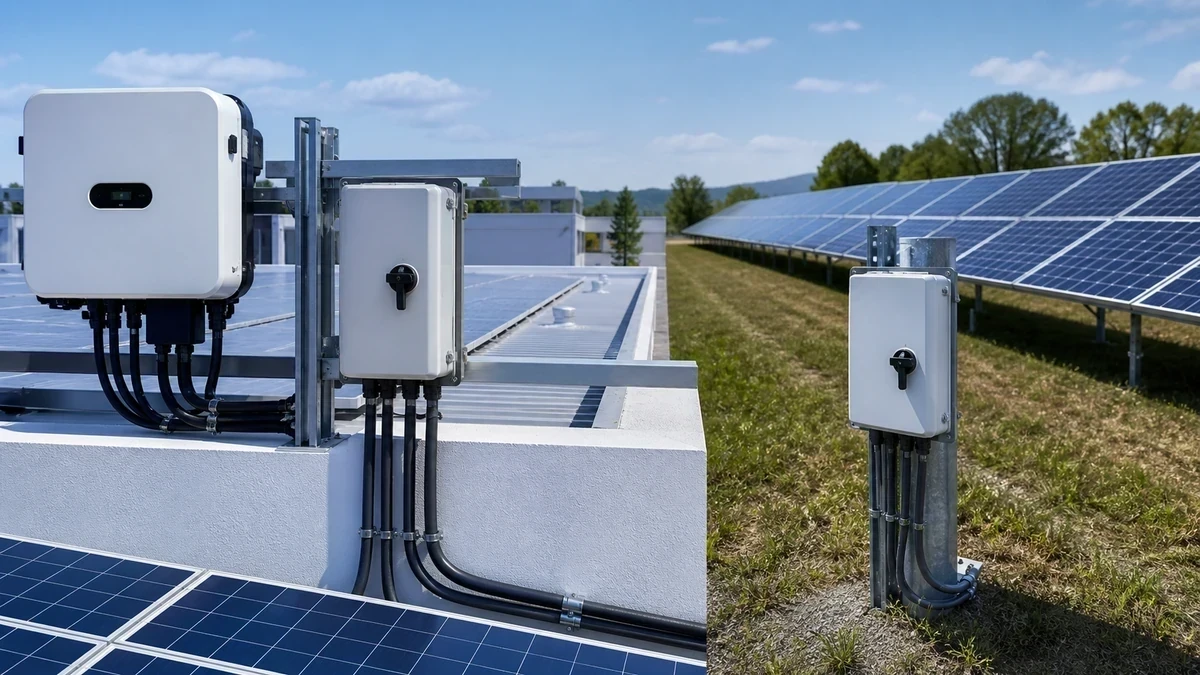
An exact drawing identifies the interfaces that must be controlled for the approved model route.
What this review must decide
The buyer must decide whether the existing isolator can be replaced by a documented equivalent route, or whether the surrounding assembly needs engineering review. A same-envelope product can still be unsuitable if the voltage, current, pole grouping, enclosure interface or required documentation does not match.
Decision point
If it matches
If it does not match
Maximum DC voltage and current
Continue model comparison
Re-check electrical design basis before quotation
Pole and string arrangement
Compare route drawings
Escalate to engineering review
Mounting and operator interface
Compare mechanical drawings
Check whether panel or enclosure redesign is needed
Cable entry and enclosure requirement
Confirm against product drawing
Define new enclosure or accessory requirement
Destination-market documents
Request current document package
Clarify approval or marking requirement before purchase
Non-energized buyer action list
Collect the existing isolator nameplate data and project drawings before asking for a replacement quote.
Photograph the enclosure, handle position, cable entry area and any identification labels for engineering comparison.
Define whether the request is for a like-for-like replacement route or for a redesign candidate.
Keep field changeout methods, isolation procedures and acceptance checks under the buyer’s qualified site process.
Evidence to collect from the existing isolator before any quotation match
The fastest commercial comparison starts with evidence from the installed unit and the project file. A procurement request that only says “same size DC isolator” leaves too many application-dependent variables open.
Nameplate and project records
Record the model, rating markings, pole count, wiring diagram reference, enclosure marking and any accessory references visible on the installed product. If the nameplate is damaged or unreadable, project drawings, combiner drawings or original purchase records become more important.
Useful records include:
Existing isolator model and full ordering code, if available.
Maximum PV DC voltage and current used in the project design.
Number of strings, poles and any series or parallel switching arrangement.
Enclosure type, mounting style and operator location.
Destination market and any required approval or marking evidence.
Required replacement documentation format for the buyer’s quality file.
Drawing evidence
The drawing review should confirm physical and functional fit before price comparison. Match the panel cutout, shaft or handle arrangement, enclosure footprint and cable-entry assumptions against the current product drawing for the candidate model.
Do not rely only on visual similarity. Similar handles or enclosures may correspond to different electrical ratings, internal configurations or documentation packages depending on exact model and ordering code.
Electrical match points: voltage, current, polarity and string arrangement
The replacement route must match the buyer’s electrical application requirements as documented for the existing array. Maximum DC voltage, current, utilization category references, pole arrangement and wiring method are model- and documentation-dependent.
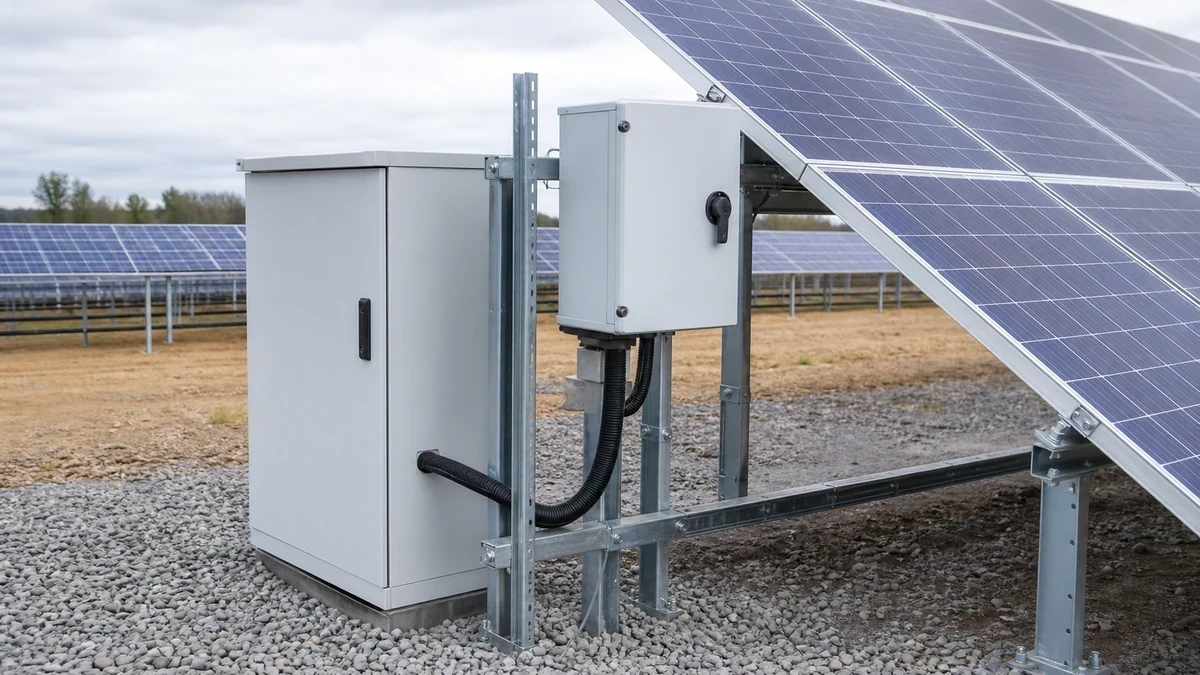
Sample review should connect the exact item to its current drawing and requested evidence package.
Voltage and current comparison
Compare the existing design requirement against the exact datasheet of the proposed model. Do not assume that a physical size, handle style or product family name confirms a rating.
Electrical item
What to confirm
Buyer risk if skipped
Maximum DC voltage
Project requirement versus exact model datasheet
Candidate may not cover the application voltage
Operating current
Array or string current versus model rating data
Product may be misapplied
DC polarity arrangement
How conductors are switched in the existing design
Wiring function may not match the original design
Utilization reference
Datasheet and certificate wording for the exact model
Documentation may not support the purchase file
Temperature or environment assumption
Buyer application versus datasheet limits
Rating basis may not align with site conditions
Pole and string arrangement
The pole arrangement is a core replacement decision. A candidate can have an acceptable enclosure size but still fail the comparison if the number of poles, series contacts or string routing differs from the original design.
For existing arrays, document whether the isolator is used for a single string, multiple strings, positive and negative conductor switching, or another approved project arrangement. Shieldhz can compare candidate routes only against the information provided and the current product documentation for that exact route.
Mechanical and environmental match points: enclosure, mounting and cable entry
A replacement candidate must physically match the enclosure and panel interface required by the buyer’s assembly. Mechanical fit is not only about external dimensions; it also includes handle access, mounting pattern, cable entry orientation and environmental exposure.
Installation conditions change the product-route and document questions a buyer must resolve.
Enclosure and environment
Check whether the existing isolator is installed in a standalone enclosure, inside a combiner or behind a panel with a separate operator. Environmental requirements such as indoor or outdoor use, exposure level and enclosure expectations must be confirmed against the exact product documentation.
Avoid assuming a particular IP class or environmental suitability from appearance. Enclosure claims, material details and markings are exact-model, drawing and certificate dependent.
Mounting and cable entry
Panel builders and OEMs should compare mounting holes, depth, handle location and cable entry direction before releasing a replacement part number. A small mechanical mismatch can create rework even when the electrical rating appears acceptable.
Practical mechanical checklist:
Confirm external dimensions and panel cutout from the current drawing.
Compare mounting method and operator position with the existing assembly.
Check cable entry direction and available bending space in the enclosure.
Verify whether accessories, glands or enclosure options are included or separately specified.
Confirm that any buyer drawing updates are completed before procurement release.
Operator, indication and access decisions for an existing panel or combiner
The operator must match the buyer’s intended access, indication and panel layout. Handle color, lockable features, shaft length, door coupling and visible position indication are exact-route or accessory-dependent and should be confirmed from the current drawing or datasheet.
Local operation versus panel-mounted operation
A replacement for a standalone enclosure may need a different operator arrangement than a panel-mounted assembly. The buyer should identify whether the existing design uses direct operation, external handle operation or another operator configuration before requesting a quote.
If the operator interface changes, the replacement is no longer only an isolator match. It may affect the enclosure door, labeling, operating clearance and buyer documentation.
Emergency-stop-style operators
Some buyers request red/yellow operator styling for visibility or company panel standards. Selecting an operator style does not validate a complete machine safety function, and it should not be treated as proof that an emergency-stop safety function has been designed or verified.
If the buyer has a machine safety requirement, that requirement must be handled through the buyer’s machine safety design and validation process. The isolator route can be reviewed as one component only, against its own documentation and ordering code.
Documentation and destination-market checks before procurement release
Procurement should confirm the required documents before selecting the replacement model. Datasheets, drawings, certificates, markings and declarations are dependent on the exact model, configuration, document revision and destination market.
Standards scope and evidence boundary
For product category language, IEC describes the IEC 60947-3 scope as switches, disconnectors, switch-disconnectors and fuse-combination units within stated distribution- and motor-circuit AC/DC limits. That scope statement should not be read as automatic approval for any specific replacement route.
The buyer should request the current document set for the candidate model and compare it with the project requirement. A document that supports one configuration or market may not answer another buyer’s approval file.
Destination-market approval or marking requirement.
Buyer application voltage, current and pole arrangement.
Any enclosure, accessory or operator option included in the quote.
Internal drawing or bill-of-material update status.
How Shieldhz confirms a PV DC isolator switch route
Shieldhz confirms a route by comparing the buyer’s stated application with current product documentation before quotation. Final suitability is confirmed against current product documentation and the buyer’s application.
Pre-quotation information Shieldhz needs
For a practical replacement review, provide the following inputs:
Application and destination market.
Maximum DC voltage and current.
String or pole arrangement.
Enclosure and environmental requirement.
Mounting and cable entry requirement.
Requested drawing, datasheet and certificate package.
Any approval or marking requirement.
Existing model, photo or project drawing if available.
What the buyer should expect back
The quotation discussion should identify the candidate route, required configuration, document package and open questions. If the information supplied is incomplete, Shieldhz may need the buyer to confirm electrical or mechanical details before a responsible route can be named.
This process helps separate a documentation-ready replacement from a redesign request. It also reduces the risk of ordering a part that looks similar but does not match the required application evidence.
Selecting a Shieldhz route for commercial comparison
Start with the product family and then narrow to an exact documented route. A commercial comparison should stay tied to current drawings, datasheets and any required certificate package for the selected model.
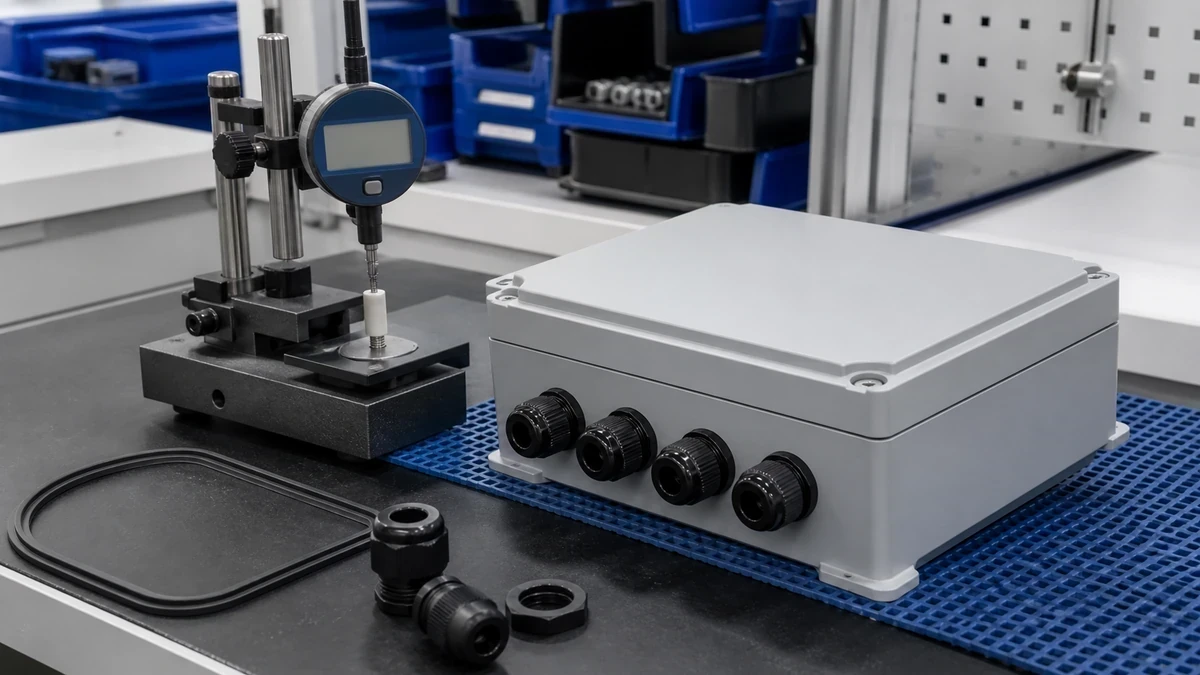
Documentation control, sample acceptance and protective packing are separate handover checks.
Exact model, destination market and buyer approval file
Quotation package with requested documents
When a route is not enough
A product route is not a substitute for application confirmation. If the existing isolator data is incomplete, or if the array design has changed, the buyer should treat the request as an engineering review rather than a simple replacement purchase.
In that case, the decision should be paused until voltage, current, pole arrangement, mounting and documentation requirements are known. This protects the buyer’s quality file and avoids mismatches between procurement and engineering intent.
Conclusion
A pv dc isolator replacement is a documentation-led decision before it is a purchasing decision. The replacement candidate must match the installed electrical function, pole arrangement, enclosure interface, operator requirement and destination-market documentation needs.
Shieldhz can support route confirmation when the buyer provides the application data, existing product evidence and required document package. Final selection should always be made against current product documentation and the buyer’s actual application.
Frequently Asked Questions
Is a PV DC isolator replacement always a like-for-like purchase?
No. It is like-for-like only if the exact electrical, mechanical, operator and documentation requirements match the candidate model. If any requirement is unclear or changed, treat the request as an engineering review.
What information should I send for a replacement quote?
Send the existing model code, nameplate photo, project drawing, maximum DC voltage and current, pole or string arrangement, enclosure details, mounting style, cable entry requirement and destination-market document needs.
Can I choose a replacement based only on the same enclosure size?
No. Enclosure size is only one part of the comparison. The rating data, pole arrangement, operator configuration, documentation package and application environment must also be checked.
Does selecting an operator create a validated emergency-stop function?
No. Operator selection alone does not validate a complete machine safety function. Any safety function must be designed and verified under the buyer’s machine safety process.
Who confirms final suitability for the existing solar array?
Final suitability is confirmed by comparing the current product documentation with the buyer’s actual application requirements. Shieldhz can support route and document confirmation, while the buyer controls the system-level application decision.
Does this article provide field installation instructions?
No. This article covers non-energized replacement review, specification comparison and documentation checks only. Field work, isolation procedures and installation methods must be handled by qualified parties under the buyer’s applicable site process.
Shi, Muxi
Shi, Muxi writes Shieldhz technical articles for industrial control and electrical component buyers, covering rotary cam switches, isolator switches, PV DC disconnects, push buttons, indicator lights, waterproof enclosures, and terminal blocks. The articles are based on Zhejiang Shihe Electric Co., Ltd.'s manufacturing and export experience, with practical emphasis on model selection, datasheets, drawings, certifications, IP ratings, and inquiry details buyers should confirm before ordering.